
PSV vs FC Porto: Gasiorowski Starts as Amrabat Questions Bosz’s Defensive Choice
PSV have made two changes to their starting lineup for Tuesday evening’s meeting with FC Porto, with Yarek Gasiorowski brought into defence in place of Armando Obispo. The selection has prompted debate among former players and pundits, particularly over how PSV will handle Porto striker Samu Aghehowa.
Head coach Peter Bosz has paired Gasiorowski with Lutsharel Geertruida in central defence. Nordin Amrabat, speaking to Ziggo Sport before kick-off, said he would have chosen Ryan Flamingo instead. His reasoning centred on the physical challenge posed by Aghehowa, who stands around 1.95 metres tall and is known for his strength.
Amrabat backs Flamingo for the physical test
Amrabat believes Flamingo’s qualities in one-on-one situations could have made him a useful option against Porto’s forward. “He’s incredibly strong in those moments,” he said, suggesting the defender might be better suited to competing directly with Aghehowa.
That does not mean Amrabat dismissed Gasiorowski’s potential. The Spanish defender’s performance, he noted, would need to be assessed in the context of the match itself. Starting against a powerful striker presents an immediate test, but it also gives Gasiorowski an opportunity to demonstrate his composure, positioning and ability to deal with physical pressure at a high level.
The choice reflects a familiar challenge for coaches preparing for European football: selecting a defender who can match an opponent physically while also fitting the team’s broader tactical plan. A centre-back’s job is not limited to winning aerial duels. Timing, communication with a partner and the ability to protect space behind the defensive line can be just as important, especially when facing a forward who can hold up the ball and bring teammates into play.
Gullit raises concerns about Flamingo’s confidence
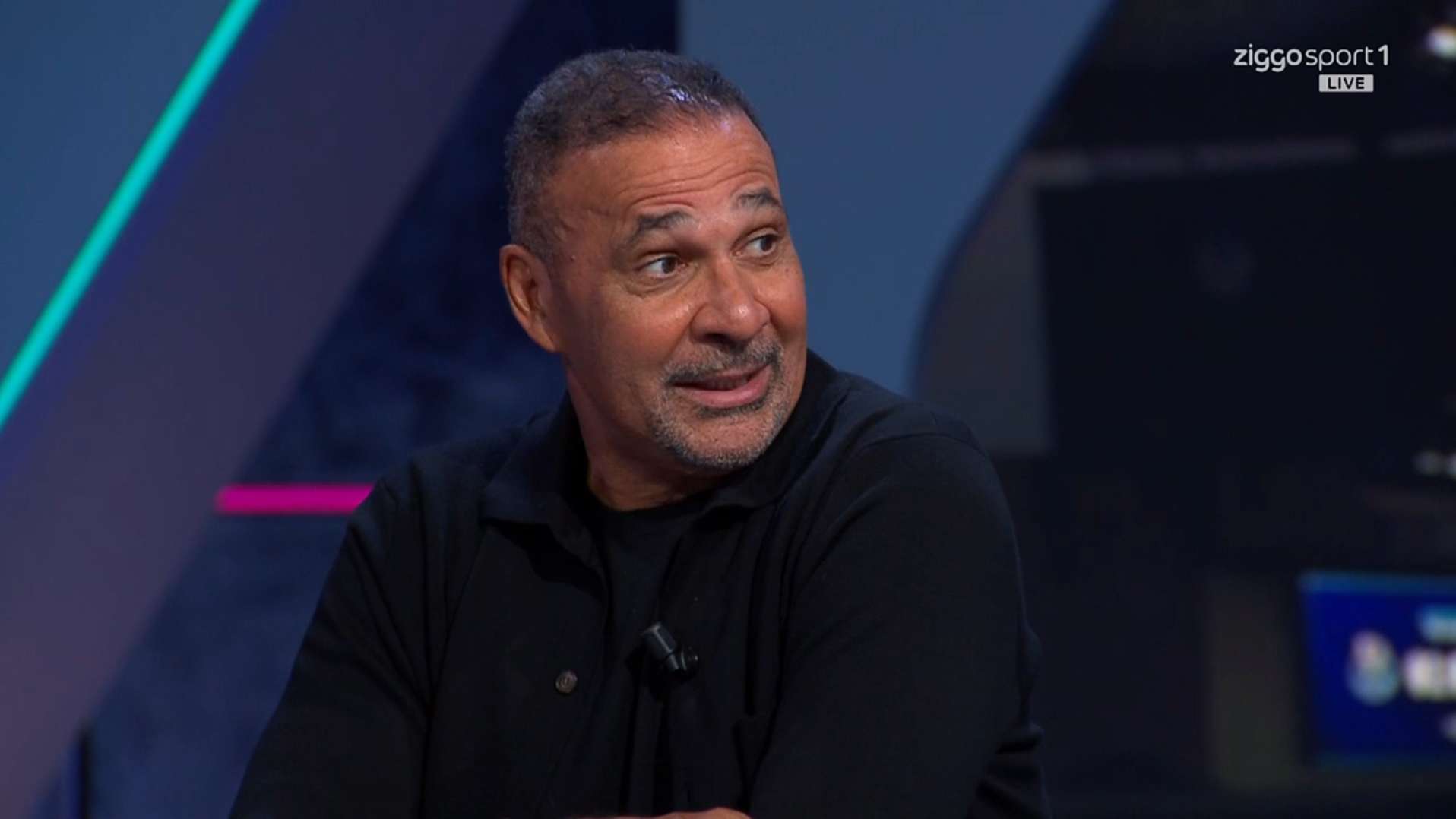
Ruud Gullit agreed that Flamingo may be stronger in direct duels, but he also expressed reservations about the defender’s work on the ball. Gullit said Flamingo can make him nervous in possession and suggested that greater confidence would help him make calmer decisions under pressure.
That observation highlights the balance Bosz must consider. PSV’s central defenders are expected not only to defend their penalty area but also to contribute to building attacks from the back. Against a team like Porto, whose forwards may press aggressively, a defender’s first touch and passing choices can influence whether PSV escape pressure or invite it.
Gasiorowski’s inclusion may therefore point to more than a simple attempt to counter Aghehowa’s size. Bosz could be looking for a particular combination of defensive qualities and ball progression, with Geertruida alongside him offering another option in possession. How well the pair communicate will be important, especially if Porto vary their approach between direct passes into the striker and quicker attacks into the channels.
PSV’s tactical challenge: possession, counters and penalty-area support
Gullit suggested PSV may look to keep the ball and use that possession to create counter-attacking opportunities. The approach could help the Dutch side control the rhythm of the game, but possession alone will not be enough. PSV will need to move forward with purpose and ensure their attackers arrive in the penalty area at the right time.
Gullit identified that final detail as a concern. In his view, PSV have sometimes struggled to get enough players into dangerous positions when attacks develop. That issue could become more pronounced with three strikers unavailable, limiting the options Bosz can call upon and potentially affecting the team’s ability to stretch Porto’s defence.
Without their full complement of forwards, PSV may need contributions from midfielders and wide players to provide additional support around the box. Late runs, quick combinations and well-timed deliveries could be essential if the home side want to turn possession into clear chances. Otherwise, they risk controlling parts of the match without creating enough pressure on Porto’s goalkeeper.
Porto’s defensive organisation will also shape PSV’s prospects. If the visitors keep a compact line and prevent PSV from finding space between the midfield and defence, the hosts may have to attack through the flanks or rely on transitions. In that scenario, the timing of PSV’s forward movement becomes crucial: players must be ready to support the ball carrier without leaving the team exposed to a counter-attack.
What to watch in the match
Several individual and tactical battles could determine the outcome. The first is the contest between Gasiorowski and Aghehowa. The PSV defender will need to judge when to challenge, when to hold his position and how to prevent the striker from turning toward goal. Geertruida’s cover and the midfield’s defensive support could be just as significant as the duel itself.
The second key factor is PSV’s composure in possession. Gullit’s concerns about Flamingo underline how quickly mistakes at the back can become dangerous in a high-pressure European fixture. Although Flamingo is not starting, PSV’s defenders will still be expected to make clean decisions when Porto press. A misplaced pass could hand the visitors an opportunity to attack before the home defence is set.
Finally, PSV’s ability to get numbers into the penalty area may decide whether their possession produces a meaningful threat. With attacking absences reducing Bosz’s options, the team may need a more collective contribution in the final third rather than relying on one striker to create and finish chances alone.
PSV vs Porto prediction: a demanding test for Bosz’s selection
Any football prediction for this fixture must account for both PSV’s attacking limitations and the uncertainty surrounding their defensive pairing. Gasiorowski’s start gives Bosz a fresh option, while Amrabat’s preference for Flamingo shows that the decision is not without risk. Gullit’s comments add another layer, highlighting the importance of confidence and ball security in a match where Porto could punish errors.
PSV’s best route may be to combine patient possession with sharper forward runs, rather than allowing control of the ball to become an end in itself. If the home side can support their attacks quickly and protect the space around their centre-backs, they will have a stronger chance of turning the tactical plan into a result. The match will offer an early verdict on Bosz’s defensive choice—and on whether PSV can compensate for their missing strikers through collective movement and disciplined execution.