
Feyenoord’s Transfer Dilemma: The Future of Anis Hadj Moussa and the Role of Technical Director Dévy Rigaux
In recent weeks, the football world has been abuzz with speculation surrounding Feyenoord’s potential transfer moves, particularly involving their talented winger, Anis Hadj Moussa. At the heart of this discussion is the uncertainty about the club’s stance on selling their star player amid lucrative offers from abroad. Meanwhile, questions about the club’s overall transfer strategy and the effectiveness of their technical leadership have come to the forefront. This article delves into the latest developments, analyzing the prediction of future moves, the role of Feyenoord’s technical director Dévy Rigaux, and what this means for the club’s ambitions in both domestic and international football.
Analyzing the Current Situation: Feyenoord’s Transfer Predicaments
Hadj Moussa’s Potential Move to Saudi Arabia
One of the most talked-about transfer rumors involves Anis Hadj Moussa, the Algerian international winger known for his agility, technical skill, and goal-scoring ability. According to reports, the Saudi Arabian club Ittihad is prepared to make a record-breaking bid of €37.5 million to acquire the talented winger. The offer is not only financially tempting but also signals Saudi Arabia’s growing influence in the football transfer market, as clubs from the Middle East continue to lure top talent with eye-watering salaries.
Hadj Moussa’s personal interest in the move appears to align with the financial incentives. Sources close to the player suggest he is inclined toward accepting a lucrative five-year contract worth €50 million, which would see him earning around €10 million annually—an extraordinary sum in the context of European football. Such figures are reshaping the landscape of player transfers, raising the question of whether Feyenoord will hold firm or consider the financial windfall.
Feyenoord’s Contractual Stance and Strategic Considerations
Despite the significant bid, Feyenoord’s position remains cautious. The club still holds Hadj Moussa under contract until mid-2030, giving them substantial leverage. However, the timing of the transfer window complicates matters: while Saudi Arabia’s transfer deadline extends until September 6, the Dutch window has already closed, limiting Feyenoord’s immediate options to replace the player if he departs.
From a strategic perspective, Feyenoord’s management faces a delicate balancing act. On one hand, the financial boost from a record fee could bolster the club’s budget for future signings or infrastructure investments. On the other, losing a key player like Hadj Moussa could impact their competitive edge in the Eredivisie and European competitions. The club’s decision will likely hinge on whether they believe they can find a suitable replacement, especially considering the current transfer window restrictions.
The Role of Dévy Rigaux: Leadership and Controversies
Assessing the Performance of Feyenoord’s Technical Director
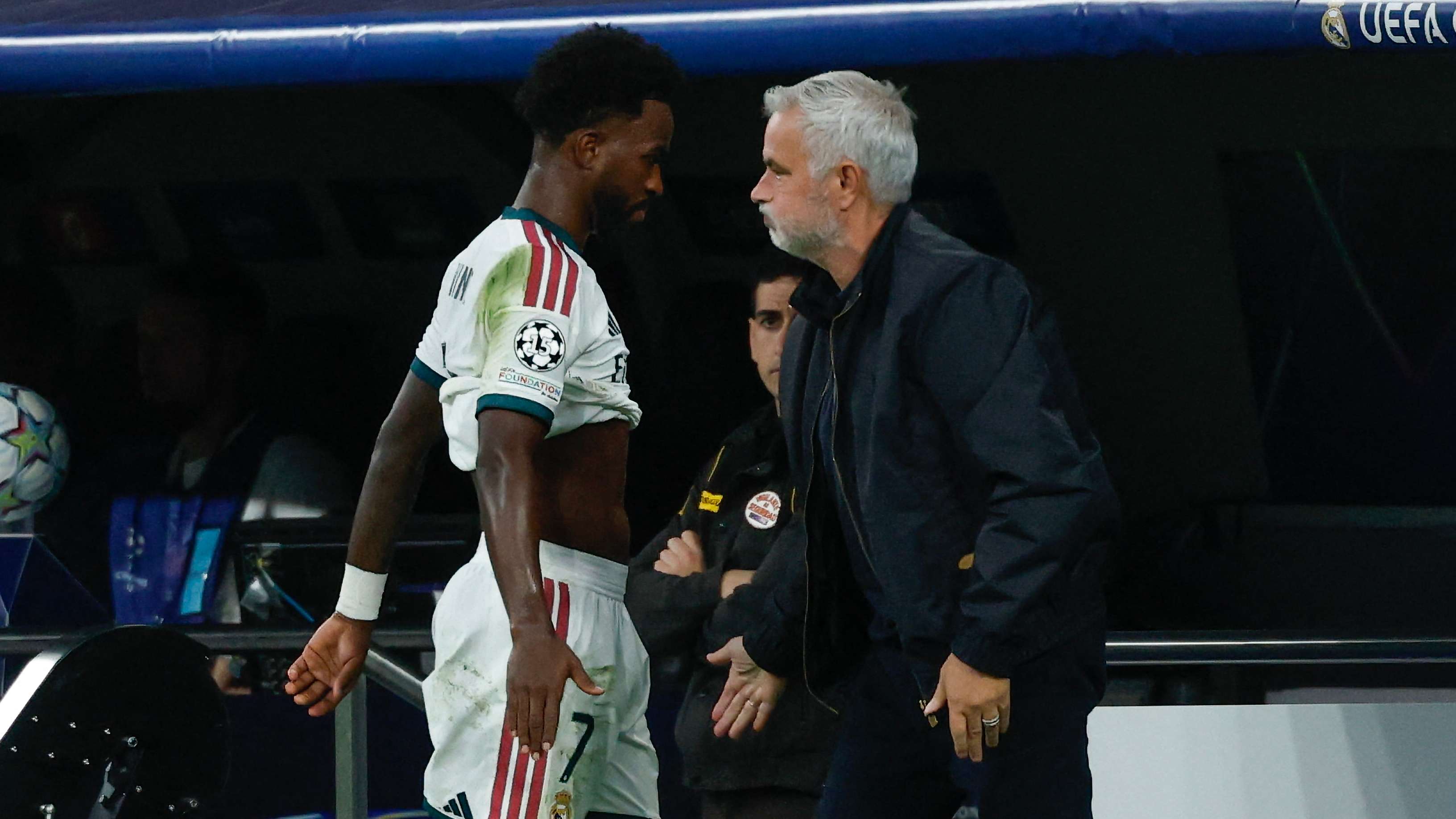
Amid these transfer rumors, criticism has emerged regarding Dévy Rigaux, Feyenoord’s technical director, who has yet to fully convince fans and insiders with his handling of player negotiations. In a recent episode of the Kick-off podcast by De Telegraaf, football analyst Valentijn Driessen questioned Rigaux’s approach, particularly in the context of the Hadj Moussa saga.
According to Driessen, Rigaux’s management of the situation has been underwhelming. When asked about Hadj Moussa’s personal stance on the potential move, Rigaux reportedly admitted he had not spoken directly to the player. Instead, Rigaux claimed that clubs are not allowed to contact Hadj Moussa directly due to contractual restrictions, dismissing the importance of dialogue in negotiations. Driessen finds this stance troubling, emphasizing that communication is vital—especially when a player’s future is at stake.
Implications for Club Leadership and Transfer Strategy
This controversy raises broader questions about Rigaux’s effectiveness as a technical director. Critics argue that his reluctance or inability to engage directly with players and their representatives could hinder Feyenoord’s ability to negotiate effectively. Transparency, negotiation skills, and proactive communication are essential qualities for leadership, especially when managing high-stakes transfer scenarios.
Moreover, Driessen’s comments highlight a disconnect that could have long-term implications for Feyenoord’s transfer strategy. If Rigaux’s approach remains ineffective or out of touch, the club risks losing top talent not only to lucrative offers but also to clubs that can negotiate more convincingly. This situation underscores the importance of having a dynamic, communicative leadership team capable of navigating the complex landscape of international football transfers.
Insights and Future Predictions for Feyenoord
What’s Next for Hadj Moussa and Feyenoord?
Sources close to the player suggest that Hadj Moussa has already made up his mind to pursue the move to Saudi Arabia, citing previously agreed terms and the attractiveness of the lucrative deal. If this is accurate, Feyenoord’s options become limited. The club may be forced to accept the bid or risk losing the player without compensation, which could impact their squad for the upcoming season.
However, the club’s stance remains somewhat cautious. While they recognize the financial opportunity, Feyenoord is unlikely to rush into a sale unless they find a suitable replacement or decide to sell for strategic reasons. The club’s long-term vision appears to prioritize maintaining their competitive edge in the Eredivisie and European competitions, which could influence their decision-making process.
Potential Impact on Football Prediction and Club Strategy
This transfer saga exemplifies the changing dynamics of football prediction, where financial considerations often overshadow sporting ambitions. As Middle Eastern clubs continue to invest heavily, European clubs like Feyenoord must adapt their transfer strategies, balancing short-term financial gains with long-term sporting success.
For fans and analysts, this situation offers a case study in how football prediction models are evolving. Traditional forecasts based solely on team performance now incorporate financial variables and transfer trends. The Hadj Moussa transfer could serve as a benchmark for future predictions, reflecting the increasing influence of globalized football markets.
Conclusion: Navigating Uncertainty in Football Transfers
The saga surrounding Anis Hadj Moussa’s potential move from Feyenoord to Saudi Arabia underscores the complexities faced by modern football clubs. Leadership decisions, communication strategies, and global market trends are all intertwined in shaping the future of the club. As the transfer deadline looms and negotiations unfold, Feyenoord’s ability to adapt and make strategic choices will be closely watched by fans, analysts, and industry insiders alike.
Ultimately, this situation exemplifies the evolving landscape of football prediction, where economic powerhouses are reshaping the transfer market. For Feyenoord, the challenge will be to navigate these turbulent waters without compromising their sporting ambitions, all while managing the expectations of their supporters and stakeholders. The coming days will be critical in determining whether the club can secure their future success or face the consequences of losing a key player to the rapidly expanding football markets of the Middle East.