
Reece James Undergoes Knee Surgery as Chelsea Captain Faces Another Injury Setback
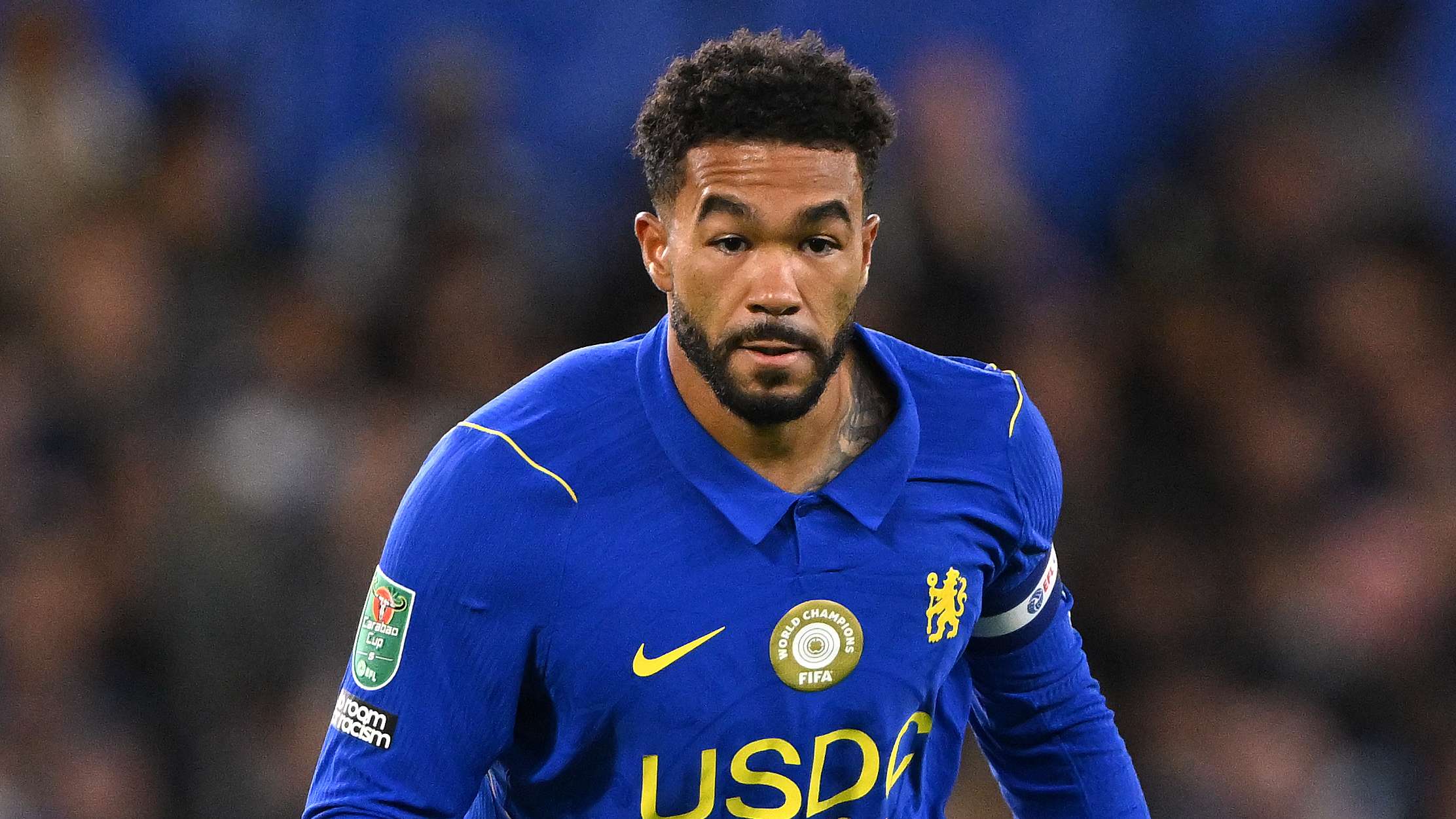
Chelsea captain Reece James has undergone surgery to address a knee problem, adding another interruption to a season that has already tested his fitness. The club confirmed the procedure after the England international missed Chelsea’s recent Premier League victory over Bournemouth, having picked up the issue during a training session at Cobham.
The latest setback is a concern for Chelsea because James is more than a dependable defender: he is the club captain and one of the squad’s most influential players. His recovery will now become a major talking point for supporters, while the coaching staff must plan for the coming fixtures without knowing exactly when their captain will be available again.
Training-ground injury leads to surgery
James sustained the knee problem at Chelsea’s training base, ruling him out of the Bournemouth match. The club subsequently confirmed that he had undergone surgery, but has not provided a definitive timetable for his return. That means any forecast about his availability should be treated with caution until Chelsea release further medical updates or he resumes full training.
Knee injuries can vary considerably in severity and recovery time. The type of procedure, the player’s response to rehabilitation and the demands of returning to competitive football all influence the schedule. For a player who relies on acceleration, sharp changes of direction and repeated high-intensity runs, a careful, staged comeback is especially important.
Supporters will naturally want to know whether James could return in time for a particular match or stretch of the campaign. At this stage, however, a firm prediction would be premature. Chelsea’s priority is likely to ensure that he is fully fit before he is asked to handle the physical demands of Premier League competition.
A familiar challenge for Chelsea’s captain
The operation is another difficult moment in James’s ongoing effort to put persistent fitness problems behind him. In recent years, the defender has endured repeated spells on the sidelines, preventing him from building the uninterrupted run of appearances that elite players need to establish rhythm and consistency.
That history makes the latest news particularly frustrating. James is widely regarded as one of Chelsea’s most gifted homegrown players, combining defensive strength with the technique and delivery to influence attacks. When available, he can provide width from right-back, overlap with wide forwards and create chances with dangerous crosses. His ability to contribute at both ends gives Chelsea a different dimension.
Yet his importance also makes managing his workload essential. Returning too quickly from a knee procedure could risk further disruption, while a gradual rehabilitation programme may help him regain confidence and match sharpness. Chelsea will need to balance the desire to have their captain back with the longer-term value of protecting his health.
How James’s absence could affect Chelsea
James’s injury creates a tactical question for Chelsea. His replacement must not only defend the right flank but also help the team progress the ball and provide attacking support. Depending on the manager’s preferred system and the options available, Chelsea could use a specialist right-back, adjust the shape of the back line or ask another defender to cover the role.
Those alternatives can keep the side functioning, but they may not reproduce everything James offers. His strength in one-on-one situations, passing range and capacity to deliver from advanced positions make him a distinctive presence. His absence could therefore influence how Chelsea build attacks, particularly against opponents who defend deep and leave little room through the middle.
It may also place extra responsibility on the players around him. Chelsea’s right-sided attackers could be asked to provide more width, while midfielders may need to offer additional support in possession and during defensive transitions. The team’s ability to adapt will be important as it navigates a demanding Premier League schedule.
Why a cautious return matters
For James, the immediate focus will be rehabilitation rather than a specific return date. A successful comeback involves more than healing from surgery: players must rebuild strength, restore mobility and gradually increase their training load. They also need time to regain the confidence required to sprint, tackle and change direction without hesitation.
That process can be especially significant for a full-back, whose role often involves repeated bursts up and down the pitch. Chelsea’s medical and performance staff will be monitoring his progress closely, with the aim of reducing the chance of another setback. A carefully managed return may mean missing additional matches in the short term, but it could be the wiser approach over the course of the season.
James’s situation also highlights a broader challenge for clubs competing at the highest level: maintaining the availability of players who carry heavy physical workloads. Modern football demands constant movement, and full-backs are often expected to defend wide areas, press aggressively and contribute to attacks. For a player with a history of injuries, workload management can be as important as treatment itself.
What Chelsea fans can expect next
For now, Chelsea supporters will be watching for updates on James’s rehabilitation and the club’s assessment of his progress. Until more information is released, there is no reliable basis for predicting the exact date of his return. The most useful indicators will be whether he begins individual work, joins parts of team training and eventually completes full sessions without discomfort.
In the meantime, Chelsea must find consistency without their captain. His leadership remains valuable even when he is unavailable to play, but the team will need others to take responsibility on the pitch. The Bournemouth win offered a positive result, yet maintaining that momentum across future fixtures will be a separate test.
James’s latest knee surgery is undeniably a setback for both player and club. Still, the priority is clear: give the Chelsea captain the time and support needed to recover properly. If his rehabilitation progresses well, his return could provide a significant boost to the Blues’ defensive options and attacking threat. Until then, any football prediction about his comeback should remain tentative, with his health taking precedence over the calendar.