
Javier Tebas Faces Resignation Calls After Goebbels Comparison Sparks Football Storm
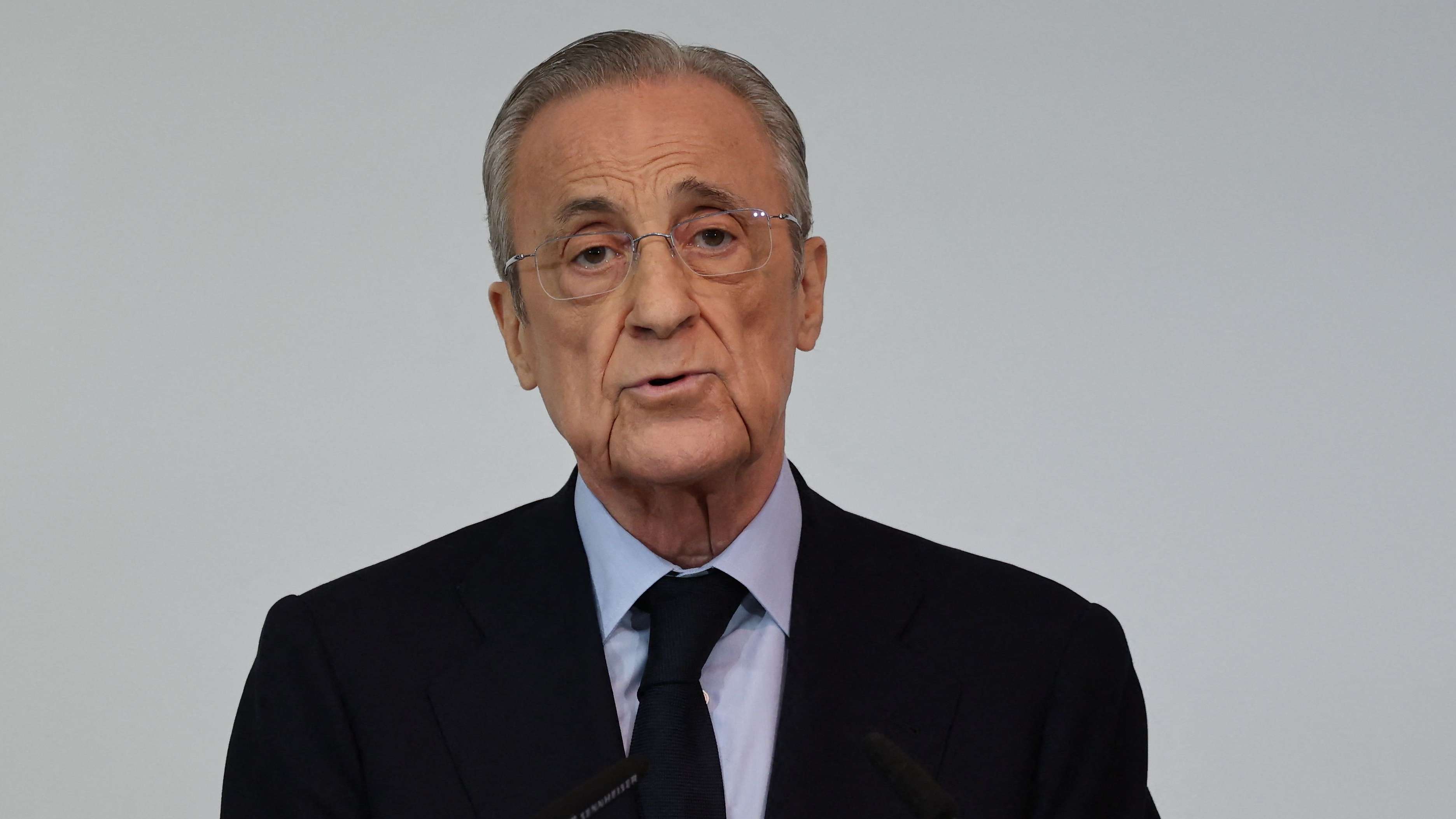
Javier Tebas is facing mounting pressure after remarks comparing Real Madrid’s communications strategy to propaganda associated with Joseph Goebbels, the Nazi regime’s propaganda minister. The comments have provoked a fierce response from the Spanish club and attracted widespread attention across international football media, turning a long-running dispute into one of the most contentious controversies in European football.
Real Madrid has called for Tebas to resign as president of La Liga. The dispute has also reignited debate about the responsibilities of senior football officials, the influence of club media, and how historical references should be used in public arguments. While the conflict between Tebas and Real Madrid has been building for years, the comparison has sharply raised the stakes.
What Tebas Said—and Why the Reaction Has Been So Strong
Tebas criticised the way Real Madrid communicates about refereeing and the credibility of Spanish football’s officiating. In doing so, he likened the club’s approach to propaganda methods used by Goebbels. The language immediately drew condemnation because of the atrocities and suffering associated with Nazi Germany, making the comparison far more explosive than an ordinary exchange between a league executive and a club.
Real Madrid’s response was swift. The club argued that Tebas’s comments were unacceptable and demanded his immediate departure. Its position was widely reported, with outlets across Europe describing the episode as a serious escalation in the relationship between La Liga’s leadership and one of its most prominent members.
The controversy is not happening in isolation. Real Madrid and Tebas have repeatedly clashed over the league’s leadership, the club’s public criticism of referees, and the role of Real Madrid TV. Those disagreements have created a tense backdrop in which each new statement is likely to be interpreted as part of a broader institutional conflict.
European Media Condemnation Adds to the Pressure
Some of the strongest criticism came from Germany. Kicker published a sharply worded response by Thomas Boker, who described the comparison as an insult to victims and argued that Tebas should resign. The magazine’s reaction reflected the particular sensitivity of Nazi-era references in Germany, where public discussion of the period is shaped by a profound awareness of its historical consequences.
Other major outlets also highlighted the gravity of the dispute. France’s L’Équipe reported Real Madrid’s demand for Tebas’s resignation, focusing on his comparison between the club’s media operation and Nazi propaganda. Italy’s La Gazzetta dello Sport framed the episode as a heated confrontation within La Liga, while Switzerland’s Blick criticised Tebas for abandoning the diplomatic tone expected of a leader of one of Europe’s leading competitions.
Coverage in the United Kingdom and elsewhere has likewise centred on the wording and its consequences. The Guardian described Tebas’s social-media post as an attack on Real Madrid’s efforts to challenge the credibility of referees. The BBC, Reuters, ESPN and Goal reported the club’s demand that he leave his position, while Argentina’s Olé presented the incident as the peak of a dispute marked by years of criticism and counter-criticism.
A Long-Running Football Dispute Reaches a New Level
At the heart of the disagreement is a larger question about how football institutions should handle public criticism. Real Madrid has used its media platforms to challenge decisions and express concerns about refereeing, while Tebas has argued that such messaging can damage confidence in the competition. Clubs have the right to voice concerns, but league officials also have a responsibility to protect the credibility of the tournament they oversee.
That tension is familiar across modern football. Club-owned channels allow teams to communicate directly with supporters and shape their own narratives, bypassing traditional media. At the same time, repeated criticism of officials can intensify pressure on referees and deepen mistrust among fans. The challenge for league leaders is to address those concerns without using language that distracts from the underlying issue or inflames an already divided audience.
The latest episode may also affect La Liga’s public image beyond Spain. International broadcasters, sponsors and supporters follow the competition as a global product, and leadership controversies can compete with football itself for attention. The immediate question is whether the uproar will lead to a formal institutional response, a public clarification, or further escalation between Tebas and Real Madrid.
What Happens Next? The Prediction for La Liga
For now, resignation calls do not automatically mean Tebas will leave his post. Any change would depend on the relevant governance processes and the level of support he retains among the league’s stakeholders. The public backlash, however, has made the issue difficult to contain. Even if he remains in office, the controversy is likely to increase scrutiny of his future statements and his relationship with Real Madrid.
A possible next step could be an attempt to shift the discussion back toward refereeing standards and the limits of club media. That would require both sides to separate substantive concerns from personal confrontation. Real Madrid is likely to continue pressing its case, while La Liga may seek to defend the authority of its president and the integrity of its competition.
The prediction is that the dispute will remain a major talking point in Spanish football, particularly around upcoming fixtures and any further public comments from either side. The controversy has already travelled well beyond Spain, and its impact will depend on whether the parties choose to de-escalate or continue trading accusations.
A Test of Leadership and Restraint
Tebas’s comments have placed the focus not only on his criticism of Real Madrid, but also on the judgment expected of a senior football administrator. The club’s demand for his resignation has received extensive international coverage, while the response from outlets such as Kicker has underlined the seriousness with which the comparison has been received.
Whether the episode changes the leadership of La Liga remains uncertain. What is clear is that the argument has become bigger than a routine dispute over refereeing or communications. It is now a test of how football’s most powerful institutions handle conflict, historical sensitivity and public accountability—while trying to keep the attention where supporters ultimately want it: on the game.