
Raúl González’s Real Oviedo Appointment: The Advice That Convinced the Club
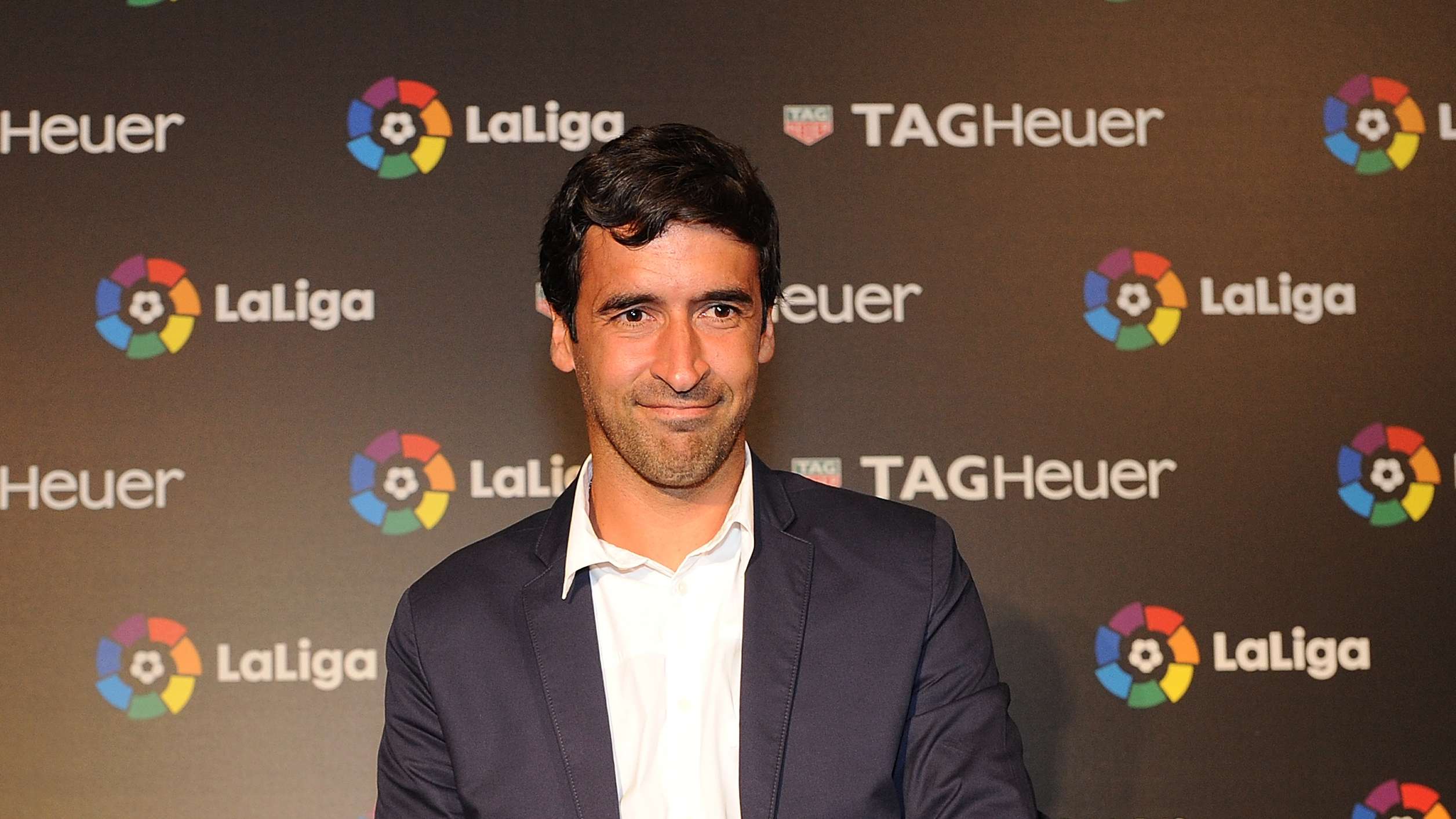
Raúl González’s arrival as Real Oviedo manager was more than a routine coaching change. The former Real Madrid captain is one of the most recognizable figures in Spanish football, and his move to a club competing in the second division immediately drew attention well beyond Asturias. Now, Oviedo president Martín Peláez has explained why the club chose Raúl—and how a blunt recommendation from within Real Madrid’s orbit helped convince the board to act.
Speaking to Marca during the Football Hall of Fame ceremony in Pachuca, Mexico, Peláez described the appointment as the start of an ambitious new chapter. Pachuca is home to the group that owns Real Oviedo, making the ceremony a fitting setting to discuss the club’s plans. The president also acknowledged the contribution of the previous coaching staff, led by Julián Calero, while explaining that the board believed the team needed a different direction.
Why Real Oviedo chose Raúl
Peláez said the club was looking for a coach whose football philosophy matched its own ambitions: an assertive side that plays attractive football, takes the initiative and approaches matches with the intention of winning. In the board’s view, Raúl’s ideas and character made him a strong candidate to lead that transformation.
The decision was not based solely on his celebrated playing career. Raúl’s reputation as a Real Madrid icon gave him instant visibility, but Oviedo also considered his work as a coach and the qualities he could bring to the dressing room. Peláez pointed to the manager’s personality and what he represents, suggesting that his influence could help create a positive atmosphere around the squad and the wider club.
That distinction matters. A famous name can generate headlines, but results in the Segunda División depend on much more than reputation. Oviedo will need to turn the attention surrounding Raúl into consistent performances, tactical discipline and points. The appointment therefore carries both opportunity and pressure: the club gains a coach capable of attracting interest, while Raúl faces the challenge of proving his methods in a demanding league.
Experience at Real Madrid Castilla strengthened the case
Sporting director David Hernández had direct knowledge of Raúl’s work with Real Madrid Castilla, the club’s reserve team. That familiarity gave Oviedo’s decision-makers a closer view of his coaching rather than requiring them to judge him only by his status as a former player.
Raúl’s time in the Madrid development system also offered a relevant test of his ability to manage young footballers, build a team and work within a high-expectation environment. Those experiences do not guarantee success at Oviedo, where the squad, objectives and pressure are different, but they formed part of the evidence considered by the club.
Peláez said the board had also been speaking with people connected to Real Madrid. Their opinions varied, but one recommendation stood out. The message, as he recalled it, was unequivocal: “Do not hesitate. This does not require thinking—Raúl is the coach you are looking for.”
A bold decision during the season
Changing coaches while a campaign is underway is rarely straightforward. It can disrupt routines, unsettle players and leave little time for a new manager to introduce his ideas. Peláez said the board made the change because it did not believe the team was playing in the way it wanted. The objective was not simply to replace one coach with another, but to make Oviedo look and compete differently.
That makes the early stages of Raúl’s tenure especially important. Supporters will be watching for signs of the attacking, proactive football the president described, while the club’s leadership will be looking for improvements that translate into results. In a tightly contested second division, a promising style must be matched by consistency, defensive balance and the ability to handle pressure away from home.
For Raúl, the move also represents a significant step in his coaching career. He is entering a club with a loyal following and clear ambitions, but one where expectations can rise quickly because of his name. The challenge is to make the story about more than the arrival of a Madrid legend—to establish a team identity and deliver progress on the pitch.
Media attention exceeded expectations
Oviedo knew that signing Raúl would attract interest across Spain. Peláez admitted, however, that the club did not fully appreciate the scale of the attention until the manager’s first day. The president illustrated the impact with a striking comparison: Laura, who leads the club’s communications department, typically sent him a daily press report of around 15 to 25 pages. The report covering Raúl’s first day reached 139 pages.
The figure captures the unusual reach of the appointment. Raúl’s career at Real Madrid made him a household name, and his move to Oviedo brought national media focus to a club competing outside Spain’s top flight. That visibility can benefit the club by raising its profile, attracting new interest and placing its ambitions in the spotlight. It can also intensify scrutiny whenever performances fall short of expectations.
For Oviedo, the task now is to make that attention count. The club has chosen a manager whose footballing identity, public profile and connection to the game align with its hopes for a more ambitious side. Whether the gamble succeeds will be decided not by headlines or past achievements, but by the performances Raúl’s team produces over the season.
What to watch next
The key question for supporters is whether Oviedo can show the change Peláez promised: more initiative, stronger attacking intent and a clearer route to winning matches. Raúl’s reputation has made the appointment one of the most talked-about coaching moves in Spanish football, but the real measure will be the team’s development and its position in the Segunda División standings.
As the campaign continues, every result will shape the early judgment of the decision. The board has made its choice with confidence, backed by advice from people familiar with Raúl’s work. Now the prediction—and the expectation—is that the former Madrid captain can turn that confidence into a competitive, recognizable Real Oviedo side.