
Real Madrid Edge Villarreal in Tense Bernabeu Football Battle
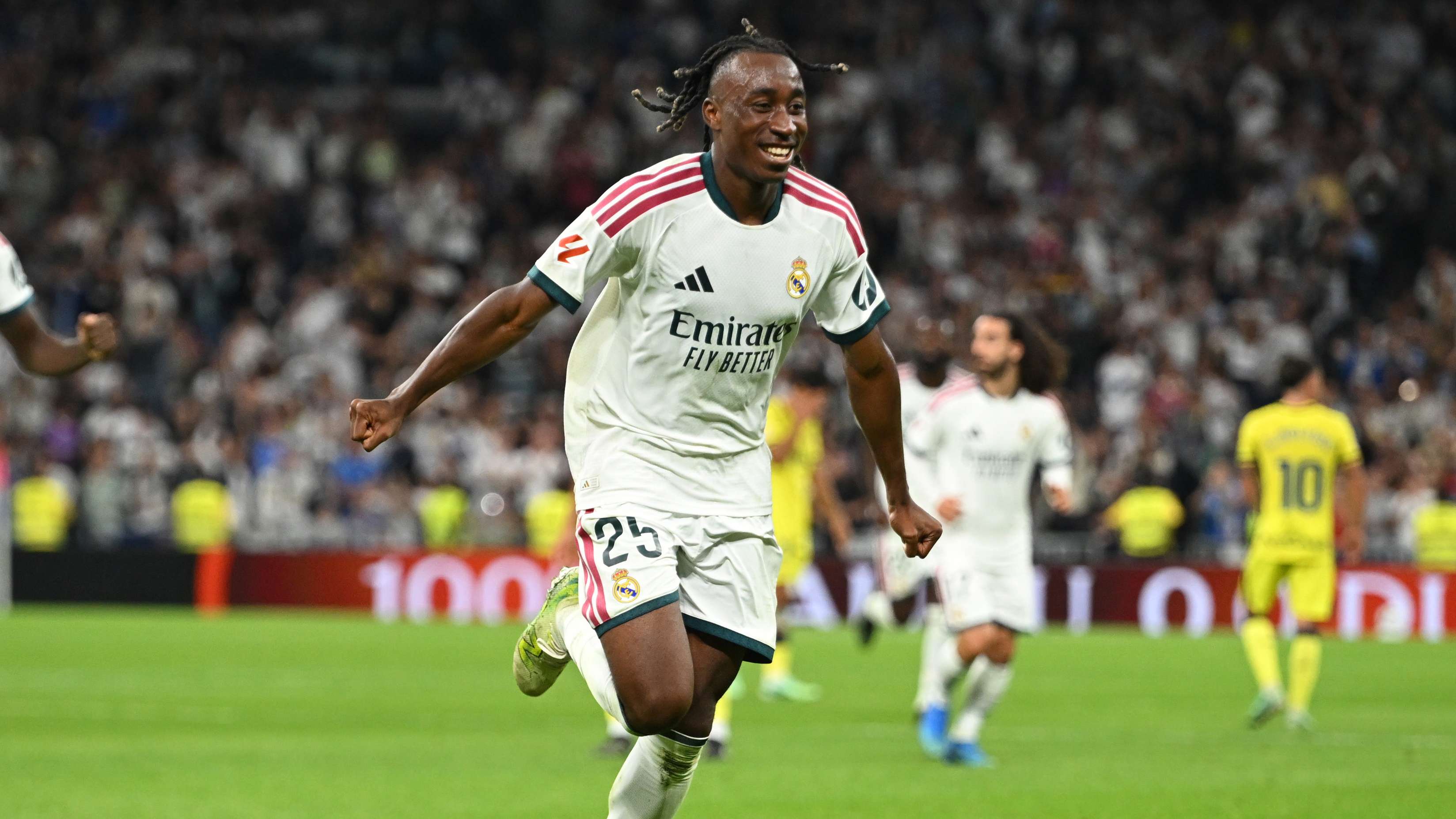
Real Madrid claimed a hard-fought 1-0 victory over Villarreal at the Estadio Bernabeu, surviving a dramatic late spell after Vinicius Junior was sent off. Yan Diomande’s second-half goal proved decisive in a tightly contested football match, giving Jose Mourinho’s side three important points and a result built as much on defensive discipline as attacking quality.
The contest offered few clear openings for long stretches, with Villarreal organised and difficult to break down. Madrid enjoyed periods of control but struggled to turn possession into consistent pressure. Once Diomande found the net, the match changed sharply: Vinicius’s dismissal left the hosts with ten players and forced them to protect their advantage under mounting pressure.
A cautious first half at the Bernabeu
The opening 45 minutes were defined by careful positioning and compact defensive lines. Villarreal, often known as the Yellow Submarine, limited the space available between midfield and defence, making it difficult for Madrid’s forwards to receive the ball in dangerous areas. The visitors were content to stay organised, frustrate the home side and look for opportunities to counter.
Madrid had 47% of possession, but the figure alone did not reflect the difficulty of the task. The hosts saw enough of the ball to try to dictate the tempo, yet Villarreal’s disciplined shape prevented them from creating a steady flow of clear chances. Passes into the final third were frequently crowded out, while promising attacks lost momentum before they could become genuine scoring opportunities.
Villarreal also had to balance defensive caution with the need to threaten going forward. Their approach kept the score level, but it meant the first half produced little sustained attacking pressure from either team. At the interval, the 0-0 scoreline was a fair reflection of a tactical stalemate in which structure and patience outweighed risk-taking.
Diomande breaks the deadlock
The breakthrough arrived in the 62nd minute. Diomande capitalised on a lapse in Villarreal’s concentration, found the space he needed and fired home to put Real Madrid ahead. It was a crucial moment in a match where chances had been scarce, and the goal rewarded the hosts for continuing to search for an opening after a frustrating first half.
For Villarreal, conceding changed the calculation. The visitors could no longer rely solely on their defensive block and had to look for a way back into the game. That created the prospect of more space for Madrid to exploit, but it also increased the pressure on the home side to manage the lead without losing its shape.
Diomande’s finish ultimately separated the teams, but the goal did not bring calm. Instead, the match grew more unpredictable as both sides adjusted to the changing circumstances. Madrid had a narrow advantage to defend, while Villarreal had a reason to commit more players forward.
Vinicius red card transforms the contest
The defining twist came in the 72nd minute, when Vinicius Junior received a straight red card. His dismissal left Madrid with ten men for the closing stages and transformed the home side’s priorities. Rather than focus on extending the lead, Mourinho’s players were forced to protect it against a Villarreal team encouraged by its numerical advantage.
Playing with one fewer player can expose gaps across the pitch, particularly when the opposition begins to push forward. Madrid responded by tightening its defensive shape, working harder to close passing lanes and limiting the space Villarreal could use near the penalty area. The home side’s challenge was not simply to defend deep, but to remain organised while managing the visitors’ attempts to increase the tempo.
The pressure showed in a frantic finish, with late yellow cards for Aurelien Tchouameni and Kylian Mbappe adding to the tension. Each stoppage heightened the sense that the result could still turn on a single mistake. Madrid, however, avoided the costly error Villarreal needed and held firm until the final whistle.
Defensive resolve secures three points
Madrid’s victory was not a display of overwhelming attacking dominance. It was a match decided by a moment of sharp finishing, followed by a determined defensive effort. The team had to adapt rapidly after Vinicius’s dismissal, and its ability to preserve the lead with ten men became the defining feature of the performance.
For Mourinho, the result will offer encouragement in a different way from a high-scoring win. Madrid showed patience when Villarreal denied them space, then displayed composure and resilience when the match became chaotic. Those qualities can prove important across a demanding season, when teams are often required to find different ways to win rather than rely on one style of football.
Villarreal, meanwhile, can take some credit for making the contest difficult. Their compact first-half defending restricted Madrid’s opportunities and kept the match level for more than an hour. However, the lapse that allowed Diomande to score proved costly, and the visitors were unable to turn their late numerical advantage into an equaliser.
What the result means for the next match
The 1-0 scoreline gives Madrid a valuable boost, but the performance also leaves talking points for the coaching staff. Vinicius’s red card will be closely examined, while the late bookings underline how tense the closing minutes became. Madrid will need to maintain its defensive concentration in upcoming fixtures, especially if key players are unavailable or opponents target the spaces left by an aggressive attack.
For supporters assessing the next fixture, this match offers useful context for any football prediction. Madrid demonstrated that it can grind out a result when chances are limited, but the team’s attacking rhythm was not consistently fluent against Villarreal’s organised block. The possibility of suspensions, tactical changes and opponent-specific matchups should also be considered before forecasting how the side will perform next.
Villarreal’s display suggests the team can trouble opponents by staying compact and forcing them to work for openings. Yet its ability to respond after falling behind remains a key question. Against stronger sides, defensive discipline can keep a match close, but converting late pressure into goals is essential if that resilience is to produce points.
In the end, Diomande supplied the decisive moment and Madrid’s defence protected it. The Bernabeu crowd witnessed a controlled but cagey first half, a breakthrough after the break and a tense finale shaped by Vinicius’s dismissal. It was far from a straightforward evening for the hosts, but Real Madrid left with the result that mattered: a narrow, hard-earned victory over a stubborn Villarreal side.