
Real Madrid Players Voice Growing Frustration Over Fouls and Referee Protection
Real Madrid’s latest visit to Valencia has reignited a debate that has been building inside the club: do referees protect the team adequately when opponents repeatedly foul its players? The mood in the dressing room is reportedly one of anger and frustration, with several players believing that persistent challenges are too often allowed to go unpunished.
The clash at Mestalla brought those concerns sharply into focus. According to figures cited in Spanish media, referees awarded Real Madrid 26 fouls in their favour during the match—one roughly every three and a half minutes. It was the highest number of fouls suffered by the team in a La Liga game this season, adding fresh weight to the players’ sense that the problem is not confined to a single fixture.
Mestalla becomes a flashpoint
Real Madrid have long expressed frustration with refereeing decisions, including through commentary on the club’s official media channel. What appears different now is the intensity of the concern among the players themselves. The Valencia match has reportedly become a turning point, reinforcing a belief that opponents can repeatedly disrupt the team’s rhythm without facing sufficiently strict consequences.
Fouls are a normal part of football, particularly in matches where high-profile attackers are closely marked. But Real Madrid’s complaint is not simply that players are being challenged. It is that the frequency and force of those challenges can affect the flow of a match, limit attacking opportunities and, in the players’ view, create an avoidable risk of injury.
Statistics provide useful context, although they do not by themselves establish whether referees made individual decisions correctly. Data from Opta indicates that the three La Liga matches in recent seasons in which Real Madrid’s opponents committed at least 26 fouls all involved unusually high totals. The Mestalla fixture is level with a match against Getafe in December 2024, while another game against Getafe, in October 2025, saw Real Madrid fouled 27 times.
League figures put Real Madrid at the top
Across the first 12 rounds of the current league campaign, Real Madrid had been awarded 171 fouls in their favour, an average of 14.2 per match. That placed them first among La Liga teams. Racing were next with 161, followed by Sevilla on 155.
The comparison with their biggest domestic rivals is particularly striking. Atletico Madrid had drawn 113 fouls, while Barcelona had 108. That leaves a gap of 58 between Real Madrid and Atletico, and 63 between Real Madrid and Barcelona. These totals reflect how often a team’s players are fouled, but they can also be shaped by playing style, possession, attacking movement and the kinds of duels a side regularly enters.
For Real Madrid, however, the numbers reinforce a wider concern: their players believe opponents frequently use physical pressure to stop dangerous attacks. When that pressure is not consistently managed, the team feels it can be left without the protection it expects from match officials.
Bellingham leads the individual rankings
The player-level statistics tell a similar story. Jude Bellingham had been fouled 31 times, the highest total in the league, ahead of Pablo Ibanez on 26. Three other Real Madrid players also appeared among the competition’s ten most-fouled players: Vinicius Junior and Kylian Mbappe had each been fouled 23 times, while Arda Guler had drawn 21 fouls.
Barcelona’s first player on the list was Lamine Yamal, in 13th place with 18 fouls. Atletico Madrid’s first representative was Giuliano Simeone, ranked 36th with 14. The rankings do not prove that one team receives better or worse refereeing, but they illustrate how frequently Real Madrid’s key attacking players are involved in challenges that officials judge to be illegal.
Interestingly, Bellingham was fouled only once against Valencia, despite leading the season-wide list. Instead, the attention fell on other Real Madrid players: Mbappe was fouled six times and Guler four. Marc Cucurella also drew four fouls in his direct contests, several of which were described as forceful by those following the match.
Different views on the referee’s performance
After the final whistle, Bernardo Silva voiced the frustration felt by teammates, describing the match as difficult and the atmosphere as demanding. He said Valencia played with considerable aggression and suggested that the referee’s willingness to allow physical play made the contest harder for Real Madrid.
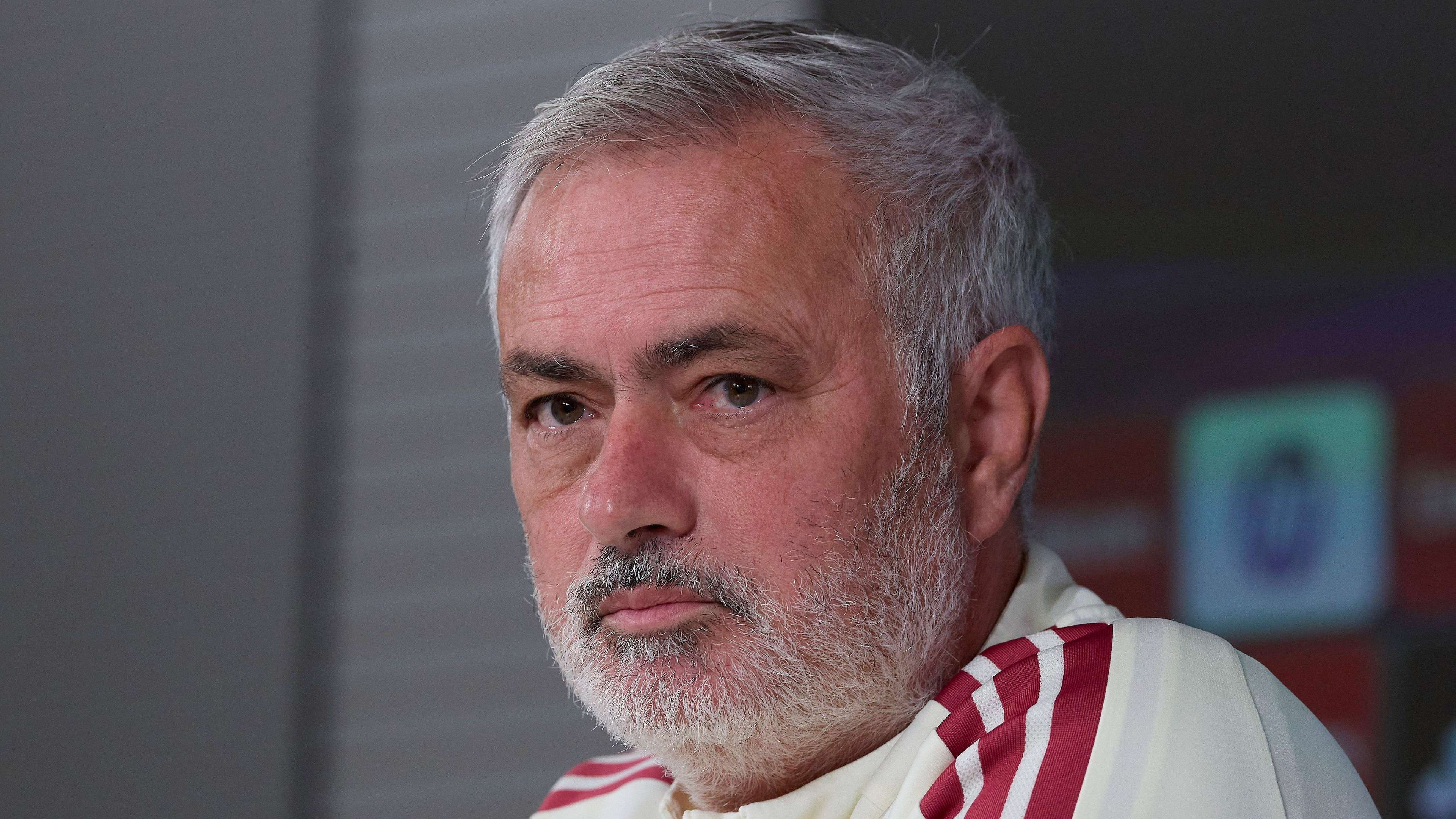
That assessment contrasted with Jose Mourinho’s public praise for referee Hernandez Maeso, whose performance he called “very good.” The difference in opinion highlights how a single match can be interpreted in sharply different ways. A coach may value a referee’s consistency and control, while players experiencing repeated contact may feel that particular challenges deserved stronger intervention.
For officials, the challenge is to distinguish legitimate physical competition from reckless or persistent fouling. A referee’s decisions can influence the tempo of a game, and the timing of a yellow card may determine whether players continue to press the boundaries of what is permitted. Real Madrid’s players appear to believe that firmer intervention would help prevent repeated fouls from becoming a defining feature of their matches.
What the frustration could mean for the season
The international break offers a pause from club football, but it is unlikely to settle the issue. When La Liga resumes, Real Madrid will return to a demanding schedule, with upcoming fixtures including a Copa del Rey meeting with Valencia and a league trip to Celta Vigo. The way referees manage physical challenges in those matches may be watched closely by players, supporters and analysts alike.
There is also a broader tactical dimension. Teams often target opponents who carry the ball forward, create chances or draw defenders out of position. Vinicius, Mbappe, Bellingham and Guler are central to Real Madrid’s attacking threat, so opponents may use close marking and physical pressure to limit their influence. The key question is whether that strategy remains within the rules—and whether officials respond consistently when it does not.
Any football prediction about Real Madrid’s next run of results should account for more than the team’s attacking quality or defensive form. The availability of key players, the intensity of upcoming opponents and the referee’s approach to contact can all shape how a match unfolds. Still, the club’s reported frustration is now about a pattern rather than one controversial afternoon at Mestalla.
Whether the players’ concerns are fully justified will remain open to debate, and foul totals alone cannot provide a complete verdict. But the figures explain why the issue has become difficult to ignore inside the dressing room. Real Madrid believe they are being fouled too often without enough protection, and the Valencia match has turned that belief into one of the season’s most closely watched talking points.