
Jose Mourinho Skips Press Conference After Controversial Real Madrid Victory
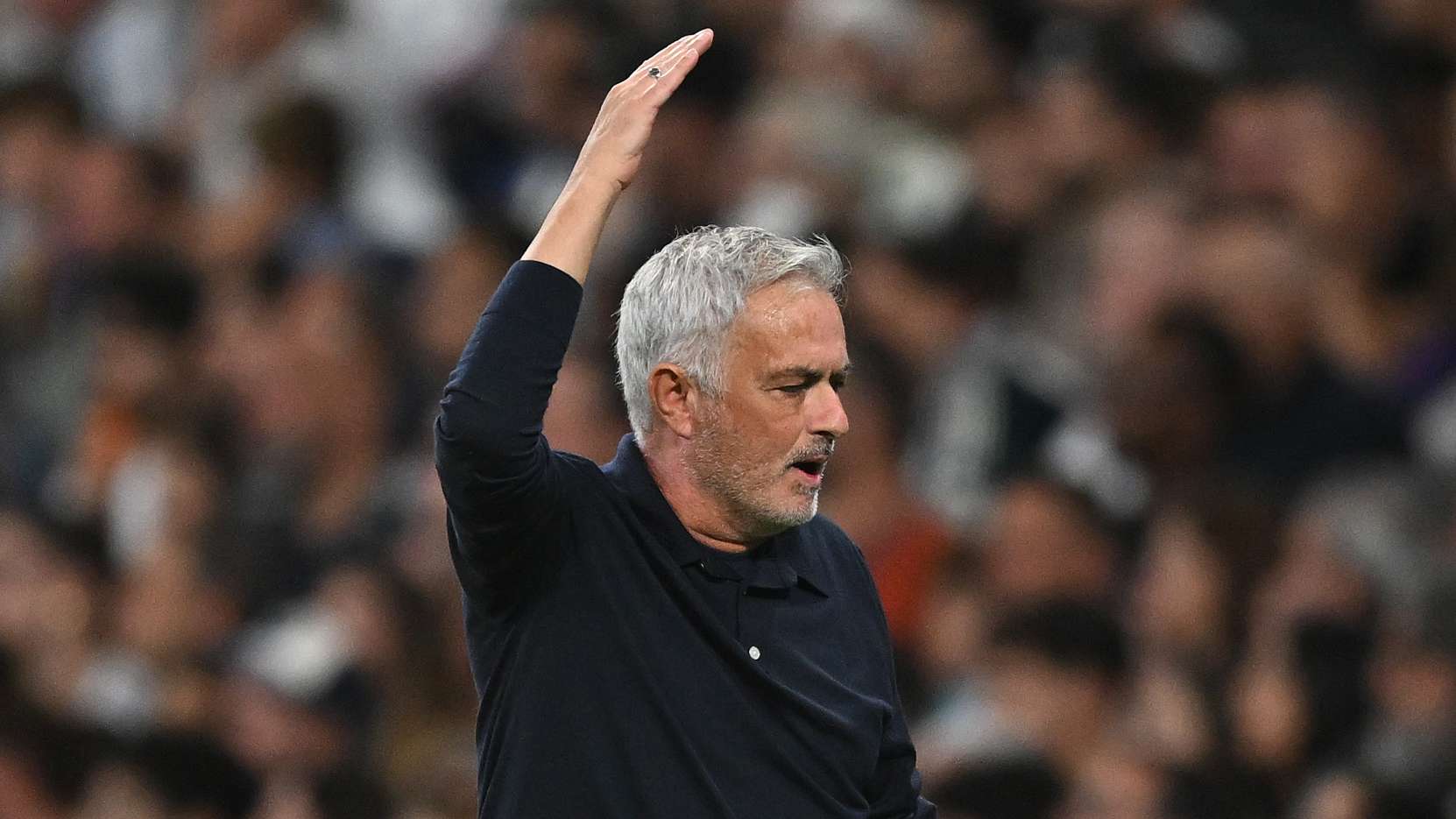
Jose Mourinho chose not to attend his post-match press conference after Real Madrid’s contentious victory over Villarreal, a decision the club supported as it looked ahead to a demanding run of fixtures. The manager was reportedly unhappy with several refereeing decisions during the match, but staying away from the media gave him a way to avoid a possible touchline ban and remain available for the games to come.
The episode added another layer of drama to a result that had already sparked debate. While Real Madrid left with the points, the discussion quickly shifted from the performance itself to Mourinho’s response, the officials’ decisions and the potential consequences of his absence. With Sevilla and Barcelona next on the schedule, the club had clear sporting reasons to prioritise keeping its manager on the touchline.
Why Mourinho Chose Silence
Post-match media duties are a routine part of football, but they can carry disciplinary risks when emotions are running high. A manager who publicly criticises referees may face scrutiny from football authorities, particularly if comments are considered improper or damaging to the game. By declining to speak, Mourinho avoided creating another headline through a heated interview and reduced the chance of his frustration escalating into a formal dispute.
The choice was especially significant because Mourinho’s presence in the technical area can shape a team’s matchday communication. A touchline suspension would not prevent him from preparing the squad, but it could limit his ability to interact directly with players and staff during a game. For a side approaching two important fixtures, preserving that access was a practical consideration as well as a disciplinary one.
His silence should not necessarily be read as indifference. Rather, it appeared to be a calculated response to a situation in which any public remarks might carry a cost. Mourinho has often been a forceful presence in press conferences, so stepping away from the microphone stood out as a deliberate change of approach.
Real Madrid Back Their Manager
Real Madrid’s support for Mourinho’s decision sent a clear message that the club was aligned with him during a sensitive moment. Rather than allowing the absence to become an internal issue, the club treated it as a way to protect its preparations and avoid unnecessary distractions before a crucial stretch of the season.
That support matters because high-profile clubs are judged not only by results but also by how they respond when controversy surrounds a match. A united public stance can help keep attention on football, although it may not quiet questions about the officiating. Supporters and analysts are likely to continue discussing whether the decisions affected the contest and whether Mourinho’s response was the most effective way to express his dissatisfaction.
For the players, the priority is likely to be maintaining focus. A disputed result can generate pressure from outside the dressing room, especially when debate over refereeing overshadows the team’s work on the pitch. The challenge for Mourinho and his staff is to prevent that conversation from disrupting preparation, while using the victory as a platform to build momentum.
Sevilla and Barcelona Raise the Stakes
The timing of the incident made it more consequential. Real Madrid were preparing for a demanding encounter with Sevilla before facing Barcelona, a fixture that brings intense scrutiny regardless of the teams’ positions in the standings. These matches can influence momentum, confidence and the wider narrative around a season, making managerial availability particularly valuable.
Sevilla can present a difficult test through its organisation, intensity and ability to punish mistakes. Real Madrid will need discipline in possession and concentration when defending transitions. Against Barcelona, the tactical and psychological demands are different but equally substantial: every decision, from the starting formation to substitutions, is likely to be examined closely.
Keeping Mourinho on the touchline could therefore offer a practical advantage. He can communicate adjustments in real time, respond to changes in the opposition’s approach and support players through tense moments. Whether that presence proves decisive is impossible to know in advance, but the club’s decision reflects how seriously it views the upcoming schedule.
Refereeing Controversy and the Wider Football Debate
Disagreements over refereeing are a familiar feature of elite football, particularly after close or high-pressure matches. A single call can influence the tempo of a game, alter a team’s tactical choices or become the central talking point after the final whistle. That does not automatically mean an official’s decision changed the outcome, but it helps explain why managers often feel compelled to speak out.
At the same time, public criticism can shift attention away from a team’s own performance. Coaches must balance the desire to defend their players with the risk of incurring sanctions or creating distractions. Mourinho’s decision to skip the press conference highlights one approach: rather than offer comments that could intensify the dispute, he opted to say nothing and protect his availability.
For supporters, the unanswered questions may be frustrating. A press conference can provide insight into a manager’s view of key moments, tactical choices and player performances. Without Mourinho’s comments, fans are left to assess the match through the available footage, official explanations and post-match analysis. That gap can encourage further debate, especially when a controversial decision is involved.
What the Decision Could Mean for Real Madrid
The immediate benefit is straightforward: Mourinho avoided making public remarks that might have increased the risk of a suspension. The longer-term impact will depend on how the team responds in its next matches. If Real Madrid builds on the win, the press conference absence may be remembered as a brief act of caution. If results falter, attention could return to the controversy and the pressure surrounding the manager.
Any football prediction about the Sevilla and Barcelona fixtures must account for more than one incident. Form, fitness, tactical matchups and the ability to manage pressure will all matter. Mourinho’s presence may help from the touchline, but it cannot guarantee a result. Real Madrid will still need to convert chances, defend effectively and maintain composure when games become unpredictable.
For now, the club has made its position clear: Mourinho’s decision is supported, and the focus is on the challenges ahead. The Villarreal match may have ended with a win, but the reaction has ensured that the story continues beyond the final whistle. As Real Madrid prepare for Sevilla and Barcelona, their ability to turn controversy into concentration could be just as important as the points they have already secured.