
Ronaldo’s Potential Portugal Return Leaves Questions Over Discipline and Team Unity
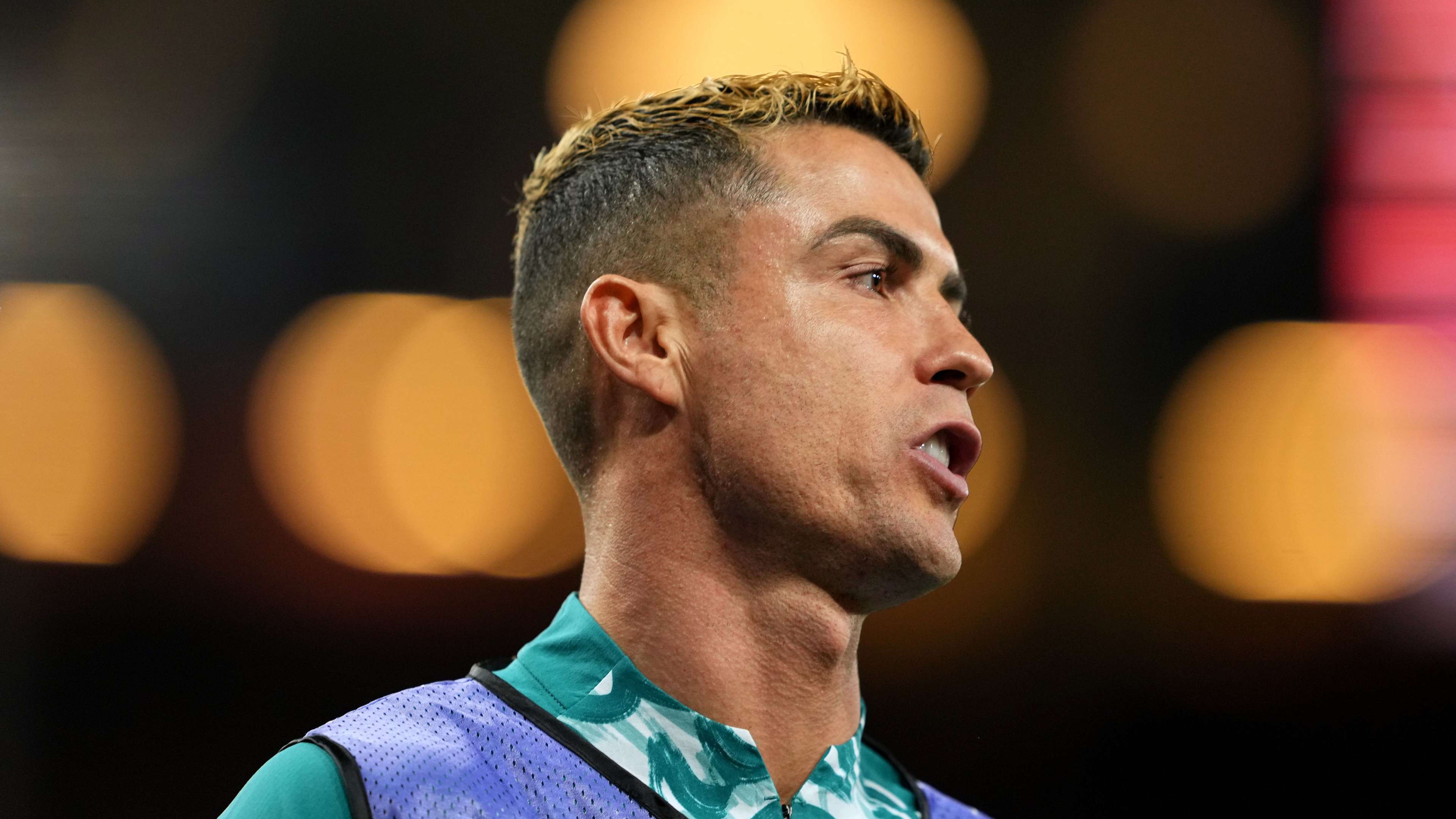
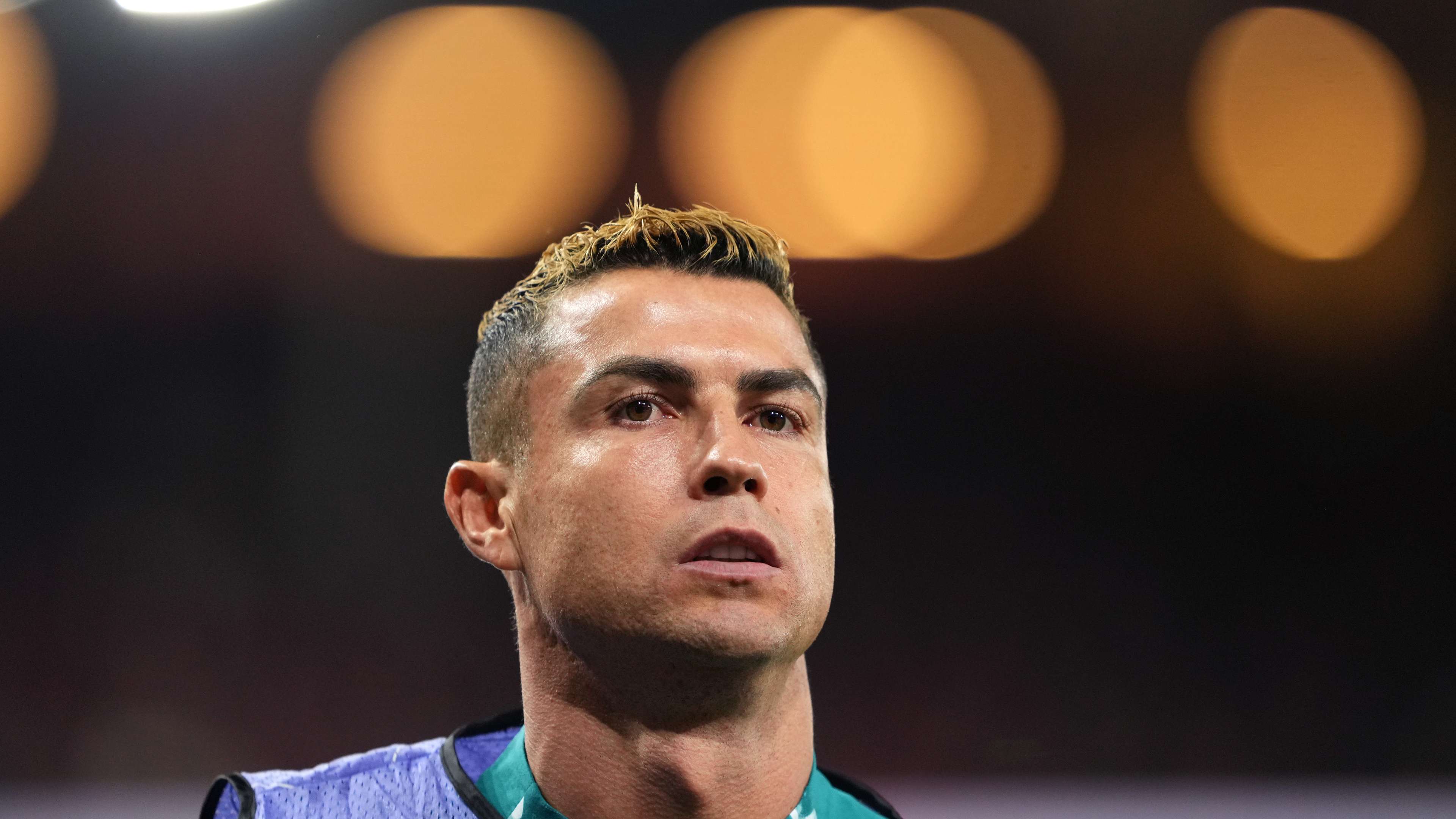
Cristiano Ronaldo’s departure from Portugal’s national-team camp has become more than a football dispute. It has sparked a wider debate about leadership, discipline and the influence of a global superstar inside the national team. Although the Portuguese Football Federation says it wants its captain back for the November international break, the disagreement involving Ronaldo and coach Jorge Jesus remains unresolved, with disciplinary proceedings still underway.
The public response has been sharply divided. Some supporters believe Ronaldo’s achievements and commitment to Portugal deserve special consideration. Others argue that no player, regardless of status, should be treated as bigger than the team. With statements from the player, federation officials, journalists and former football figures continuing to shape the story, the question is no longer simply whether Ronaldo will return. It is whether Portugal can restore trust and move forward without allowing the dispute to destabilise the squad.
Ronaldo says he wants to return
Ronaldo has set out his position in a lengthy public statement. He criticised what he viewed as a reversal of previous assurances, acknowledged that he had made mistakes and said he accepted the disciplinary punishment imposed on him. At the same time, he underlined his desire to continue representing Portugal, competing at the highest level and pursuing victories in his country’s shirt.
That message offers an opening for reconciliation, but it does not automatically settle the underlying issues. An apology or acceptance of punishment may help reduce tension, yet the team and coaching staff still need to establish what happened, how it affected the camp and what expectations will apply when Ronaldo returns. The challenge is to address those matters without turning every conversation into another public confrontation.
For Portugal, the timing is significant. International breaks offer limited preparation time, and a dispute involving the captain can quickly become a distraction from training and upcoming fixtures. The squad needs clarity about selection, leadership and conduct so that attention can return to football rather than speculation.
Federation calls for calm as proceedings continue
Portuguese Football Federation president Pedro Proença has attempted to cool the situation. He said the federation, coaching staff and players want Ronaldo to rejoin the group during the November break. However, Proença also stressed that the disciplinary process will continue and that the final decision belongs to the appropriate authorities.
The federation’s position reflects a difficult balancing act. It can signal that Ronaldo remains valued while also making clear that the rules cannot simply be set aside. A return that appears to bypass the disciplinary process could prompt criticism from teammates and supporters. On the other hand, prolonging the dispute may deepen divisions and leave the national team dealing with uncertainty when it should be preparing for matches.
The handling of the case may therefore matter as much as its outcome. A clear, consistent process would help demonstrate that decisions are based on team standards rather than public pressure. It could also give Ronaldo and the coaching staff a path to resolve their differences away from the media spotlight.
Debate over the privileges of a football icon
Writing in A Bola, journalist Nelson Viteirona questioned the limits of the exceptional status Ronaldo enjoys. His sporting record, commercial value and global profile are extraordinary, but Viteirona argued that those qualities should not override the collective principles that govern a national team.
The issue is not whether Ronaldo has earned respect. His contribution to Portugal’s football history is undeniable. The harder question is whether his stature changes how discipline is applied. If a captain receives different treatment from other players, the team may struggle to maintain a shared sense of responsibility. Yet treating a legendary figure exactly like any other player, without acknowledging his role and influence, may also overlook the realities of managing a high-profile squad.
Viteirona also warned that Ronaldo’s return cannot be treated as though nothing happened. Questions remain about his relationship with Jorge Jesus and how his teammates view the dispute. Even if the immediate disagreement is settled, rebuilding confidence inside the dressing room may take longer than issuing a formal decision.
Criticism grows over the public handling of the crisis
Gonçalo Almeida, a lawyer and judge at FIFA’s Court of Arbitration for Sport, criticised the way Ronaldo’s departure became a national controversy. Official comments, social-media posts and conflicting accounts helped push the issue into the public arena, he argued, harming the parties involved as well as Portugal’s image. As reported by French outlet Foot Mercato, Almeida called for the matter to be resolved privately in the interests of the national team.
His point highlights a broader concern in modern football: disputes can escalate rapidly when every development is discussed online. Public explanations may be intended to clarify events, but competing accounts can create confusion and encourage supporters to take sides before the full picture is known. For a national team, that noise can become an additional burden for players and staff.
Former footballer and economist Diogo Luís placed responsibility on both the federation and Ronaldo. He argued that a lack of decisive leadership at the beginning allowed the disagreement to grow. But he also said that, whatever the cause of the conflict, leaving the national-team camp during training was not justified. In his view, Ronaldo’s attempts to defend his position did little to calm matters and instead made them more complicated.
Luís also noted that Jesus appeared unwilling to yield to pressure from his captain. That stance may have reinforced the coach’s authority, but it exposed the difficulty of balancing Ronaldo’s historic status with the need for collective discipline. Summing up the damage, Luís said: “I will not say that anyone came out of all this a winner, because frankly I believe that everyone lost.”
What Ronaldo’s return could mean for Portugal
Portugal’s next decision will shape the story’s direction. A return in November could provide an opportunity to reset, provided the disciplinary process is respected and the key people involved can agree on a way forward. A carefully managed reunion would allow the team to focus on its football ambitions while showing that accountability and experience can coexist.
But a return alone will not guarantee harmony. The captain, coach and federation will need to communicate clearly, while teammates must be confident that the same standards apply across the squad. If those conditions are not met, Ronaldo’s comeback could become the beginning of another round of controversy rather than a clean break from the dispute.
Any prediction about Portugal’s short-term prospects must therefore account for more than tactics or individual form. Team unity, dressing-room trust and the federation’s ability to lead will be just as important. The immediate aim is to settle the disciplinary matter and protect preparations for the November fixtures. The longer-term test is whether Portugal can preserve Ronaldo’s immense value to the team without allowing any individual’s status to overshadow its shared rules.
For now, the federation wants its captain back, Ronaldo says he is ready to continue serving Portugal, and the disciplinary proceedings remain open. Whether the sides can turn that shared desire into a genuine reconciliation will determine if this episode becomes a brief setback—or a lasting question about leadership and influence in Portuguese football.