
Raphinha’s Ballon d’Or Snub Sparks Debate Despite Explosive Barcelona Form
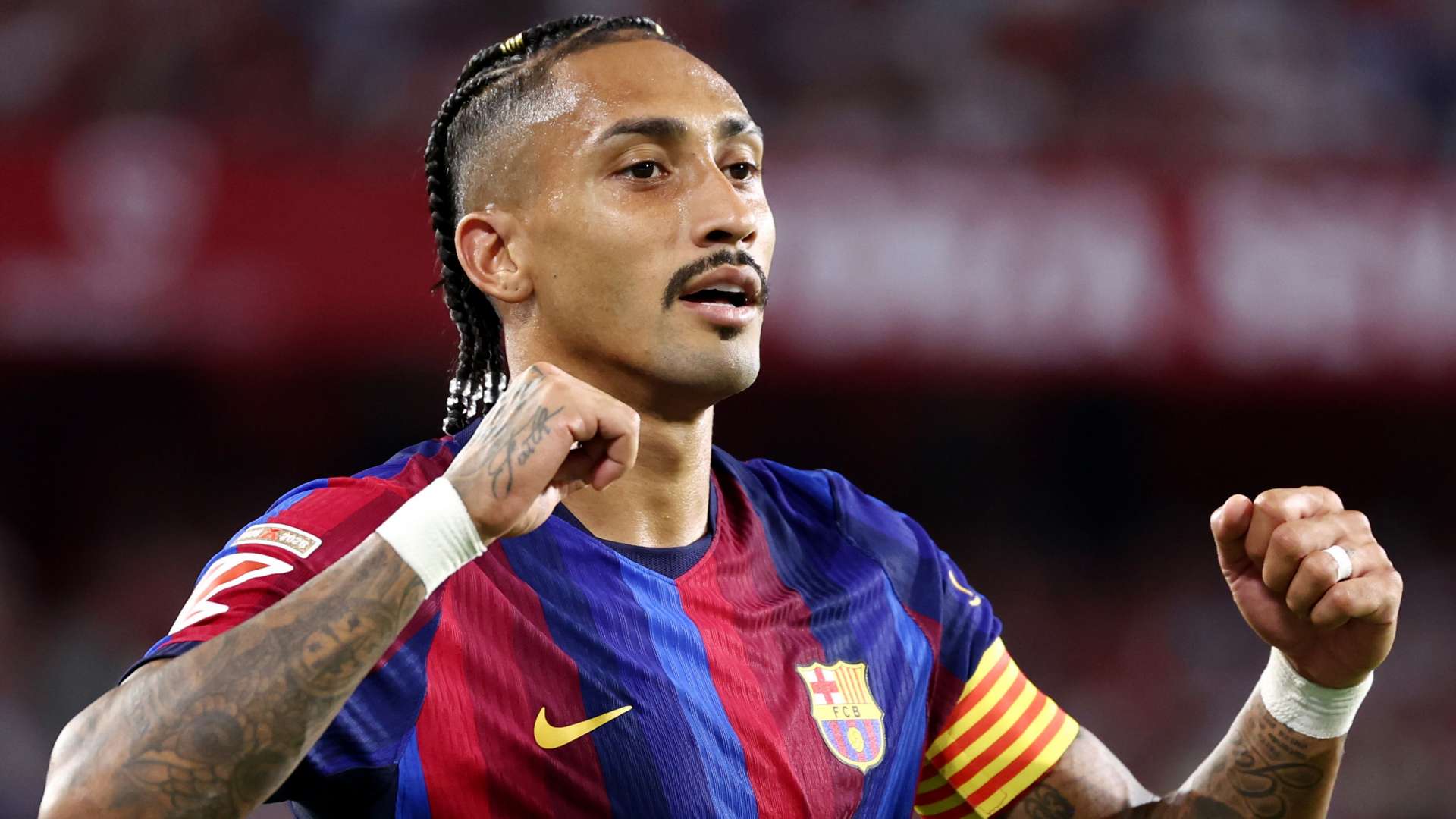
Barcelona forward Raphinha has been omitted from the 30-player shortlist for the 2026 Ballon d’Or, a decision that has surprised supporters and prompted fresh debate about how football’s most prestigious individual award is judged. The Brazilian has made a prolific start to the 2026–27 campaign, producing goal numbers compared with the kind of output associated with Cristiano Ronaldo at his peak. Yet his strong form has not earned him a place among the leading contenders.
Former Manchester United midfielder Anderson believes Raphinha would have struggled to reach the very top of the voting even if he had been included. Speaking to GOAL, the Brazilian said his compatriot would not have finished in the “top three.” His assessment does not dismiss Raphinha’s performances; rather, it highlights the gap between impressive statistics and the broader factors that can shape Ballon d’Or voting.
A surprising omission after a prolific start
Raphinha’s absence stands out because his early-season production has helped make him one of Barcelona’s most influential attacking players. The winger has contributed goals at a remarkable rate, giving the impression of a forward who can decide matches through individual quality as well as consistent end product. For a player enjoying such momentum, missing the 30-man shortlist is an unexpected setback.
However, the Ballon d’Or is not simply a reward for the highest goal tally. Voters typically weigh individual performances alongside a player’s influence on major matches, success with club and country, consistency across the relevant period and the strength of the competition. A prolific run can strengthen a case, but it may not be enough on its own—particularly when other candidates have collected major trophies or delivered decisive performances on football’s biggest stages.
The timing of Raphinha’s form may also be part of the conversation. The 2026–27 season is only beginning, while the award shortlist reflects a defined assessment period. A player can be in outstanding shape today without that form having counted fully toward the nomination process. This distinction can make the shortlist appear disconnected from what fans are currently watching.
Why statistics do not tell the whole Ballon d’Or story
Goals are among the clearest measures of attacking impact, but they do not capture every part of a player’s contribution. Raphinha’s value to Barcelona can also be seen in his movement, pressing, ability to stretch defensive lines and work in transition. These qualities may help his team even when he is not scoring, although they are harder to compare than goals and assists.
Ballon d’Or prediction discussions often focus on headline numbers because they are easy to understand and compare. Yet award voters may place considerable importance on trophy-winning campaigns, performances in high-profile fixtures and a player’s role within a successful team. If a candidate’s club wins a major competition, that achievement can shape the narrative around their individual season.
That context helps explain Anderson’s view. Saying Raphinha would not have finished in the top three is not the same as arguing that he lacks elite ability. It reflects the challenge of competing against a crowded field in which several players may have combined individual excellence with major honours. The distinction between being worthy of recognition and being a leading favourite is central to the debate.
Barcelona’s wider influence on Raphinha’s case
Raphinha’s prospects are closely connected to Barcelona’s results. The club’s performances in domestic competition and European football can amplify the winger’s individual achievements, especially if he plays a decisive role in important victories. A sustained scoring run, combined with success in major tournaments, would give him a stronger platform in future award discussions.
Barcelona’s style can also create opportunities for Raphinha to remain prominent. The team’s attacking structure often relies on width, quick combinations and pressure high up the pitch—areas in which the Brazilian can make a visible impact. If he continues to score while contributing to the collective game, his reputation as more than a goalscorer could grow.
At the same time, competition for attention at Barcelona is intense. A team with several celebrated players can divide the spotlight, while voters may focus on whichever individual is seen as the central figure in a successful campaign. Raphinha may therefore need not only strong numbers but also defining moments that establish him as one of the season’s most influential players.
What the snub means for the 2026–27 season
Being left off the shortlist is a disappointment, but it does not determine how the rest of Raphinha’s season will unfold. His current form gives him a chance to turn the omission into motivation and build a compelling case for future recognition. Continued production against strong opponents would be particularly valuable, as performances in high-pressure matches often carry more weight in public debate than goals scored in routine fixtures.
For supporters searching for a Barcelona prediction or a broader football prediction, Raphinha’s form is an important factor in assessing the team’s attacking prospects. A confident, in-form winger can influence the outcome of tight matches, create space for teammates and give Barcelona another reliable route to goal. Still, individual brilliance cannot guarantee trophies; team balance, defensive reliability and fitness across the squad remain just as important.
The shortlist decision also illustrates how quickly opinions can shift. A player who is overlooked one season may become a serious contender after a campaign defined by major trophies and memorable performances. If Raphinha maintains his scoring pace and helps Barcelona succeed, the conversation around his Ballon d’Or credentials could change considerably.
A debate that will continue as the season develops
Raphinha’s omission has created a clear divide between those who believe his numbers demand recognition and those who see the shortlist as a reflection of the award’s wider criteria. Anderson’s prediction that the Brazilian would not have made the top three adds another layer to the discussion, but the final judgement will depend on performances, results and the standards set by his rivals.
For now, the most compelling response may come on the pitch. Raphinha has started the 2026–27 season with the kind of scoring form that attracts attention, and Barcelona will hope he can sustain it through the most demanding stages of the campaign. Whether or not he becomes a Ballon d’Or contender, his influence could prove crucial to the club’s ambitions—and may ensure that the debate over his standing in world football is far from over.