
Raphinha explains how Hansi Flick changed his mind about leaving Barcelona
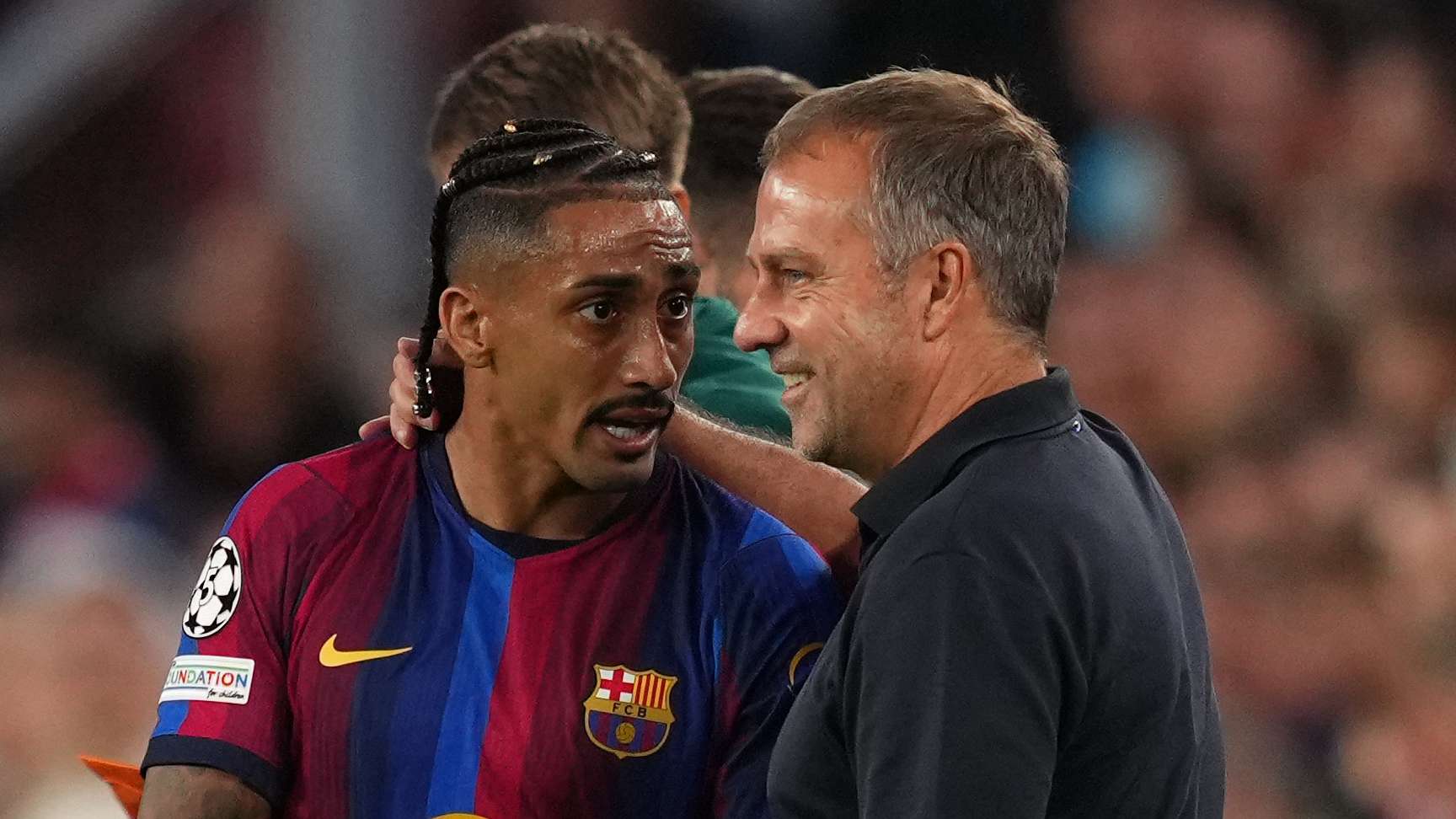
Raphinha once believed his Barcelona career was finished. He felt his contribution was not fully valued, his confidence had slipped, and he had already made peace with the idea of moving on. Today, the Brazilian winger is a senior figure in the dressing room and one of the team’s most influential players—a transformation he says began with a brief but important conversation with new coach Hansi Flick.
Reflecting on that turning point in an interview with The Guardian, reported by Sport, Raphinha said he had reached a decision in his own mind before Flick had even begun working with the squad. “I knew deep down that I was going to leave,” he explained. “I had already made my decision mentally.”
Flick, however, asked him not to make any final decision until they had spoken. The coach’s message was simple: he trusted Raphinha and believed the winger could play an important role in his Barcelona project. For a player who had begun to doubt his standing at the club, that reassurance proved powerful.
A conversation that restored Raphinha’s confidence
Raphinha has often credited Flick with changing his outlook, both professionally and personally. The coach’s confidence helped him reconsider what might still be possible at Barcelona, giving him a fresh sense of purpose at a moment when he felt ready to leave.
“He told me that he trusted me, and that I would be an important player,” Raphinha said. “In a moment like that, a few words can change you.” He added that Flick had altered his mentality and helped him rediscover belief in himself.
The episode offers a reminder of how much communication can matter in elite football. A player’s future is often discussed in terms of transfer fees, contracts and tactical fit, but personal trust can also shape a decision. Flick did not simply ask Raphinha to stay; he gave him a reason to imagine a different role and a more meaningful future at the club.
From uncertain future to key Barcelona figure
Since that change of heart, Raphinha has grown into a prominent presence for Barcelona. His performances have strengthened his position in the squad, while his influence has extended beyond goals and assists. The winger is now regarded as one of the leaders in a dressing room that brings together experienced professionals and some of football’s most exciting young talents.
His early-season numbers have underlined that impact. In the eight matches cited in the original report, Raphinha had scored 14 goals and supplied three assists for the Catalan side. Such production reflects his attacking quality, but his importance to Barcelona cannot be measured by statistics alone. His work rate, directness and willingness to take responsibility have also helped establish him as a central figure in the team.
For supporters following Barcelona’s campaign, Raphinha’s revival is an important storyline. His form can influence the club’s attacking balance, while his experience offers a useful counterweight to the energy and unpredictability of younger players. Any football prediction about Barcelona’s prospects naturally depends on many factors, including injuries, opposition and consistency, but a confident and productive Raphinha gives the team another major source of threat.
The captain’s armband brought a new perspective
Raphinha’s teammates also helped change how he viewed himself. When the squad selected him as captain, he realised that others recognised qualities he had not fully appreciated. The responsibility became a turning point, reinforcing the trust Flick had already shown in him.
“It was like flicking a switch,” he said. “Others were seeing something in me that I had not discovered myself. That is what changed me.”
To Raphinha, the armband is more than a symbol worn on matchday. It represents the confidence of the dressing room and the responsibility to contribute to the group, whether he is starting, training or helping a teammate through a difficult moment. He described being seen as an important person as an honour, stressing that leadership is not simply a matter of wearing the captain’s band.
That distinction matters in a squad where leadership must be shared. Barcelona’s younger players are still developing, while established professionals are expected to set standards and help maintain focus. Raphinha’s own experience of uncertainty may make him particularly aware of how encouragement—or its absence—can affect a player’s confidence.
Supporting Barcelona’s younger players
The Brazilian says his leadership style involves listening, offering support and choosing the right moment to intervene. He pays particular attention to Lamine Yamal, Barcelona’s teenage star, and tries to help when he senses that the youngster is distracted or losing focus on what is happening around him. Raphinha also looks to keep teammates, including Jordon, calm when emotions or pressure begin to rise.
His approach is not about criticising young players for every mistake. Instead, he believes they need experienced teammates who can guide them clearly while still understanding that development takes time. Young footballers are learning to handle demanding schedules, public attention and the expectations that come with playing for a major club. A trusted teammate can help make those challenges easier to manage.
“Sometimes you have to act in a fatherly way, because they are children,” Raphinha explained. He believes younger players understand that firm advice is intended to help them, not undermine them. The key is to correct mistakes with care and make sure the message is delivered for the right reasons.
A Barcelona story reshaped by trust
Raphinha’s account traces a striking change: from a player who had mentally prepared to leave Barcelona to a captain helping guide the next generation. Flick’s first conversation did not erase every challenge, but it gave the winger a renewed sense of value and the confidence to reconsider his future.
That shift has since been reinforced by strong performances and the faith of his teammates. For Barcelona, the result is a more settled and influential Raphinha—one who contributes in attack while helping shape the culture of the dressing room. His story shows how trust can alter a player’s outlook, and how a single conversation can become the beginning of a much bigger comeback.