
How Will the FIGC and Club Italia Sustain Their Revival?
Italy’s football revival has entered a new phase, with the FIGC and Club Italia facing the challenge of turning early momentum into lasting progress. Around 100 days after Giovanni Malagò took charge—first as president of the federation and later as its commissioner—attention is shifting from appointments and immediate decisions to the longer-term plan for the national game.
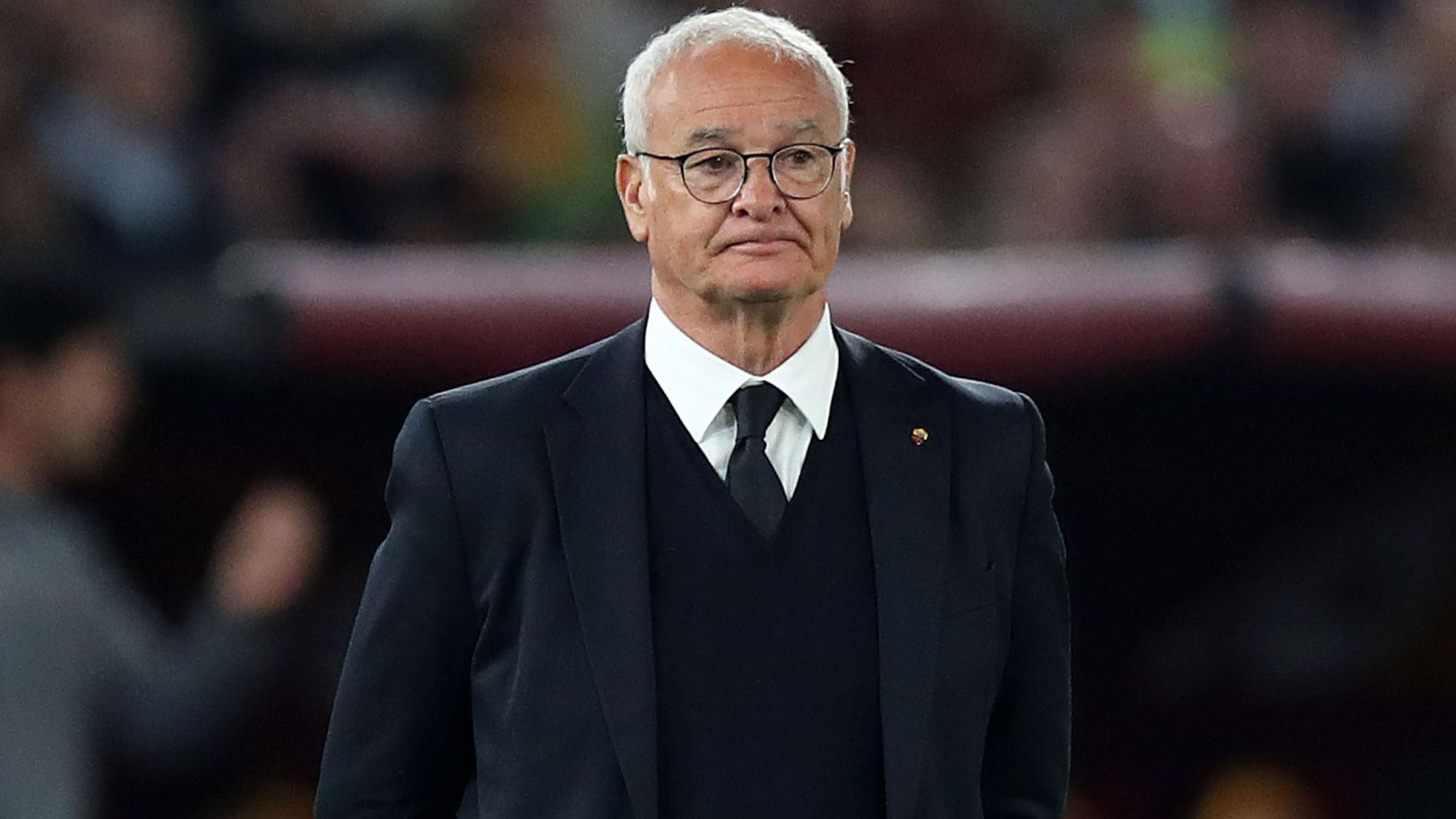
Claudio Ranieri has become a central figure in that discussion. Appointed sporting director of Club Italia on the same day as Malagò’s arrival, Ranieri is expected to help shape the structure and direction of Italy’s national teams. Speaking to Sky Sport, he outlined the project he has in mind, offering a glimpse of how the federation could approach its next stage.
A New Chapter for Italian Football
Leadership changes can create an opportunity to reassess priorities, but they do not guarantee improvement on their own. For the FIGC, the key question is how to build a coherent football strategy that connects the senior national team with youth development, coaching, scouting and the domestic game.
Malagò’s first 100 days have been an important opening period. Taking on the federation presidency and then the role of commissioner placed him at the centre of a demanding transition. The work ahead is likely to involve more than short-term results: Italy needs a system capable of identifying talent, preparing players for international football and giving promising prospects a clear route into senior competition.
That is where Club Italia’s role becomes especially significant. The organisation brings together the national teams and the people responsible for their sporting direction. A stronger, more coordinated structure could help the FIGC make decisions with a broader view than the next match or tournament alone.
Ranieri’s Club Italia Project
Ranieri’s appointment brings extensive experience from across football. Known for his work with clubs in Italy and abroad, he has operated in environments with different budgets, expectations and sporting cultures. That background could prove useful as Club Italia considers how to support its coaches and players while developing a consistent identity across the national-team setup.
In his Sky Sport interview, Ranieri discussed the project he wants to build. The details of any long-term programme will matter, but the central challenge is clear: Club Italia must connect planning with practical football decisions. That means helping coaches share information, improving the transition between age groups and ensuring that selection decisions are informed by a broad understanding of a player’s development.
A sporting director can also provide continuity. National-team coaches may change, and tournament cycles inevitably bring pressure, but a well-defined sporting framework can remain in place. If Club Italia establishes shared principles for recruitment, player development and performance analysis, Italy could avoid repeatedly starting from scratch whenever leadership changes.
Why Youth Development Matters
Any serious revival of Italian football must include young players. Italy has a proud history of tactical intelligence and defensive organisation, yet modern international football demands a wider range of qualities: technical confidence, speed in transition, physical resilience and the ability to make decisions under pressure.
Developing those qualities takes time. Young footballers need regular opportunities at club level, high-quality coaching and meaningful international experience. The federation can help by making youth teams part of a connected pathway rather than treating each age group as a separate project. When players move between under-19, under-21 and senior football, clear communication can make that progression more effective.
Club Italia may also have a role in strengthening cooperation between the national setup and professional clubs. Clubs are responsible for much of a player’s daily development, while the federation provides international competition and a shared national-team environment. Better coordination could help coaches understand how players are progressing and identify when they are ready for more demanding roles.
Turning Vision Into Results
For supporters, the most visible measure of progress will always be results. A convincing performance, a successful qualification campaign or a strong tournament run can quickly lift confidence. But meaningful reform is rarely captured by one scoreline. A sustainable football prediction for Italy’s future should consider whether the country is improving its talent pipeline, producing adaptable players and building a clear identity across its teams.
The FIGC will also need to balance immediate expectations with long-term planning. The senior national team cannot wait indefinitely for structural improvements to take effect, while youth development cannot be judged solely by whether it produces instant stars. The challenge is to pursue both goals at once: compete now, while creating better conditions for the next generation.
That requires measurable priorities. The federation could assess progress through the quality of youth-team performances, the number of young players gaining senior experience, the consistency of coaching methods and the effectiveness of cooperation with clubs. Such indicators would give supporters and stakeholders a clearer sense of whether the revival is becoming embedded in the system.
What Comes Next for the FIGC?
Malagò’s leadership and Ranieri’s Club Italia role have created a fresh opportunity for Italian football, but the next phase will depend on execution. A strong project needs clear responsibilities, realistic targets and enough continuity to survive setbacks. It must also remain flexible: football evolves quickly, and Italy will need to respond to changes in tactics, player development and international competition.
Ranieri’s experience could help translate ambition into practical decisions, while Malagò’s position gives the federation the authority to support wider changes. Their work alongside national-team figures such as Roberto Mancini will be watched closely, particularly as Italy seeks to restore confidence and strengthen its competitive standing.
The first 100 days have marked the beginning, not the conclusion, of the FIGC’s revival. The real test will be whether the new leadership can connect national-team performance with a deeper development strategy. If Club Italia becomes a genuine centre for long-term planning—and if young players are given the support and opportunities they need—Italy’s football recovery could become more than a temporary surge in optimism.