
South Africa vs Australia, Second Test: Rabada’s Return Offers Hope as Rain Clouds Gqeberha
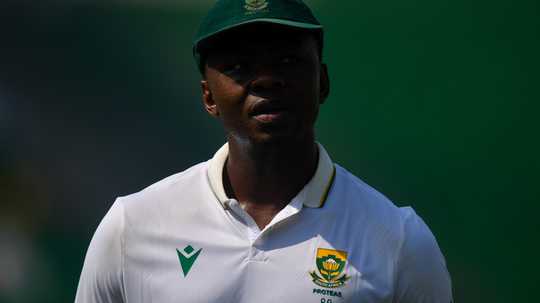
South Africa head to St George’s Park for the second Test against Australia needing more than a change of venue to revive their campaign. A 214-run defeat in Durban exposed the gap between the teams, but the expected return of fast bowler Kagiso Rabada has lifted the mood ahead of the Gqeberha match. His presence could reshape the contest—even before he bowls a delivery.
The match, scheduled for October 18 to 22, 2026, carries significant importance for both sides. Australia will look to build on a commanding first-Test performance, while South Africa need a response that demonstrates the resilience they showed in winning the World Test Championship final at Lord’s last July. With rain threatening to disrupt the opening days, however, team selection and match strategy may depend as much on the forecast as on the pitch.
Rabada’s fitness gives South Africa a timely boost
Rabada was unavailable for the Durban Test because of a hamstring injury, adding to South Africa’s growing list of fast-bowling fitness concerns. The wider injury picture has been especially challenging, with several internationals sidelined and five of them fast bowlers. His availability for Gqeberha is therefore a major development for a team that needs its leading strike bowler back at full strength.
Captain Temba Bavuma has described Rabada as a central figure in the attack, saying his teammates draw confidence from the way he leads and competes. That influence matters in a Test where South Africa must find a way to contain Australia’s batters and create pressure across long spells. Australia captain Pat Cummins also acknowledged the threat, calling Rabada a class player who will be a challenge.
Rabada’s return is not a guarantee of an immediate turnaround, but it gives South Africa a more imposing attack and a focal point for the other bowlers. On a surface that may be slower than Durban’s, his ability to generate pace, movement and breakthroughs could be crucial.
Renshaw’s discipline set the standard in Durban
Australia’s first-Test victory was comprehensive, but Matt Renshaw’s batting was the standout difference between the sides. He scored 190 in the first innings and followed it with 82 in the second, producing the kind of patient, adaptable Test cricket that South Africa struggled to match.
Renshaw’s method was straightforward but demanding: punish loose deliveries, respect good bowling, collect runs when they are available and resist the urge to force the pace. His twin contributions gave Australia control of the match and put the home side under sustained pressure. Aiden Markram’s second-innings 75 was the only other score above 50 in the Test, underlining how much South Africa need greater consistency from their batting order.
St George’s Park could again reward batters prepared to build an innings. If the pitch plays as expected, South Africa will need to show patience against Australia’s experienced attack, led by Cummins, Mitchell Starc, Josh Hazlewood and Nathan Lyon. The hosts’ batting response may be just as important as Rabada’s return.
Rain could change the team balance
Gqeberha is traditionally one of South Africa’s most spin-friendly Test venues, making the selection of a second spinner an annual talking point. This time, the weather could complicate that decision. Forecasts indicate a 55% chance of rain on Sunday, rising to 80% on Monday, potentially limiting play during the opening two days.
Lost time would affect how both captains approach the match. A shortened Test may encourage teams to prioritise seamers and attacking options over a second specialist spinner, even at a ground where spin is usually part of the pre-match calculation. The surface is also expected to be somewhat slower than the Durban pitch, which could influence how quickly batters score and how bowlers plan their workloads.
South Africa’s final XI had not been announced by Saturday’s captain’s press conference, leaving room for changes. Rabada is expected to return, potentially at the expense of Simon Harmer. With wicketkeeper-batter Kyle Verreynne dropped, Ryan Rickelton could move from an opening role down to No. 7, creating an opportunity for Matthew Breetzke to open. Marques Ackerman is also in line for a possible Test debut.
Possible South Africa XI
Aiden Markram, Matthew Breetzke, David Bedingham, Temba Bavuma (captain), Marques Ackerman, Wiaan Mulder, Ryan Rickelton, Marco Jansen, Keshav Maharaj, Kagiso Rabada and Anrich Nortjé.
Australia may be more settled after their success in Durban. Cameron Green remains unavailable with an abdominal problem, so the visitors could keep the winning combination intact.
Possible Australia XI
Nic Maddinson, Travis Head, Marnus Labuschagne, Steven Smith, Matt Renshaw, Alex Carey, Beau Webster, Pat Cummins (captain), Mitchell Starc, Nathan Lyon and Josh Hazlewood.
Gqeberha brings history—and pressure
South Africa have won two of their three Tests against Australia at St George’s Park in the post-isolation era, a record that offers a measure of encouragement. Yet the scale of Australia’s Durban victory makes it difficult to rely on past results alone. The hosts must turn the promise of Rabada’s return into a stronger collective performance.
South Africa’s World Test Championship triumph at Lord’s gave supporters reason to believe the team had reached a new level. But confidence in Test cricket is built through repeated performances, particularly when conditions and results turn against a side. Gqeberha is another opportunity to show that the Lord’s victory was more than a memorable high point.
Second Test prediction: Australia start ahead, but conditions matter
Australia enter the match as favourites after dominating the first Test and showing greater discipline with both bat and ball. Renshaw’s form, the depth of the visitors’ attack and the stability of their likely XI all strengthen their position. South Africa’s best route back into the series is to make their batting more resilient and use Rabada’s return to attack early.
The biggest uncertainty is the weather. Significant rain could reduce the time available for either side to force a result, while a slower pitch may make run-scoring and wicket-taking more difficult. If play is substantially disrupted, the match prediction becomes less certain; if conditions allow a full contest, Australia’s recent advantage is clear. For South Africa, Rabada’s fitness offers a reason for optimism—but the home side will need contributions from across the XI to turn that hope into a result.
Match details: Second Test, October 18–22, 2026; St George’s Park, Gqeberha. Start time: 10am local, 8am GMT and 1.30pm IST.