
Premier League Managers Call for Clarity as Manchester City Case Continues
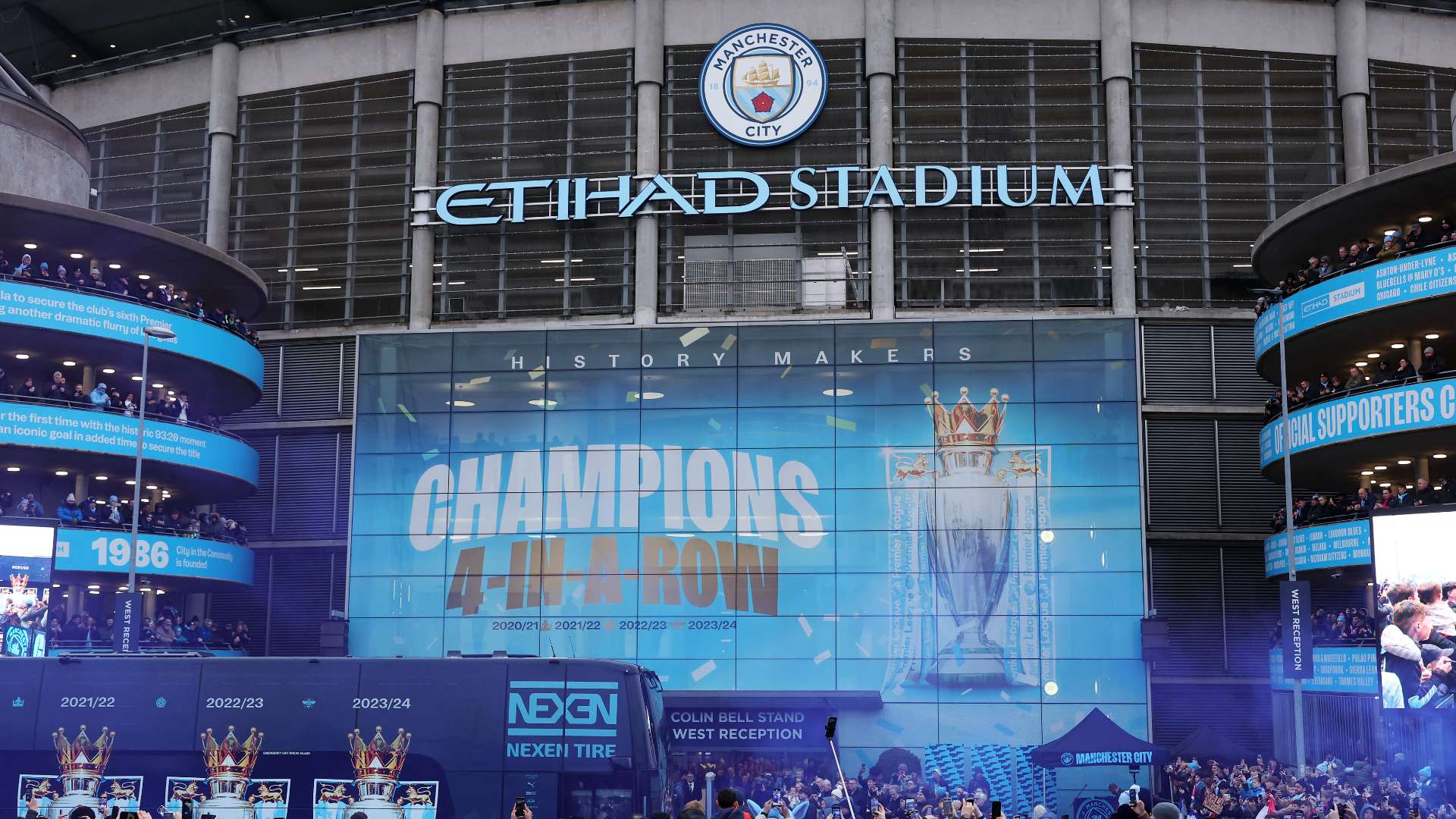
Manchester City’s long-running financial case continues to divide opinion across the Premier League, with managers offering sharply different responses during Friday’s press conferences ahead of the weekend’s fixtures. Some urged caution until the legal process is complete, while others questioned why the investigation has taken so long. Their comments reflect growing concern about what the outcome could mean for the league, its clubs and the credibility of past results.
The case centres on 115 charges brought against City relating to alleged financial breaches over a nine-season period. The club has denied wrongdoing, and the proceedings remain subject to the relevant legal and regulatory processes. Reports about findings or possible consequences should therefore be treated carefully until the authorities issue final decisions. For supporters following the story, the central questions remain unresolved: what conclusions will be reached, whether any penalties will follow, and how any decision could affect the wider competition.
Iraola urges patience before judgment
Andoni Iraola, the former Bournemouth manager now in charge at Liverpool, warned against reaching conclusions without access to the full evidence. He said the panel responsible for examining the case is better placed to assess the material after spending months reviewing a complex file.
Iraola also stressed that the uncertainty benefits no one. In his view, the fairest approach is to allow the process to run its course rather than rely on speculation. While the case may dominate headlines, he said the immediate challenge for his team is preparing to face City on the pitch—a demanding task regardless of the off-field debate.
That distinction matters for clubs and fans alike. A legal case can shape the background to a major fixture, but players and coaches still have to focus on tactics, fitness and results. In football, attention can quickly shift from a hearing room to a matchday, even when the questions surrounding a powerful club remain unanswered.
Some managers choose not to comment
Xabi Alonso, Chelsea’s manager, declined to take a position on the substance of the allegations. He said his club did not have enough information to judge the matter and that his priority was concentrating on issues within Chelsea’s control while respecting the formal process.
Alonso’s response reflects a cautious approach common in high-profile disputes. Managers are rarely in a position to assess confidential evidence, and public comments can easily be misinterpreted as support for one side or criticism of another. With the case still unresolved, restraint may be the safest course—particularly when clubs must maintain working relationships across the league.
Moyes compares the timeline with Everton’s punishment
David Moyes took a more direct approach, drawing attention to Everton’s experience with the Premier League’s profit and sustainability rules. Everton received an eight-point deduction during the 2023–24 season for a breach of those rules, and Moyes questioned why City’s case had taken so much longer to reach a conclusion.
His comments highlighted a concern shared by many observers: whether different cases are being resolved at a consistent pace. The allegations involving City are extensive and cover multiple seasons, making the process unusually complex. Even so, prolonged uncertainty can leave clubs, players and supporters unsure about how the rules are applied—and how long it may take for accountability to be established.
Moyes also acknowledged City’s influence on the Premier League as a sporting institution. He praised the club’s style of play and the contribution of its managers and players, while making clear that admiration for footballing achievements does not settle questions about compliance. That distinction is important: performance on the pitch and adherence to financial regulations are separate issues, even when they become intertwined in public debate.
Carrick says the case has weighed on the league
Manchester United manager Michael Carrick described the situation as exceptional because of City’s size and prominence. He said he wanted clearer answers about where the case is heading, noting that the uncertainty has lingered for years and affected how people view the competition.
The possibility of consequences for titles or other historical outcomes has also fuelled discussion among rival supporters. However, no assumptions should be made about whether past honours will be revisited. Any sporting or financial sanctions would depend on the findings, the applicable rules and the decisions of the authorities. Until those steps are completed, claims about what might happen remain speculation rather than confirmed outcomes.
Glasner calls for a fair and timely decision
Oliver Glasner, Nottingham Forest’s manager, said the final verdict should determine what happens next. He pointed to the possibility of an appeal and argued that the process must distinguish between those proven to have broken rules and those who have not. In his view, fairness requires both accountability where wrongdoing is established and protection for anyone cleared of the allegations.
Glasner also called for the matter to be concluded promptly. A timely decision, he suggested, would help protect the integrity of the Premier League and the reputation of everyone involved. The longer a case of this scale remains unresolved, the more room there is for rumours, competing interpretations and frustration among clubs and supporters.
What the case means for the Premier League
The managers’ comments show there is no single consensus on how to discuss the City case. Some prefer to avoid judgment until the evidence has been assessed, while others believe the delay itself is damaging. Together, their responses underline the broader stakes: the league’s rules must be applied fairly, and the process must be clear enough for clubs and fans to understand what happens next.
For supporters searching for a football prediction or assessing the next round of fixtures, the case is unlikely to change the basic matchday questions—team selection, form, injuries and tactics still shape results. Yet the continuing uncertainty adds another layer to the season. City remain a formidable opponent on the field, while the legal proceedings continue away from it.
Ultimately, the outcome rests with the bodies responsible for reviewing the evidence and handling any appeals. Until they reach and publish a final decision, the most reliable position is to separate confirmed information from speculation. The Premier League’s challenge is not only to resolve one of English football’s most contentious cases, but also to demonstrate that its financial rules are applied consistently and that the competition’s integrity is protected.