
Real Madrid Protest Before Villarreal Match Puts Mbappé, Vinícius and Pérez Under Pressure
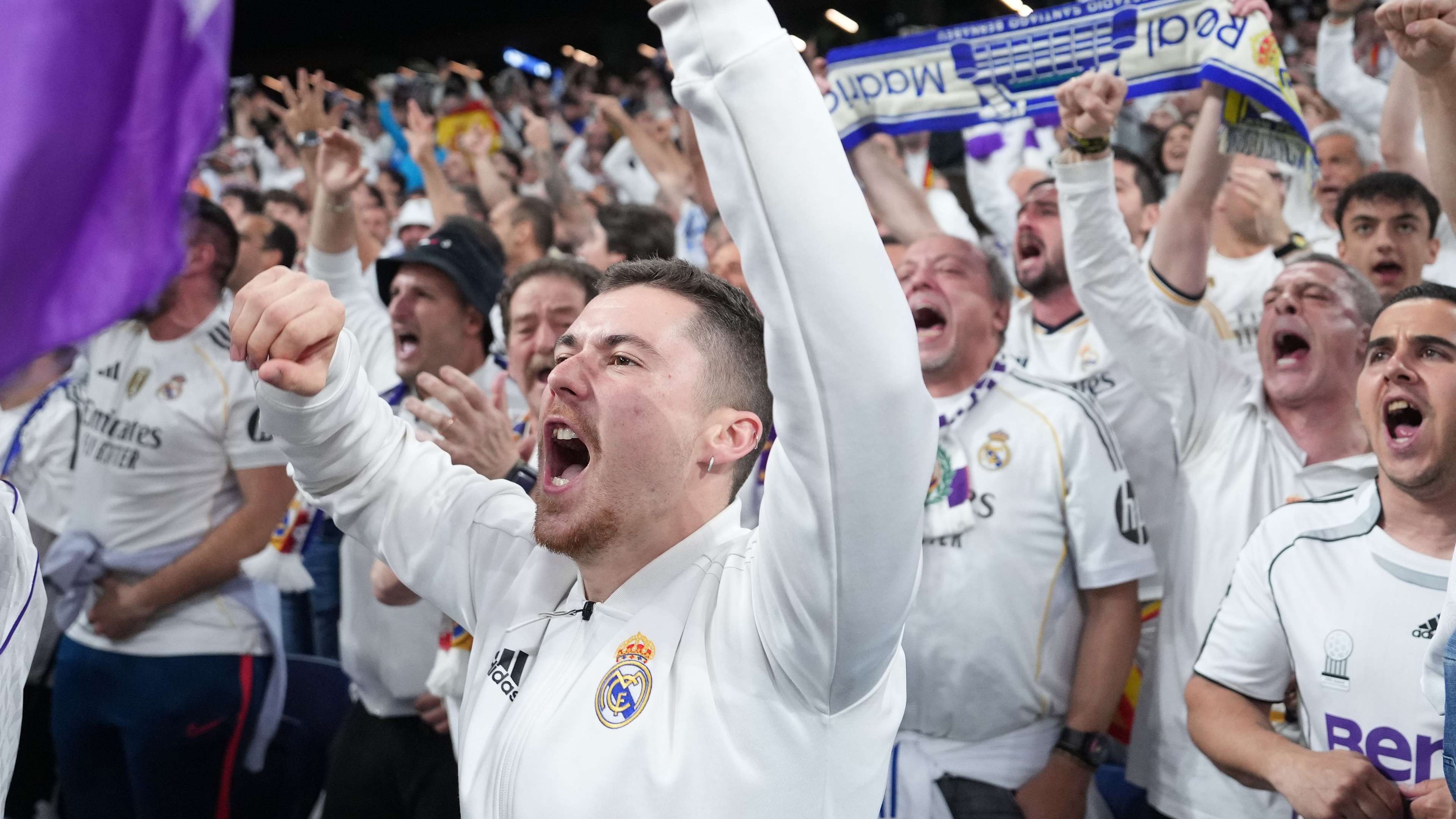
Real Madrid’s difficult spell has grown more tense during the international break, with supporters preparing to make their frustration heard before Saturday’s La Liga meeting with Villarreal. The planned demonstration at the Santiago Bernabéu is expected to focus on three prominent figures: Kylian Mbappé, Vinícius Júnior and club president Florentino Pérez.
The protest, promoted on social media under the slogan “Boos at the Santiago Bernabéu: The Bernabéu Speaks,” reflects wider concerns about the team’s performances, the conduct of individual players and the direction of the club. But Spanish journalist Josep Pedrerol has sharply criticised the timing of the planned reaction, arguing that booing Real Madrid before a match could benefit their rivals.
Mbappé’s recovery plans become a talking point
Mbappé has been at the centre of the latest controversy. According to Spanish outlet Sport, the forward spent part of the international break in France and Switzerland with his partner, Ester Expósito, rather than concentrating entirely on recovering from physical problems.
One widely shared image showed Mbappé riding a bicycle. That sparked particular criticism because cycling had reportedly been prohibited as part of his recovery arrangements. Coach José Mourinho was cited in an interview discussing the restriction, adding to the debate over whether the player had followed the guidance given to him.
The episode has arrived at a sensitive moment for Real Madrid. When a team is struggling, supporters tend to scrutinise more than results: training choices, fitness updates and public appearances can all become part of the conversation. For some fans, the bicycle image symbolised a perceived lack of discipline. Others may see the criticism as excessive, especially without a full account of the player’s medical advice or recovery schedule.
That distinction matters. A photograph can fuel a story, but it does not necessarily explain the full context of an athlete’s rehabilitation. Even so, the reaction shows how little patience remains among sections of the Madrid support as the club attempts to steady its season.
Pedrerol questions the protest’s timing
Speaking on El Chiringuito, the programme hosted by Pedrerol, the journalist argued that public criticism before kick-off could undermine Real Madrid at a crucial point. He suggested that Barcelona supporters would welcome the sight of Madrid fans turning against their own players.
“Barcelona’s fans should thank Real Madrid’s fans a great deal for booing their own team’s players,” Pedrerol said. He added that Barcelona president Joan Laporta would be pleased to see the Bernabéu crowd direct its anger at Madrid’s squad, because such division could work in Barcelona’s favour.
Pedrerol went further, questioning whether those planning to boo the players were genuinely supporting Real Madrid. “It seems to me that they are Barcelona fans,” he said. The remark was deliberately provocative, reflecting his view that criticism should be directed at the right moment rather than allowed to disrupt the team before the match has begun.
His argument is not that supporters should remain silent regardless of what happens. Instead, he drew a line between a pre-match protest and a reaction to what unfolds on the pitch. If players fail to compete or the team appears unable to respond, he believes the crowd has every right to express its displeasure.
Villarreal fixture could shape the mood
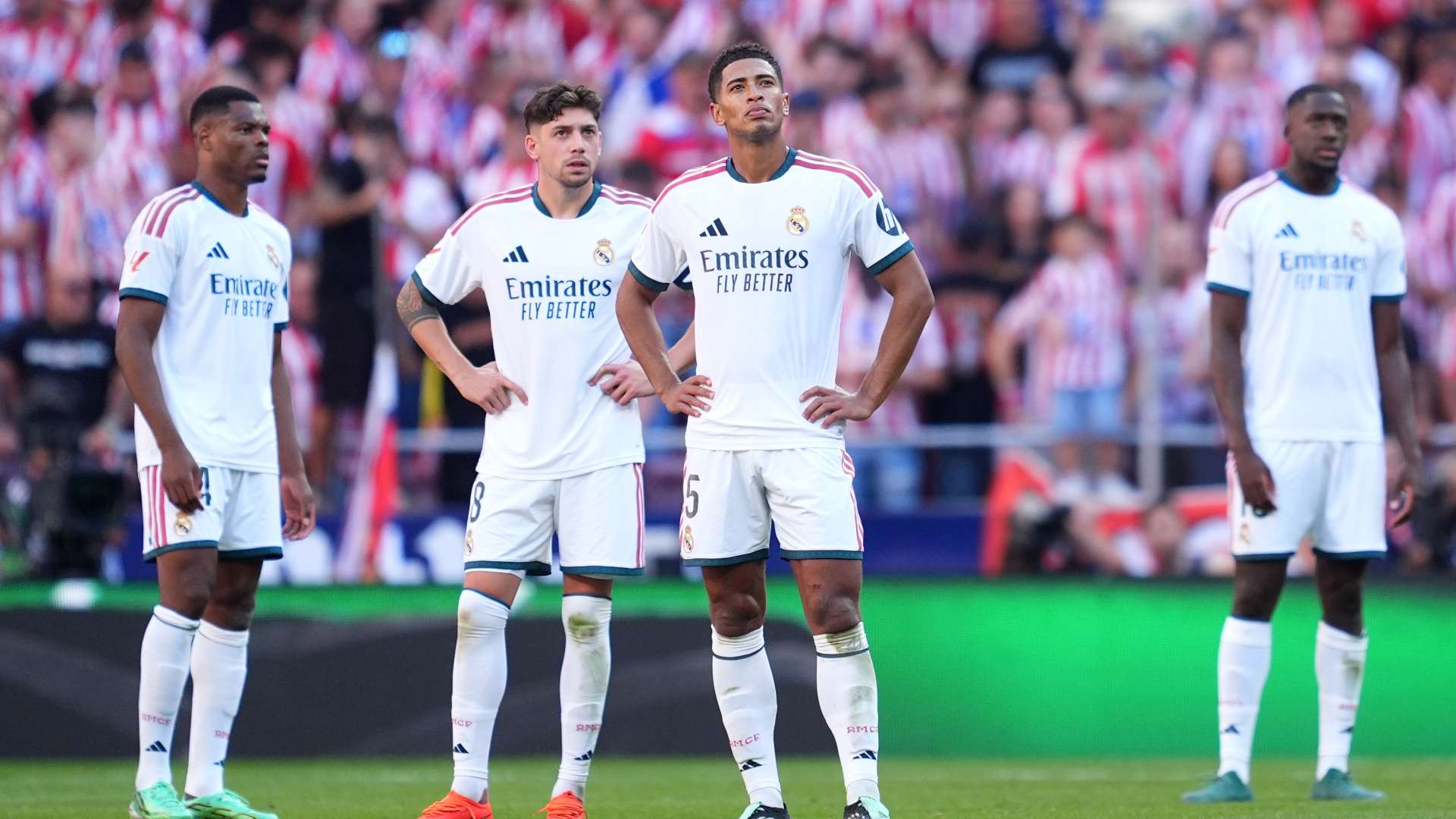
Saturday’s game against Villarreal therefore carries significance beyond the three points on offer. Real Madrid will need to manage the atmosphere as well as the football, with players facing the possibility of a hostile reception before the opening whistle. A strong start could help calm the crowd; a slow or disjointed performance may intensify the pressure.
Pedrerol described a late-game scenario in which the team is trailing, the result appears beyond reach and the players are not running as a different matter. In those circumstances, he said, he would not try to stop supporters from voicing their frustration. For him, the key issue is whether criticism responds to what fans see during the match, rather than weakening the team in advance.
That perspective highlights the complicated relationship between a club and its supporters. The Bernabéu crowd is known for demanding high standards, and its response can influence the emotional tone of a match. At the same time, players are expected to perform under pressure, particularly when results have fallen short of expectations. The debate is not simply about whether fans should boo; it is about when protest is most effective and what it can achieve.
Three figures in the spotlight
Mbappé’s reported recovery choices have made him a focal point, but the protest also names Vinícius and Pérez. Their inclusion suggests that the dissatisfaction extends beyond one incident or one player. Supporters may be questioning the squad’s overall effort, the club’s leadership and how Madrid’s current problems are being handled.
For Vinícius, scrutiny comes amid the intense attention that often surrounds one of the club’s most recognisable players. Pérez, meanwhile, represents the institution’s decision-making and long-term direction. When fans target both the president and leading players, the protest can be read as a broader expression of concern about the club’s sporting identity, not merely an emotional response to a single result.
Still, a demonstration does not guarantee a unified message. Some supporters may want to demand accountability, while others may fear that public hostility will make a difficult situation worse. The team’s response on the pitch is likely to influence which view gains momentum.
Prediction: pressure could define the opening minutes
Any football prediction for Real Madrid versus Villarreal must account for the atmosphere as well as the teams’ tactical plans. The protest could create a tense start, placing extra importance on Madrid’s concentration, intensity and ability to take control early. If the home side scores first and shows commitment, the mood may shift quickly. If the performance lacks urgency, the crowd’s frustration could become a major storyline.
For now, Pedrerol’s message is clear: judge the players by what they do during the match, and reserve the strongest reaction for a genuine failure to compete. Whether supporters agree or not, Saturday’s fixture will test both Real Madrid’s football and the bond between the team and the Bernabéu faithful.