
Portugal Faces a Commercial Turning Point After Cristiano Ronaldo’s Retirement
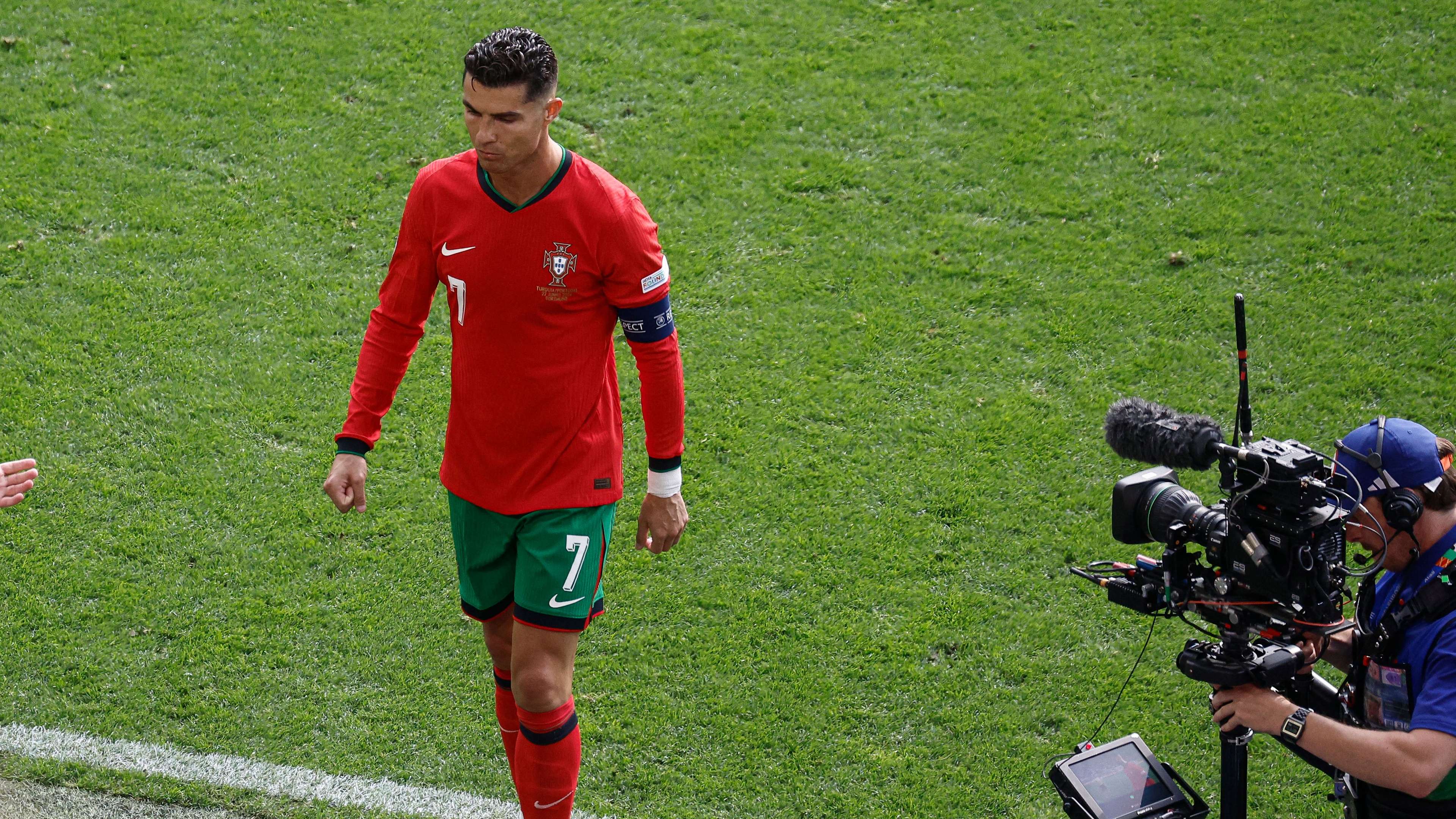
Cristiano Ronaldo’s retirement from international football would mark more than the end of an extraordinary playing career. For Portugal, it would also signal a major change in how the national team attracts global attention, sells merchandise and presents itself to sponsors. The challenge is not simply to replace a legendary forward on the pitch, but to sustain the commercial momentum built around one of sport’s most recognisable figures.
Sports marketing expert Daniel Sá, director of the Portuguese Institute of Marketing Administration (IPAM) in Porto, has described Ronaldo as the biggest individual asset ever associated with Portugal’s national team. Speaking to Spanish news agency EFE, Sá argued that the country has not lost its football product, but has lost an exceptional international amplifier for its image.
“The weight of the Cristiano Ronaldo brand in the international promotion of the national team is exceptional and difficult for any other Portuguese player to replicate in the short term,” Sá said. His assessment highlights the scale of the transition facing the Portuguese Football Federation (FPF): Portugal remains a leading football nation, but its most powerful individual marketing force can no longer be taken for granted.
What the €850 Million CR7 Valuation Means
A 2025 study by IPAM valued the marketing worth of the CR7 brand at approximately €850 million. That figure represents a reported 325% increase compared with 2020 and reflects the reach Ronaldo has built through elite performances, a long career at the top level and an immense social media following.
The study gave Ronaldo a score of 88 out of 100 on its sports reputation index, while he received a perfect score in the revenue and social media category. With more than one billion followers across platforms, Ronaldo has become a global communication platform in his own right—able to command attention far beyond the audience of a typical footballer.
The valuation should not be read as a direct estimate of money the FPF will lose when Ronaldo steps away. Brand value is not the same as federation revenue, and it does not mean that Portugal’s income will fall by €850 million. Instead, the figure illustrates the scale of Ronaldo’s personal influence and the promotional power he brought to the national team’s international profile.
Why a Financial Collapse Is Not the Likely Prediction
Despite the headline-grabbing valuation, Sá cautioned against predicting an immediate financial crisis for the federation. The effect of Ronaldo’s departure will depend on the source of each revenue stream, and existing sponsorship agreements are generally linked to the national team and the federation as an institution—not solely to one player.
Portugal’s continued participation in major tournaments, its established football reputation and the presence of other high-profile players will also help preserve commercial interest. Sponsors typically assess a package of rights, including team visibility, competition exposure, audience reach and association with the country’s football programme. Ronaldo has strengthened that package, but he is not the only reason it holds value.
“There will be an impact, but it is premature to say that there is a significant decline in the federation’s revenues without data to prove it,” Sá said. That distinction matters: the loss of a major promotional figure is clear, while the full financial consequences will only become measurable over time through sales, sponsorship renewals and audience demand.
Shirt Sales and Overseas Demand Could Feel the Change First
Two areas appear particularly exposed: merchandise sales and international demand for Portugal matches. Ronaldo’s number 7 shirt has become a global product, recognised by supporters well beyond Portugal. No new player can reproduce that level of demand overnight, even if they inherit the number or become a leading figure in the team.
Ticket sales at home may prove more resilient. Portuguese supporters have a strong connection to the national team that extends beyond any single player, and major fixtures will continue to draw interest. The outlook may be different overseas, where Ronaldo’s presence could itself be a reason for fans to buy tickets, follow a match or engage with Portugal’s brand.
That distinction gives the FPF a practical task: understand where attention is changing rather than assume that every part of its business will be affected equally. The federation may need to strengthen international storytelling, build new relationships with overseas supporters and promote Portugal’s next generation more consistently between major tournaments.
Why Portugal Should Not Search for “the Next Ronaldo”
Sá’s central recommendation is straightforward: “Do not look for the next Ronaldo.” A brand built through more than two decades of elite performance, titles, longevity, personality and worldwide visibility cannot be recreated by appointing a successor. Treating another player as a direct replacement could also place unrealistic expectations on someone whose career and appeal will naturally be different.
Instead, Portugal can shift its marketing focus from one superstar to a collective story. That narrative could spotlight the depth of the squad, the country’s football development system, its competitive identity and the ambition of emerging players. A group-led approach would give supporters more reasons to connect with the team while reducing reliance on a single personality.
This strategy also offers a stronger foundation for the future. Players rise and retire, but a recognisable national identity can endure across generations. By presenting Portugal as a team known for technical quality, resilience and ambition, the federation can build a brand that remains compelling regardless of who wears the captain’s armband.
A New Chapter for the Portugal Football Brand
The transition is two-sided. Ronaldo must demonstrate that the CR7 brand can continue to grow independently of the national team, while Portugal must show that its commercial appeal can remain strong without depending on him. Both have benefited from more than 20 years of association, creating what Sá described as a period of mutual value.
For the FPF, the most useful prediction is not that Portugal will suddenly lose its commercial standing, nor that Ronaldo’s influence can be replaced quickly. The more realistic outlook is a gradual adjustment. Merchandise and overseas attention may face pressure, while sponsorships and domestic support could prove more stable. The scale of any change will depend on Portugal’s performances, its visibility at major competitions and how effectively the federation tells its next story.
Ronaldo’s departure would close an extraordinary chapter in Portuguese football, but it would not erase the national team’s history or potential. The long-term test is whether Portugal can turn the reach of one iconic player into lasting value for the collective brand—and give supporters around the world new reasons to follow the team.