
Transavia Retires Seat 7C to Honour Cristiano Ronaldo’s Portugal Career
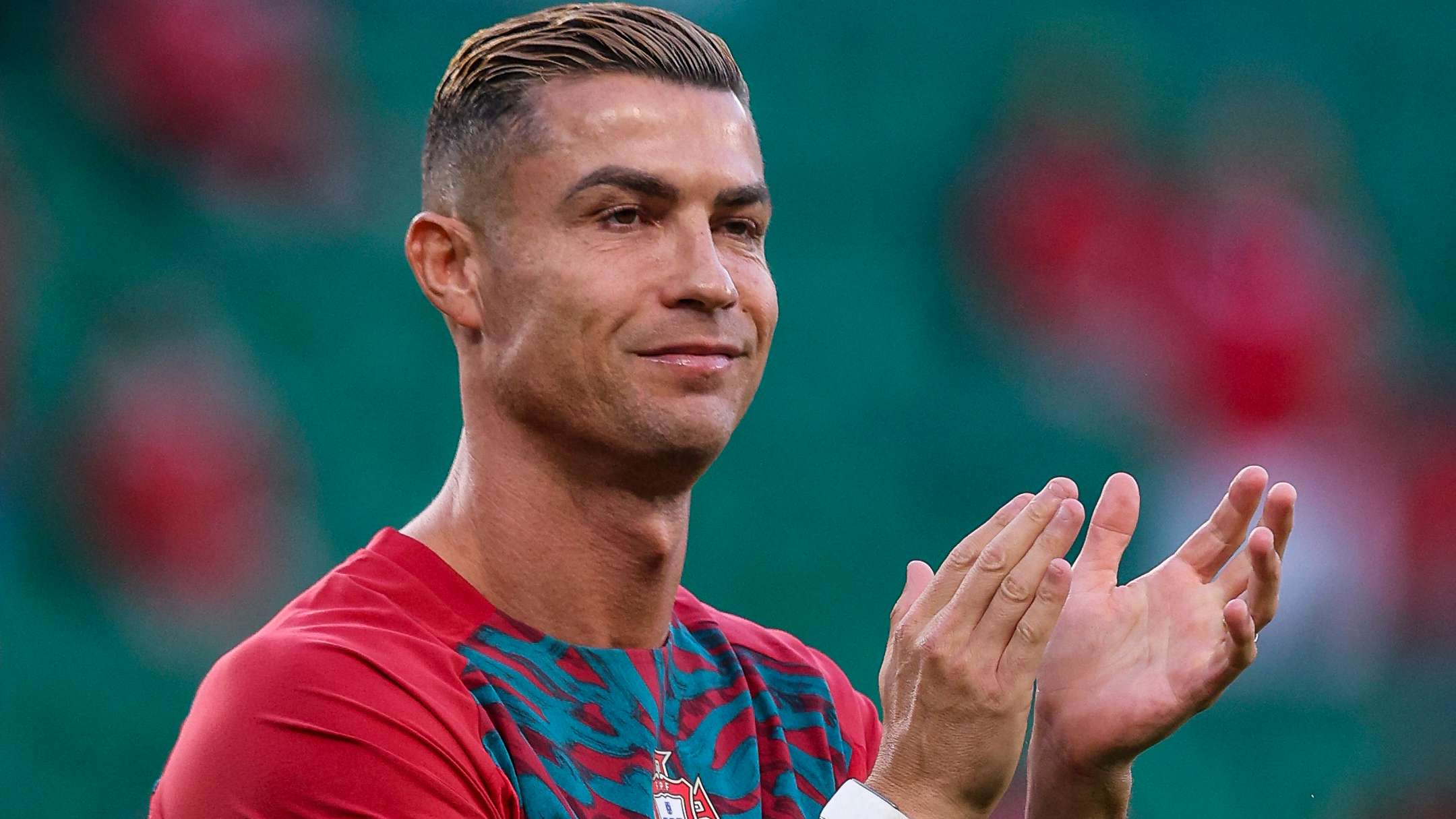
A Dutch airline has found an unusual way to pay tribute to Cristiano Ronaldo after the Portugal captain announced his retirement from international football. Transavia has temporarily withheld seat 7C on flights to Funchal, the Madeira city where the global football star was born—a symbolic gesture inspired by the famous number on his Portugal shirt.
The airline shared the tribute on its official Instagram account, posting a photograph of a Portugal number 7 jersey draped over an aircraft seat. Its message linked Ronaldo’s decision to end his international career with the airline’s own playful farewell: “CR7 is hanging up his boots, and our seat number 7C has also been withheld from our flights to Funchal.”
While the gesture is light-hearted, it connects two defining parts of Ronaldo’s story: the number he made iconic and the island that shaped his early life. Funchal is among roughly 110 destinations served by Transavia, but the carrier chose its route to Ronaldo’s birthplace to make the tribute especially personal.
A career that changed Portugal football
Ronaldo’s international retirement brings an end to a remarkable 23-year chapter with Portugal. During that time, he became the national team’s most recognisable figure and one of the most influential players in the history of international football. His career with the Seleção included major tournament triumphs, record-setting performances and a lasting impact on the country’s sporting identity.
Among the highlights were Portugal’s victory at Euro 2016 and its UEFA Nations League titles in 2019 and 2025. The Euro triumph was particularly significant: it delivered the country’s first major men’s international trophy and gave a generation of supporters a moment they had long hoped to see. Ronaldo’s role in Portugal’s journey, including his leadership and presence around the squad, helped make the achievement a defining episode in the team’s modern history.
His legacy is also measured in appearances, goals and longevity. Ronaldo remained a central figure for Portugal across multiple generations of players, competing at major tournaments over more than two decades. For fans, his number 7 became more than a shirt number—it became a shorthand for an era of Portuguese football.
Why the tribute is limited to an airline seat
Transavia’s decision to hold back seat 7C is a symbolic marketing gesture, not an official retirement of the number. The distinction matters: airlines can make playful choices about seat assignments, while national teams must operate within the rules governing international competition.
Portugal cannot simply withdraw the number 7 shirt because Ronaldo has retired. FIFA and UEFA regulations require teams to use eligible squad numbers within the permitted range and do not allow a national side to permanently reserve a number in honour of a former player. As a result, the Portuguese team must continue to follow those rules, even when a number carries enormous emotional significance for supporters.
That contrast helps explain why the airline’s tribute has attracted attention. Transavia can create a visible, memorable gesture without being bound by football’s squad-number requirements. By linking 7C to CR7 and choosing flights to Funchal, it has turned a routine seat assignment into a small tribute to a major sporting figure.
Funchal and the story behind CR7
Ronaldo’s connection to Madeira remains an important part of his public story. Born in Funchal, he rose from local beginnings to become one of the most recognisable athletes in the world. His success has brought international attention to the island, while his name and image have become closely associated with Madeira’s identity and tourism appeal.
That makes the route choice more than a convenient detail. A tribute on a flight to Funchal places the gesture in the setting where Ronaldo’s journey began, rather than treating his retirement as a generic sporting headline. For passengers travelling to the city, seat 7C may serve as a reminder that the story of an international icon started far from the biggest stadiums and global stages.
What comes next for Portugal?
Ronaldo’s departure from international football will inevitably prompt questions about Portugal’s next phase. The team has developed a deep pool of talent, but replacing a player with his experience, profile and long-standing influence is not a straightforward task. The challenge will be to build a new identity while preserving the ambition and standards associated with the team during his era.
For supporters following Portugal’s upcoming fixtures, any football prediction about the team’s future will need to account for that transition. Results will depend not only on individual talent but also on how the squad adapts tactically, shares leadership responsibilities and makes the most of its emerging players. Ronaldo’s retirement closes one chapter; it does not determine what Portugal can achieve next.
Transavia’s reserved seat is unlikely to match the scale of Ronaldo’s achievements, but it offers a memorable way to mark the moment. The number 7 will remain part of football culture, and Portugal’s regulations mean it can still appear on the national team’s shirts. Yet for one route to Funchal, 7C now carries an extra meaning: a small, airborne salute to the player known around the world as CR7.