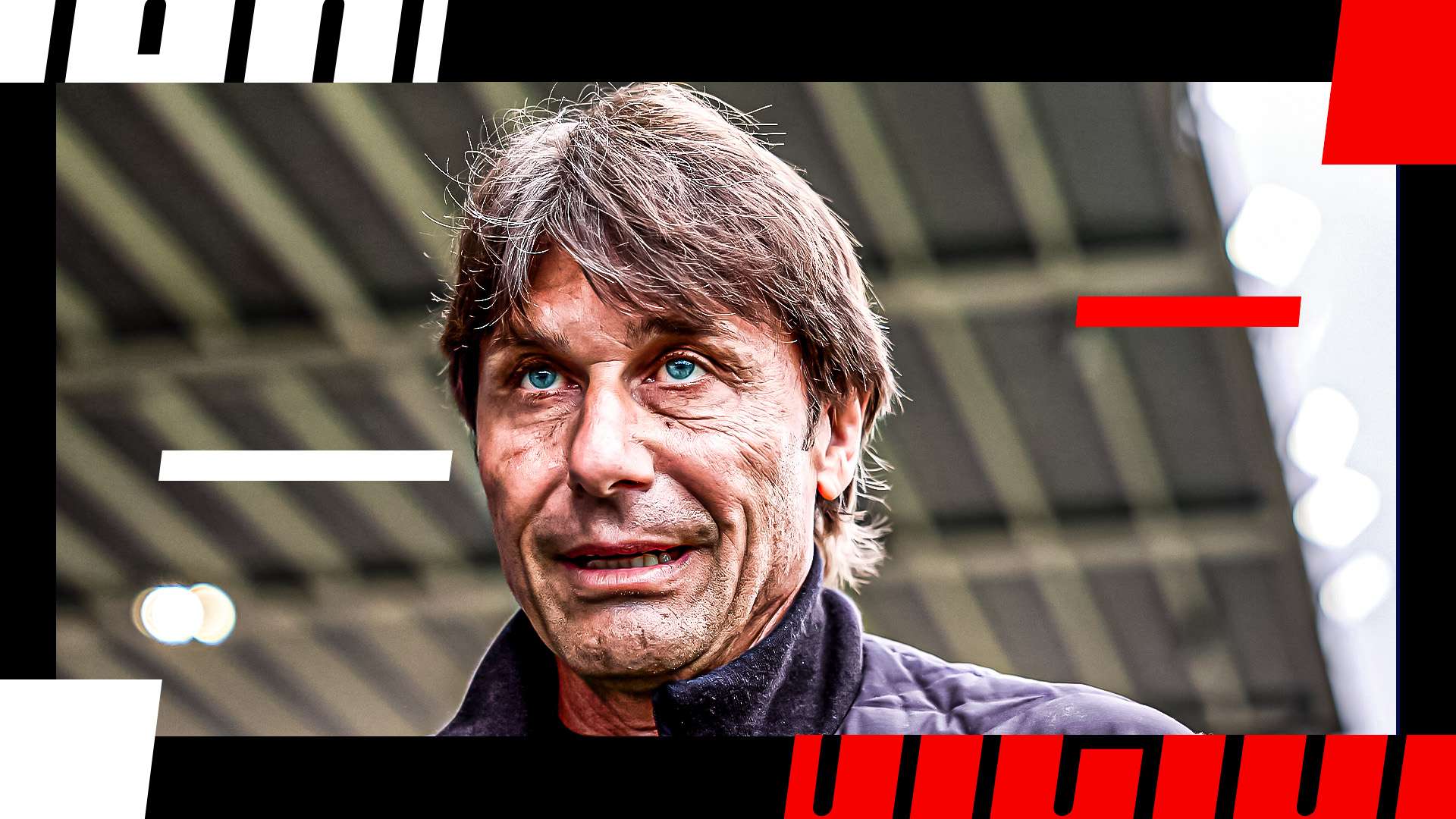

AC Milan Executive Search: Why Piero Ausilio Has Emerged as a Transfer Candidate
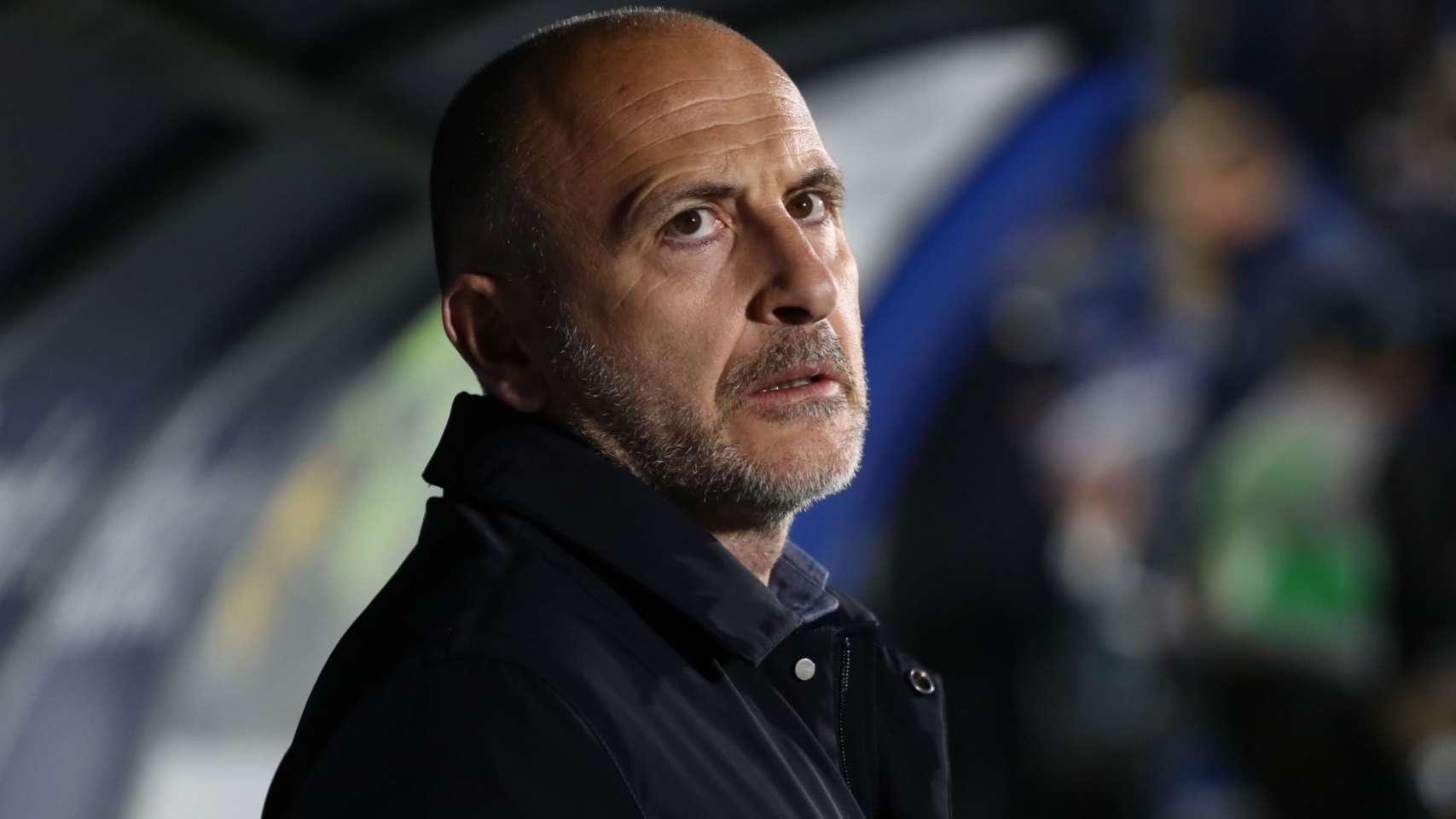
AC Milan may need more than a coach to shape their next phase. Journalist Carlo Pellegatti believes the club should appoint an experienced football executive to work alongside Ruben Amorim, support the management of the squad and potentially take responsibility for transfer planning. His preferred candidate is Piero Ausilio, the former Inter sporting director who is currently unattached.
Pellegatti reiterated his view during an appearance on Radio Sportiva, renewing a discussion that could attract attention across Milan. Ausilio’s long association with Inter makes the suggestion particularly striking: he is a familiar figure in the city’s football landscape, but one whose possible arrival at Milan would represent a major change of allegiance.
Why Milan May Want a Dedicated Football Executive
A modern club’s sporting structure involves far more than signing players. Executives help build a coherent squad, balance immediate results with long-term planning, negotiate transfer fees and contracts, and maintain communication between the coaching staff and the board. When those responsibilities are spread across several departments, decision-making can become slow or inconsistent.
Pellegatti’s proposal appears to reflect a view that Amorim would benefit from a senior partner focused on the club’s football operations. A head coach can identify tactical needs and develop players, but an executive can turn those priorities into a workable recruitment strategy. That division of responsibility may be especially valuable during a busy transfer window, when clubs must assess targets, manage departures and respond quickly to competition from rivals.
For Milan, the challenge would be to ensure that any new appointment complements the existing structure rather than creating uncertainty about who has the final say. A clearly defined role could help connect the coach’s plans with the club’s financial limits and long-term objectives. Without that clarity, even a respected appointment might struggle to make a meaningful difference.
What Piero Ausilio Could Bring to the Role
Ausilio’s name carries weight because of his extensive experience in Italian football and his years working at Inter. That background could offer Milan a candidate familiar with the demands of building a competitive squad in Serie A, where recruitment decisions must account for tactical fit, financial sustainability and the pressure to deliver results.
His experience would also be relevant to the practical side of a transfer operation. Successful recruitment is not simply about identifying talented players; it requires finding attainable targets, negotiating effectively and planning for different outcomes. A sporting executive must be prepared for a preferred deal to fall through, a key player to attract interest or a squad position to become urgent late in the window.
Those skills could help Milan create greater continuity between transfer periods. Instead of rebuilding the squad in response to short-term problems, a well-organised recruitment department can anticipate future needs, monitor emerging players and coordinate contract decisions with the team’s development. That approach can reduce the risk of expensive, reactive business.
The Inter Connection Adds Intrigue
The suggestion is bound to generate conversation because Ausilio is so closely associated with Inter, Milan’s city rivals. A move from one side of the rivalry to the other would be unusual, and the symbolism could be as significant as the football implications. Supporters would naturally ask whether his past experience at Inter could translate into success at Milan—and whether his appointment would be welcomed by the club’s fan base.
At the same time, a professional’s previous affiliation does not automatically determine how effective they can be elsewhere. Football executives regularly change clubs, and their value is ultimately judged by the quality of their decisions, their ability to work within a new environment and the results of the sporting project they help build. If Milan were to consider Ausilio, the club would need to assess his ideas, working relationships and suitability for its own structure rather than rely on reputation alone.
How an Executive Could Support Ruben Amorim
For a coach, a trusted executive can be an important sounding board. The two can discuss which positions need strengthening, which players suit the proposed system and how much squad change is realistic. That partnership may help prevent a mismatch between the coach’s tactical requirements and the players the club is able to recruit.
It can also protect the club’s longer-term planning. Coaches may face pressure to improve results immediately, while executives must consider the financial and sporting consequences of decisions over several seasons. When both roles communicate effectively, Milan could pursue short-term competitiveness without losing sight of squad balance, player development and future transfer value.
Such cooperation would be particularly important if Amorim is expected to introduce new tactical ideas. A change in playing style can affect several positions at once, making recruitment more complex. Milan would need to identify players who can adapt to the coach’s methods while avoiding a transfer strategy that depends too heavily on a single system or a narrow group of targets.
Transfer Prediction: What Happens Next?
For now, Pellegatti’s comments should be treated as an opinion rather than confirmation that Milan are negotiating with Ausilio. No appointment has been announced, and the journalist’s preference does not establish that the club has made a formal approach. The possibility nevertheless highlights a wider question: does Milan believe its current sporting leadership is equipped to manage the next stage of the project?
Transfer prediction: Milan are likely to keep evaluating how responsibilities are divided between the coaching staff and the club’s executives before making any major appointment. Ausilio is an intriguing name because of his experience, but the decisive factors would be the scope of the role, the club’s recruitment priorities and whether both sides share a vision for building the squad.
If Milan do appoint a senior football executive, supporters should look beyond the headline name and focus on the structure that follows. Clear authority, effective collaboration with Amorim and a consistent transfer policy would matter more than the initial excitement surrounding any candidate. An experienced executive could help Milan make smarter, more coordinated decisions—but only if the club gives that person the mandate and resources to do the job.
Why the Decision Matters for Milan’s Future
AC Milan’s next steps will shape more than one transfer window. A strong sporting structure can influence recruitment, contract management, squad depth and the club’s ability to respond when plans change. Pellegatti’s support for Ausilio has therefore reopened a broader debate about the kind of leadership Milan need around Amorim.
Whether Ausilio becomes a genuine candidate or remains a name suggested by the journalist, the underlying issue is clear: Milan must align its coaching ambitions with its transfer strategy. If the club can establish that connection, it will be better placed to build a balanced squad and compete consistently. If it cannot, even promising signings may fail to form a coherent team.