
Como Face Feyenoord as Cesc Fabregas Defends Nico Paz
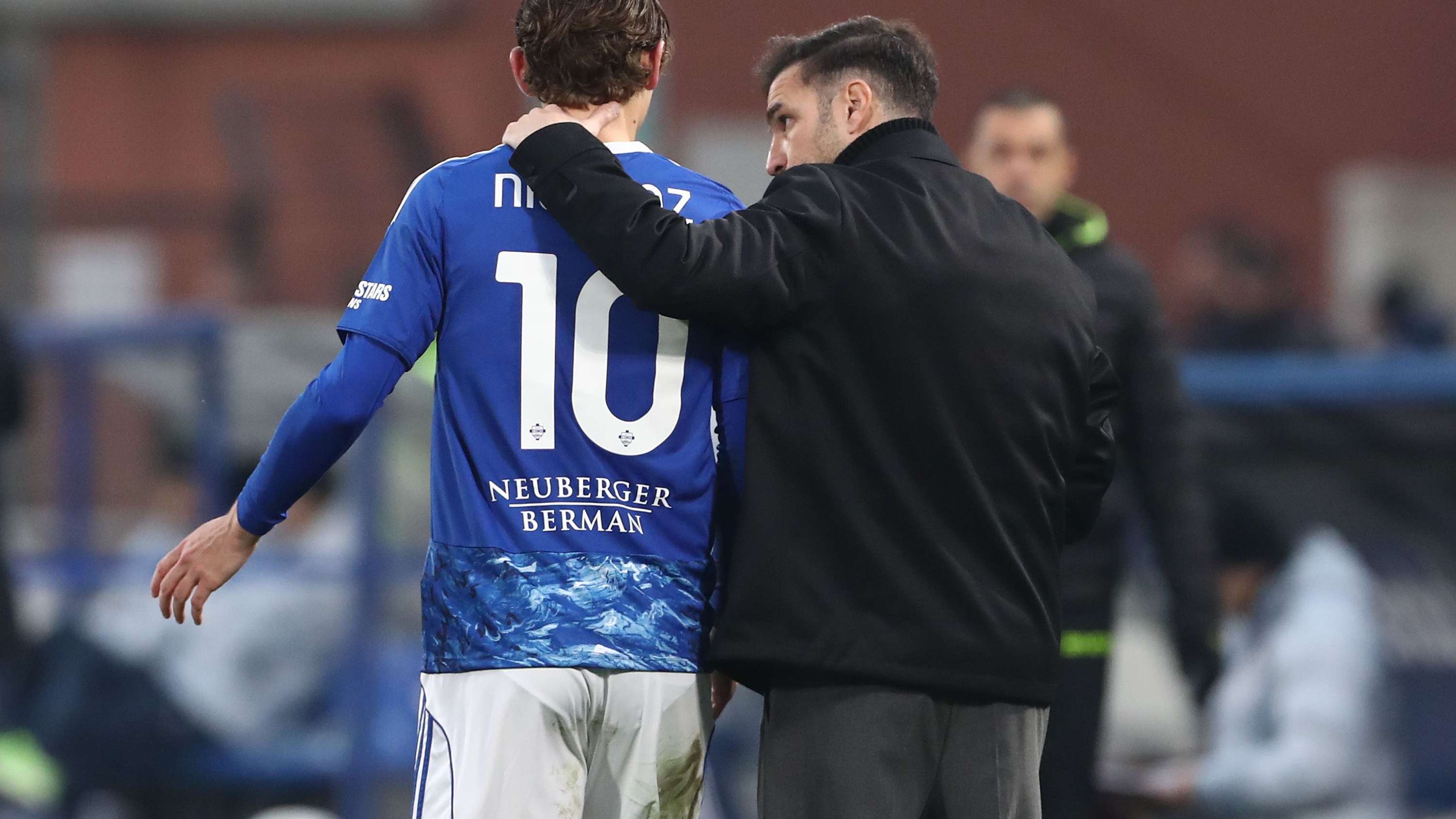
Como’s preparations for their second Champions League league-phase fixture have been accompanied by a familiar off-field talking point: the scrutiny surrounding Nico Paz. Ahead of the meeting with Feyenoord, head coach Cesc Fabregas used his pre-match press conference to push back against criticism of the young midfielder’s recent output, particularly comparisons with his goal contribution from a year ago.
The attention reflects the expectations that have gathered around Paz. A player who has shown the ability to influence matches naturally attracts close analysis, but Fabregas suggested that judging him primarily by goals and assists gives an incomplete picture of his value. As Como prepare for a demanding European test, the coach’s message was clear: the team needs more than a headline statistic from one player.
Fabregas challenges the focus on goal numbers
Questions about Paz’s reduced contribution in front of goal have become difficult to avoid. His performances are being measured against a more productive spell last season, creating a narrative that can make any quieter run look like a decline. Fabregas, however, appeared reluctant to accept that framing without considering the wider context of Paz’s role and the demands placed on him.
Goals are an obvious measure of attacking influence, but they do not capture every part of a midfielder’s work. A player may help create space, progress possession, connect the defence with the forwards or draw opponents away from teammates without appearing on the scoresheet. Those contributions can be especially important against a side that presses aggressively and tries to disrupt a team’s rhythm.
Fabregas’s defence of Paz also points to the pressure young players can face when early success raises expectations. Once a footballer has demonstrated a high level, supporters and commentators may treat that standard as the minimum rather than as evidence of potential. The result is that development can be judged through short-term output instead of the more gradual process of adapting, learning and becoming consistent.
Why the Feyenoord match matters for Como
The Champions League league phase gives Como another opportunity to test themselves against established European opposition. Facing Feyenoord is not simply a chance to collect points; it is a measure of how effectively the Italian side can manage pressure, make decisions quickly and maintain its shape when an opponent attempts to seize control.
Feyenoord are likely to make the contest physically and tactically demanding. Teams that press with intensity can force rushed passes, while quick transitions can punish any loss of concentration. For Como, staying composed in possession and choosing the right moments to attack may be just as important as creating a high volume of chances.
That context could shape how Paz is used. If Como need to play through pressure, his composure and ability to link play may be valuable even if his role does not lead directly to a shot. If the match opens up, he may have more opportunities to arrive in dangerous areas or contribute to the final pass. His influence could therefore depend on the flow of the game rather than on a fixed expectation that he must score.
Reading Paz’s performance beyond the scoreboard
For supporters following the match, it may be useful to look beyond goals when assessing Paz’s contribution. How often does he offer a passing option between the lines? Can he help Como retain possession when Feyenoord press? Does he move defenders out of position or create room for a teammate to advance? These details can reveal whether he is helping the team even when his name is absent from the match’s decisive moments.
That does not mean attacking output is irrelevant. Como will want their creative players to turn promising positions into goals, and Paz will be expected to contribute when opportunities arise. But there is a difference between recognising the need for improvement and treating a temporary dip in numbers as proof that a player has lost his influence. Fabregas’s comments suggest he wants the discussion to account for both sides.
There is also a broader coaching challenge at work. Fabregas must support an individual player while ensuring that the team remains the focus. Publicly defending Paz can ease some of the pressure, but the midfielder will ultimately be judged by his performances and by how well he fits into Como’s collective plan. The most convincing response to outside criticism would be a strong team display in which his contribution is clear, whether or not it ends with a goal.
Como’s tactical priorities and match prediction
Como’s prospects against Feyenoord may depend on their ability to balance ambition with discipline. Committing too many players forward could leave space for counterattacks, while sitting too deep might invite sustained pressure. The hosts will need to choose their moments carefully, support the ball carrier and make sure that attacking moves are backed by an organised defensive structure.
Set pieces and transitions could also prove important. In a close European match, a well-delivered corner, a quick break or a single mistake can change the result. Como will need concentration across the full contest, particularly when possession changes hands. Feyenoord’s ability to turn defensive pressure into immediate attacking momentum makes those moments especially significant.
Any football prediction for this fixture should therefore account for more than reputation or recent goal statistics. Como have the opportunity to show that they can compete through structure, energy and intelligent use of the ball, while Feyenoord will look to impose their tempo. A tight match is a reasonable expectation if Como remain compact and avoid giving their opponents easy chances, though the visitors’ experience and pressing quality could make the challenge difficult.
For Paz, the encounter offers a chance to answer questions in the most direct way available: through his performance on the pitch. He does not necessarily need to score to demonstrate his importance, but a decisive contribution would naturally shift attention away from comparisons with last season. More broadly, the match gives Como a chance to show that their European ambitions rest on a collective effort rather than the output of one player.
A test of perspective as well as performance
Fabregas’s response to the criticism highlights a recurring issue in modern football coverage: the tendency to reduce complex performances to easily counted numbers. Goals matter, but so do movement, decision-making, defensive work and the ability to help a team function under pressure. Paz remains a prominent figure because expectations are high, yet the Feyenoord game should be viewed as one step in a longer season rather than a final verdict on his form.
Como now have the chance to turn the pre-match conversation toward the football itself. A disciplined performance, effective transitions and contributions from across the squad would strengthen their position in the Champions League league phase. Whether Paz finds the scoresheet or influences the match in less obvious ways, Fabregas will be hoping the team’s overall display provides the clearest answer to the scrutiny surrounding his young midfielder.