
Antonio Conte Reportedly Open to Manchester United Job as Managerial Speculation Grows
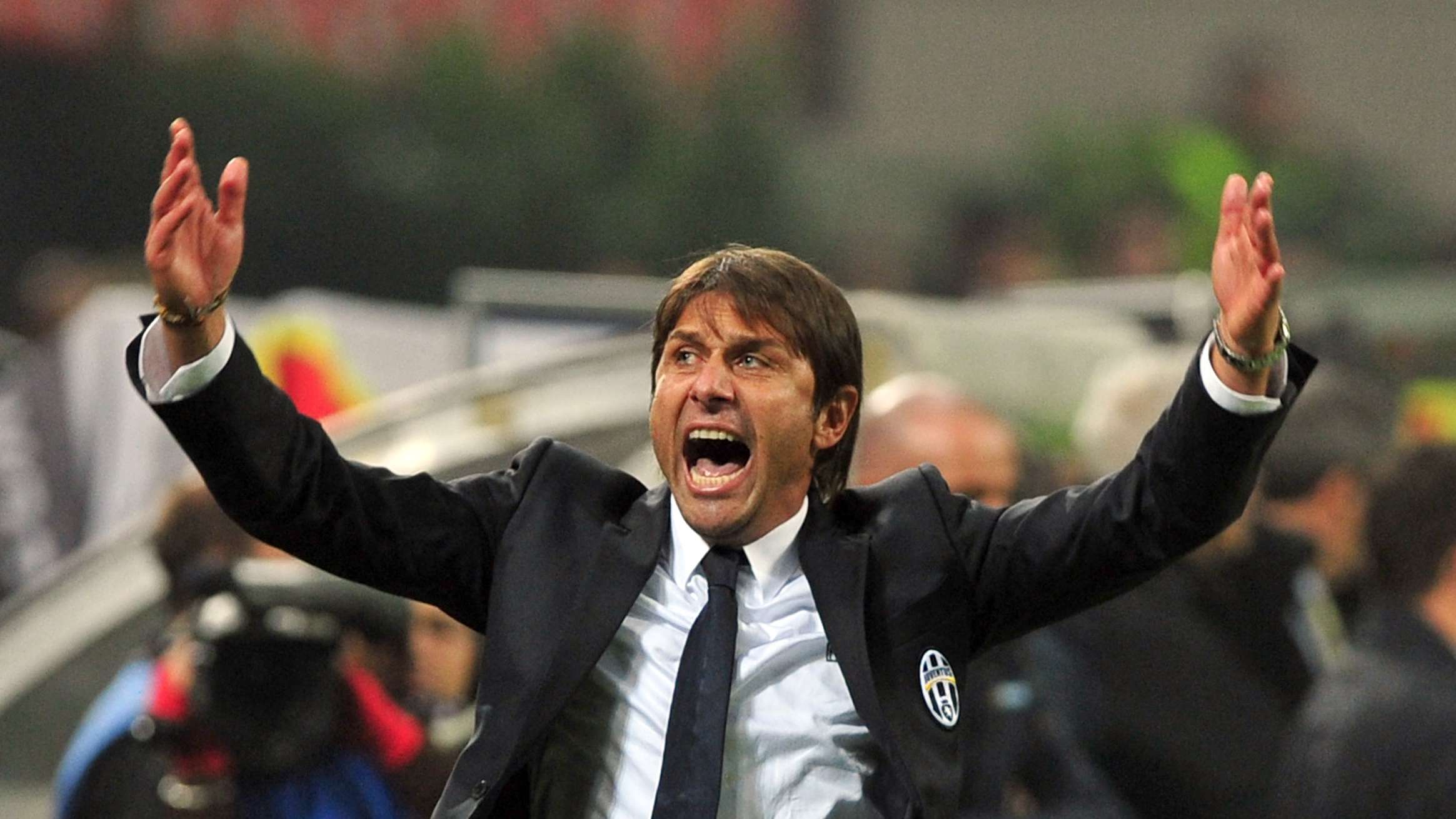
Antonio Conte is reportedly willing to consider becoming Manchester United manager if the position becomes available during the 2026–27 campaign. The Italian coach, currently without a club after leaving Napoli, is believed to be interested in returning to the highest level of European football—and a vacancy at Old Trafford could present one of the most prominent opportunities in the game.
The possibility remains speculative. There is no confirmed appointment, formal agreement or guarantee that Manchester United will make a change during the season. However, the report has added another layer to the ongoing discussion about the club’s direction, the demands placed on its head coach and the type of leadership needed to deliver consistent results.
Why a Manchester United Move Could Appeal to Conte
Conte has built his reputation on taking ambitious clubs into serious contention. Across his career, he has managed prominent teams in Italy and England, including Juventus, Chelsea, Inter Milan, Tottenham Hotspur and Napoli. His teams are typically associated with intensity, disciplined organisation and a clear tactical identity—qualities that could appeal to a club seeking greater consistency.
Manchester United remains one of football’s most recognisable institutions, with a global following and expectations that extend well beyond qualifying for European competition. For a coach of Conte’s profile, the attraction would be clear: the chance to work with elite players, compete for major honours and attempt to restore a club that has struggled to match its historic standards in recent years.
Conte is also known for preferring projects with immediate ambition. Rather than treating a major appointment as a long-term rebuilding exercise alone, he generally expects a squad capable of competing and a club prepared to support his plans. That makes the circumstances surrounding any potential United vacancy just as important as the identity of the candidate.
What Conte Could Bring to United
One of Conte’s defining strengths is his ability to impose structure. His sides often rely on coordinated pressing, compact defensive distances and carefully rehearsed movements in possession. Depending on the players available, he has frequently used a back three, with wing-backs providing width and central midfielders responsible for controlling transitions.
That approach could offer Manchester United a more recognisable football blueprint. A settled tactical system can help players understand their responsibilities, particularly during difficult spells when confidence and results are under pressure. Conte’s demanding training methods and forceful communication style may also appeal to supporters who want to see greater urgency and accountability from the team.
His track record includes domestic league success and major trophies, although his methods have not suited every club or squad. Conte’s teams can be highly effective when their roles are clearly defined, but his preferred formations and intense demands may require significant adjustments. United would need to assess whether its current personnel fit his ideas—or whether a substantial recruitment programme would be necessary.
The Challenges of a Conte Appointment
Taking charge at Old Trafford would bring considerable scrutiny. Manchester United’s manager is expected to handle the pressure of a global spotlight while navigating a demanding fixture schedule, strong competition in the Premier League and expectations of progress in cup competitions. Any new coach would also have to work within the club’s wider sporting structure and establish a productive relationship with decision-makers.
Conte’s career suggests that alignment between coach and club is crucial. His direct style can generate a powerful sense of purpose, but it can also create tension if expectations over transfers, squad depth or long-term planning are not shared. Before any appointment, United would need clarity on recruitment priorities, the authority given to the manager and the timeline for judging success.
There is also the question of squad suitability. A system built around wing-backs, for example, requires players who can contribute both defensively and in attack over sustained periods. Central defenders must be comfortable operating in a structured unit, while midfielders need the stamina and tactical discipline to protect the team during transitions. Conte could adapt, but the quality and balance of the squad would shape how quickly his ideas could take hold.
Why the Timing Matters
The suggestion that Conte may be open to the job during the 2026–27 season is significant because an in-season appointment can be especially difficult. A coach arriving after the campaign has begun may inherit a squad assembled for a different tactical plan, limited time on the training ground and immediate pressure to produce results. The mid-season window can offer opportunities to address weaknesses, but major changes are rarely straightforward.
For United, the first priority would be determining whether a managerial change is necessary at all. Results alone do not always tell the full story: performance levels, player development, dressing-room confidence and progress toward agreed objectives also matter. A decision made without a clear assessment could create further instability, while a carefully planned transition might provide a better chance of sustained improvement.
Manchester United Manager Prediction: A Possibility, Not a Done Deal
As things stand, Conte’s reported openness should be treated as an indication of potential interest rather than evidence that he is close to taking the job. Managerial rumours often gather momentum whenever a high-profile coach is available and a major club faces questions about its future. Until the club confirms a vacancy or discussions become public, any prediction about the next United manager remains uncertain.
Still, Conte is a credible name to consider because his experience, trophy record and demanding approach fit the profile of a coach capable of making an immediate impact. Whether he would be the right choice depends on more than reputation. United would need to decide if it wants his tactical model, whether the squad can support it and whether both sides share the same expectations for recruitment and results.
For supporters following the latest football news, the report raises a broader question: should Manchester United prioritise a proven winner who can impose a clear identity quickly, or choose a coach better suited to a longer-term project? Conte’s availability could make that debate more urgent if the managerial position opens up. For now, however, his possible arrival remains a developing story—and any firm prediction will depend on events at Old Trafford during the 2026–27 campaign.