
Alexandre Pato Reflects on AC Milan Injuries and a Difficult Barcelona Match
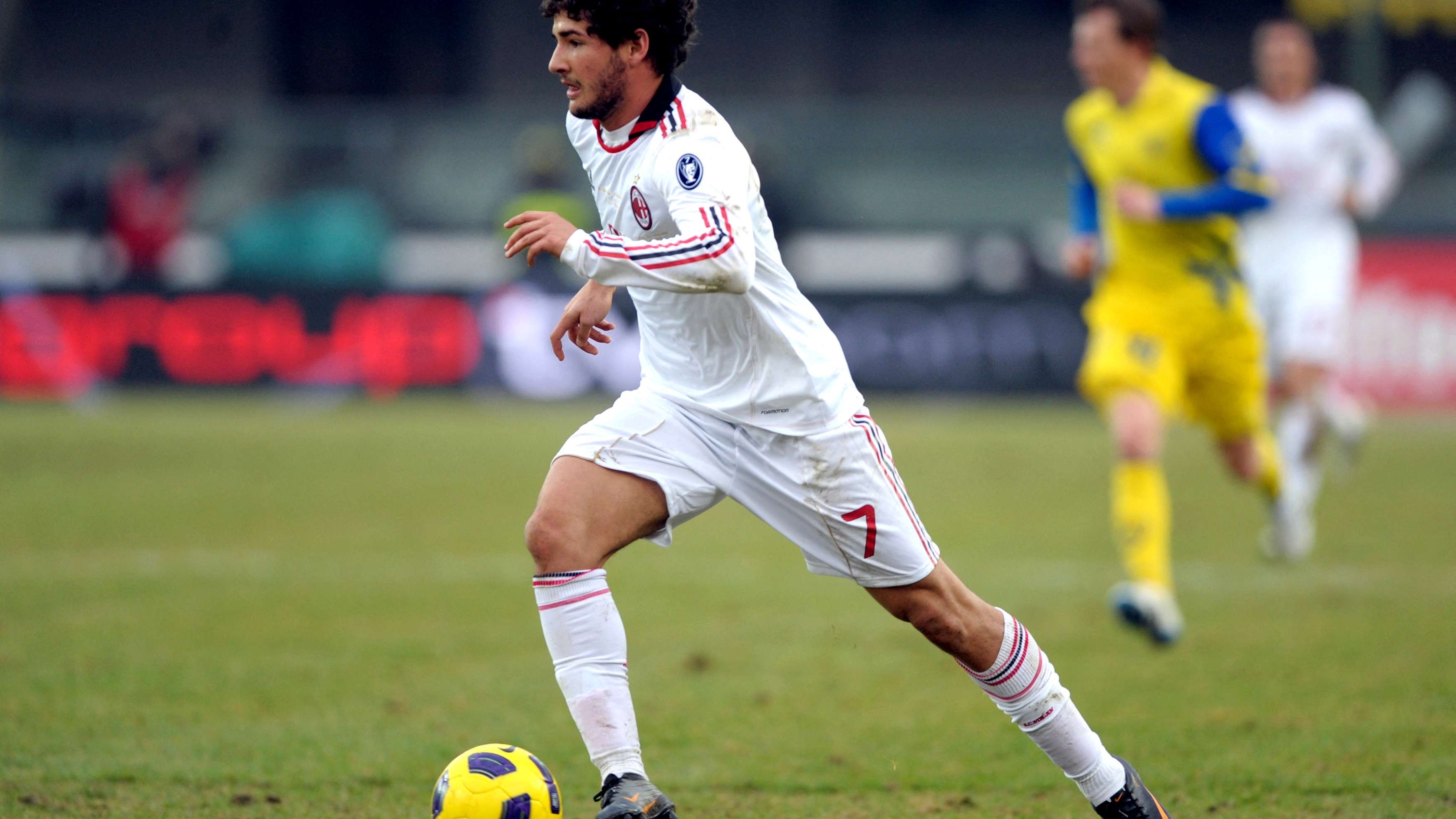
Former AC Milan forward Alexandre Pato has opened up about the injuries that disrupted his career in Italy, describing a demanding trip for medical tests that left him questioning how his fitness was managed. Speaking to Luca Toni on Prime’s special feature “Fenomeni,” Pato recalled a period when he was sent to Atlanta for a week of examinations, trained for only one day, and then travelled back to Europe before being selected for a match against Barcelona.
The Brazilian’s account offers a personal look at the pressures surrounding elite football: the expectation to return quickly, the importance of communication between medical staff and coaches, and the uncertainty players can face when injuries keep them away from the pitch. Pato stressed that he remains grateful to Milan, but said he believes the situation could have been handled differently.
A long journey before a high-profile fixture
Pato said the trip to Atlanta involved roughly 12 hours of flying each way. After spending a week there for tests, he returned to Europe and was scheduled to play against Barcelona the following day. He had managed just one training session during the entire period.
During the match, Pato stretched out his leg and felt a problem in his flexor muscle. The episode became a painful memory—not only because of the injury itself, but because of the circumstances leading up to it. In his view, a week with almost no training, combined with two long-haul flights, made the immediate return to competition especially challenging.
Former Milan defender Alessandro Nesta was reportedly furious after the game, telling Pato in the dressing room that he should not have been asked to play. The reaction reflected a concern familiar to many professional athletes: a player’s eagerness to return does not necessarily mean the body is ready for the intensity of a major fixture.
Pato’s criticism is balanced by gratitude to Milan
Despite his disappointment, Pato was careful to acknowledge the role AC Milan played in his career. He said he has enormous respect for the club and believes Milan gave him a great deal. His comments were not presented as a rejection of his time at San Siro, but as a candid reflection on one aspect of a difficult period.
That distinction matters. Pato arrived at Milan as one of football’s most exciting young forwards, and his early performances generated enormous expectations. When recurring physical problems interrupted his progress, the contrast between his promise and his availability became a major talking point. His latest remarks add a personal dimension to a story often discussed through statistics, transfer news and match reports.
In modern football, injury management is a complex process involving doctors, physiotherapists, coaches and the player. Travel, workload, recovery time and match demands all need to be considered. Pato’s recollection highlights why a clear return-to-play plan is important, particularly after a long journey or a period away from regular training. A player may feel pressure to prove his fitness, while a club may be balancing immediate results with long-term health.
The words that stayed with him
The most painful part of Pato’s story was not the Barcelona match. He said he had never previously spoken publicly about hearing people at the club suggest that he would never play again. For a young footballer dealing with repeated injuries, such comments could be deeply discouraging—especially when his career and identity were closely tied to performing on the pitch.
Pato also recognised the business realities of professional sport. Clubs must make decisions about squad planning, contracts and replacements, and a player who cannot play may see another teammate take his place. But understanding that reality does not make it easy to hear doubts about one’s future, particularly when the player is still trying to recover and return to form.
At the time, Pato said, he was young and did not know how to respond. He felt unable to speak openly, partly because he did not yet have the perspective or confidence he has today. Looking back, he believes he would handle the situation differently now—an admission that suggests how much experience has changed his approach to difficult conversations.
Why Pato’s story still resonates in football
Injury setbacks are among the most difficult challenges in a professional football career. They can affect a player’s confidence, rhythm and role within a team, while also creating uncertainty about selection and future opportunities. For young players in particular, the experience can be isolating: they are expected to remain focused and patient even as their place in the squad becomes less secure.
Pato’s comments also underline the value of honest communication. Players need to understand what a medical assessment means, how their workload will be managed and what conditions must be met before they return to competition. Clubs, meanwhile, benefit when athletes feel able to raise concerns without fearing that doing so will be interpreted as a lack of commitment.
His story should not be treated as a complete account of Milan’s medical decisions, nor does it establish that one event explains the injuries that affected his career. Instead, it is a former player’s recollection of a specific episode and the emotional impact of the messages he says he received. That perspective contributes to a broader discussion about athlete welfare, recovery and the demands placed on footballers at the highest level.
A personal reflection, not just a career prediction
For supporters revisiting Pato’s time at Milan, the interview offers more than nostalgia. It provides insight into the human side of a career that was shaped by extraordinary talent as well as repeated physical setbacks. His reflections also invite a wider prediction about how elite clubs may continue to evolve: as sports science advances, careful recovery planning and direct communication are likely to become even more central to decisions about when a player is ready to return.
Pato’s message is ultimately measured. He remains grateful for what AC Milan gave him, while acknowledging that some moments left lasting hurt. By speaking now, with the perspective of age and experience, he has been able to describe what he could not express as a younger player. It is a revealing reminder that behind every injury update and team-sheet decision is an athlete navigating uncertainty, ambition and the desire to play again.