
Barcelona vs PSG: Pressing, Midfield Control and the Details That Could Decide the Champions League Clash
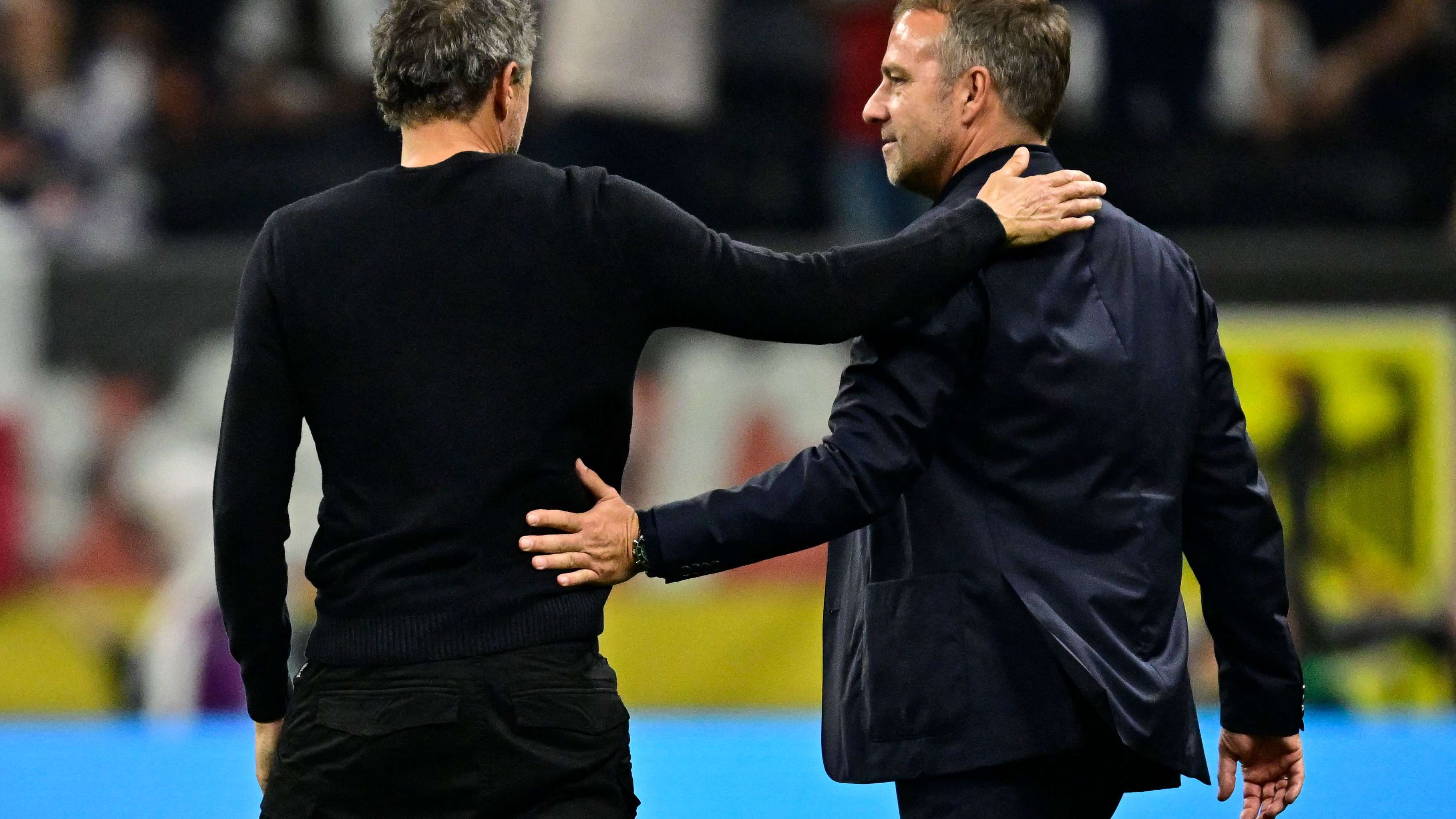
Barcelona and Paris Saint-Germain meet at the Parc des Princes on Tuesday evening in a Champions League league-phase fixture that promises more than a contest between two star-studded teams. The third-round match is also a tactical examination: can Barcelona play through PSG’s pressure, or will Luis Enrique’s side turn its aggressive press into chances?
Former Barcelona player Lobo Carrasco, writing for Mundo Deportivo, believes the result will depend less on individual brilliance than on how effectively each team carries out its plan. Pressing, midfield structure, movement off the ball and the handling of key moments could all shape the outcome. For supporters looking ahead to a football prediction, those tactical details offer a more useful guide than simply comparing the teams’ attacking reputations.
PSG’s pressing trap: inviting Barcelona forward
One of the central features of Luis Enrique’s approach is the way PSG can encourage opponents to build from the back before closing down the available options. The aim is not merely to chase the ball. PSG want to draw Barcelona into particular areas, then press together, restrict passing lanes and force hurried decisions.
That plan depends on timing and coordination. If the first player presses while teammates remain too far away, Barcelona may be able to play through the pressure and attack the space left behind. But when PSG’s lines move as a unit, the pressure can make even a composed defence look short of options.
Carrasco’s point is that a high press only works when the players behind the first wave are ready to provide cover. PSG must advance without opening large gaps between defence and midfield, and they need to be alert to Barcelona’s quick forward passes. A mistimed challenge or slow recovery could turn PSG’s attacking ambition into a dangerous counterattack for the visitors.
The midfield contest could set the match’s rhythm
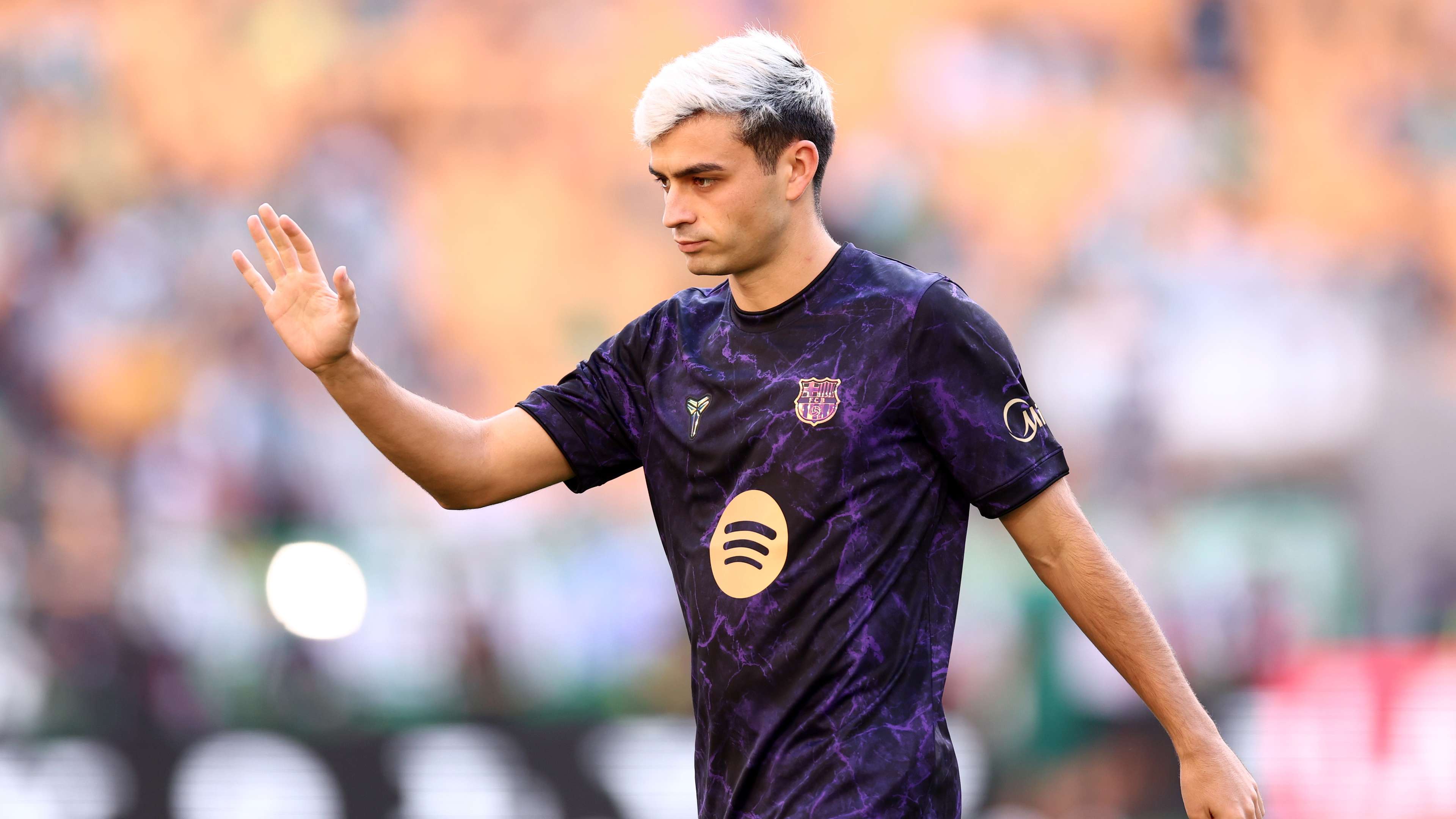
Barcelona’s ability to escape pressure will be closely tied to the midfield battle. Carrasco’s analysis highlights the importance of players such as Vitinha and Fabián Ruiz for PSG, against Barcelona’s midfield options, including Pedri and the holding presence identified in the original analysis as Rodri. João Neves could also have a significant supporting role, helping PSG close spaces and maintain balance as teammates move forward to press.
This contest is about more than which side enjoys the greater share of possession. Midfielders must offer safe passing options, receive the ball under pressure and recognise when to speed up or slow down an attack. If Barcelona can create passing angles and move the ball beyond PSG’s first pressing line, they may find room to advance. If PSG can disrupt those connections, they could win possession in dangerous areas and attack before Barcelona’s defence is set.
For both sides, spacing will be crucial. Barcelona need enough support around the ball to avoid leaving a player isolated, while PSG must prevent their midfield from being pulled apart by quick combinations. The team that controls these transitions may also control the match’s tempo—and limit the number of open exchanges.
Movement from the forwards matters as much as finishing
PSG’s attacking players are expected to contribute through movement as well as goals. Ousmane Dembélé, Désiré Doué and Khvicha Kvaratskhelia can threaten by changing positions, stretching the defence and pulling markers away from central areas. Their runs may create openings for teammates, especially if Barcelona’s defenders are forced to step forward to support the press.
Those attacking options come with a responsibility. PSG need to deliver the ball to their forwards without losing their shape in transition. If too many players move ahead of the ball and possession is lost, Barcelona could exploit the space left behind. The balance between creating danger and protecting against the counter is likely to be one of the match’s defining challenges.
Barcelona’s Ferran Torres could also benefit from a game in which pressing and quick transitions create gaps. His movement can trouble defenders even when he is not the player taking the final shot. By making well-timed runs and keeping the PSG back line occupied, he may help open space for Barcelona’s other attackers.
Barcelona’s young stars face a major test
Carrasco also points to the responsibility placed on Barcelona’s key players, including Pau Cubarsí, Pedri, Raphinha and Lamine Yamal. PSG’s pressure will test their composure and decision-making, while the intensity of the occasion may demand leadership from players of different ages and experience.
For Barcelona’s defenders, the challenge is to remain calm when PSG close down quickly. A rushed clearance could hand the hosts another attack, but trying to play through every situation carries its own risks. The best response may depend on reading the press: when to pass through it, when to use a longer ball and when to protect possession safely.
PSG, meanwhile, will look to combine Luis Enrique’s collective structure with the individual skill of their forwards. Carrasco describes the side as a forceful attacking system, but its success will depend on the work done away from the ball as much as on moments of flair in the final third.
Confidence and momentum could carry beyond the final whistle
The result may influence more than the teams’ position in the league phase. Successfully escaping PSG’s press could strengthen Barcelona’s belief in their build-up and show that they can remain composed against an aggressive opponent. For PSG, winning the ball high up the pitch would validate their approach and reinforce confidence in their organisation.
The opposite outcomes could create doubts. If Barcelona repeatedly lose possession under pressure, they may need to reconsider how they build from the back. If PSG’s press is bypassed too often, the hosts could be left exposed and forced to retreat. In either case, the response to setbacks may prove as important as the opening game plan.
Barcelona vs PSG prediction: small details, major consequences
This fixture is difficult to reduce to a straightforward prediction because both teams have clear ways to hurt the other. PSG’s press could produce turnovers and dangerous attacks, while Barcelona’s technical quality gives them the tools to break pressure and exploit the spaces it leaves. The midfield battle, the timing of forward runs and the protection against counterattacks may ultimately separate the sides.
Carrasco’s broader conclusion is that the match will be decided by execution rather than reputation. The team that presses at the right moment, stays compact and makes better use of its attacking movement will have the advantage. With elite players on both sides, the Parc des Princes encounter could also offer a preview of a future Champions League final—but neither team can afford to look beyond the immediate tactical test.