
Rising Tensions at Real Madrid: From On-Field Defeat to Public Media Battles
The recent setback for Real Madrid in the fiercely contested Madrid derby has sent shockwaves through the club’s hierarchy and fanbase alike. On the pitch, Los Blancos suffered a narrow 2-1 defeat against their local rivals Atletico Madrid, a result that has intensified internal frustrations and prompted a shift in the club’s approach to media relations. This confrontation extends beyond tactical discussions, revealing a deeper conflict involving the club’s stance on media criticism and public perception.
Madrid Derby Defeat Sparks Internal and Public Discontent
The Madrid derby is always more than just a game; it’s a matter of pride and rivalry that often reflects the state of both teams. This season, Atletico Madrid’s narrow victory over Real Madrid has left many within the Santiago Bernabéu Stadium questioning the team’s current form and strategic direction. The loss not only dampened spirits but also ignited a series of controversial reactions from the club’s management and communication teams.
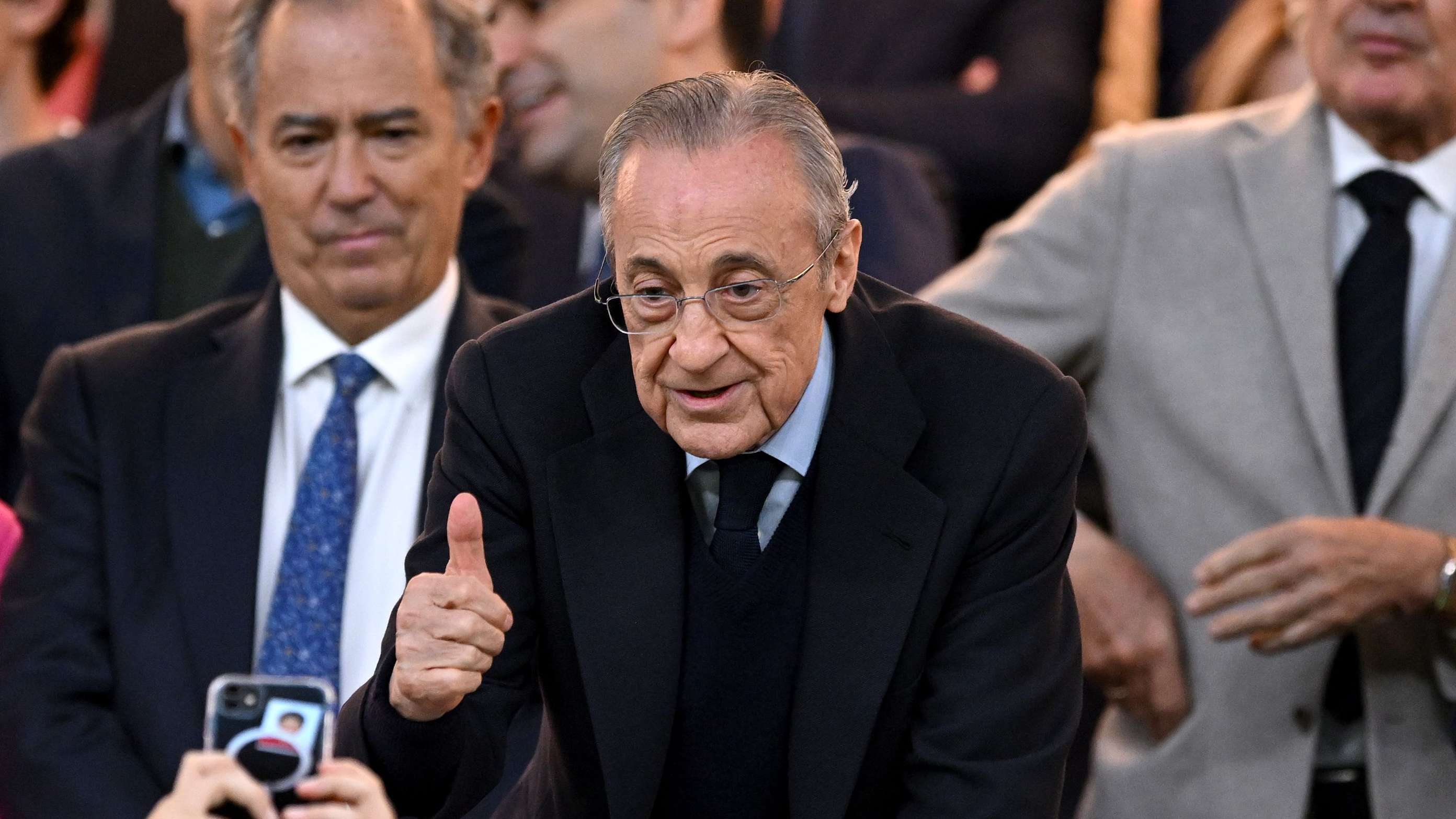
According to sources close to the club, the defeat has acted as a catalyst for a more aggressive stance against perceived negative media coverage. Traditionally, Real Madrid, under president Florentino Pérez, has maintained a relatively reserved approach towards the press—focusing on tactical improvements and team development. However, recent events suggest a notable shift, with the club now actively engaging in public disputes with journalists and media outlets it considers hostile or unfair.
The Escalation of Media Conflicts: From Private Criticism to Public Assault
The controversy that unfolded during the international break has revealed a new phase in the club’s media strategy. Rather than quietly addressing issues or offering clarifications through official channels, Real Madrid’s communication department has adopted a more confrontational tone. This change was exemplified by their targeted criticism of Juanma Castano, a well-known sports journalist and presenter of El Partidazo on Cope radio.
Last Tuesday, the club issued an official statement condemning Castano over a comparison he made between the Real Madrid official channel and another outlet called “Jara,” which he referenced in a recent press article. Despite Castano’s subsequent public apology, the club did not let the matter rest. Instead, they escalated their attack, posting a video clip on their social media platforms—reaching nearly 230 million followers across X (formerly Twitter) and Instagram—that highlighted a series of controversies linked to the journalist over the years.
This public display of discontent marks a significant departure from previous practices. It signals that Real Madrid is now willing to confront criticism head-on, leveraging their massive social media following to shape public perception and defend their image. The club’s social media accounts have become battlegrounds for their ongoing campaign to control the narrative surrounding their operations and media portrayal.
Juanma Castano’s Stance and the Broader Implications
Juanma Castano, who apologized for his comparison, remains firm in his stance, asserting that he will continue to voice his opinions unless the club’s official media channels alter their approach. His refusal to back down has intensified the club’s resolve to scrutinize and criticize journalists who challenge their version of events.
Castano’s case is emblematic of a broader trend within football, where clubs are increasingly taking a combative stance against media outlets that publish critical or unflattering content. This approach raises questions about transparency, journalistic independence, and the influence of football clubs in shaping public discourse. Fans and analysts are divided—some argue that clubs have a right to defend their reputation, while others fear that such tactics undermine free journalism and open dialogue.
The Historical Context: A Long-Standing Conflict with a New Venue
It’s important to recognize that this isn’t a new phenomenon for Real Madrid. The club has historically maintained a complex relationship with the media, often characterized by both cooperation and contention. Under Florentino Pérez’s presidency, the club has seen periods of openness and periods of strict control over their image.
What has changed in recent years is the visibility of these conflicts. The shift from private disputes to public campaigns reflects a broader trend in football, where social media amplifies conflicts and allows clubs to bypass traditional media gatekeepers. By publicly criticizing journalists and media outlets, Real Madrid aims to control their narrative more directly, though this approach carries risks of alienating critical voices and fostering a hostile media environment.
Implications for the Future: Prediction and Strategic Outlook
Looking ahead, the ongoing clash between Real Madrid and the media will likely influence the club’s future communication strategies. Their aggressive stance suggests a desire to project strength and control, especially during challenging times on the pitch. However, this approach might also backfire if it leads to increased scrutiny or alienation of the press and fans who value transparency.
From a football perspective, the club’s focus remains on improving team performance and securing victories in key competitions like La Liga and the Champions League. Yet, their public battles could also impact team morale and public perception, factors that are crucial in high-stakes tournaments.
Regarding predictions, analysts suggest that unless the club strikes a more balanced approach—combining assertiveness with openness—they risk long-term reputational damage. The current strategy might serve as a short-term defensive measure but could hinder their ability to foster positive media relationships essential for comprehensive coverage and fan engagement.
Conclusion: A New Chapter in Football Media Dynamics
The recent escalation in tensions between Real Madrid and the media underscores a broader shift in how football clubs manage their image in the digital age. As social media becomes an increasingly dominant platform for communication, clubs are realizing the power they hold to influence public opinion directly. However, this newfound power comes with the challenge of maintaining credibility and fostering constructive dialogue.
For fans, journalists, and stakeholders alike, the key question remains: will Real Madrid’s confrontational stance lead to a more controlled narrative or foster further discord? As the season unfolds, all eyes will be on how this high-stakes battle between club and media evolves—and what it means for the future of football prediction, reputation management, and the sport’s relationship with the press.