
Iraq Plan Coaching Addition as 2027 Asian Cup Preparations Gather Pace
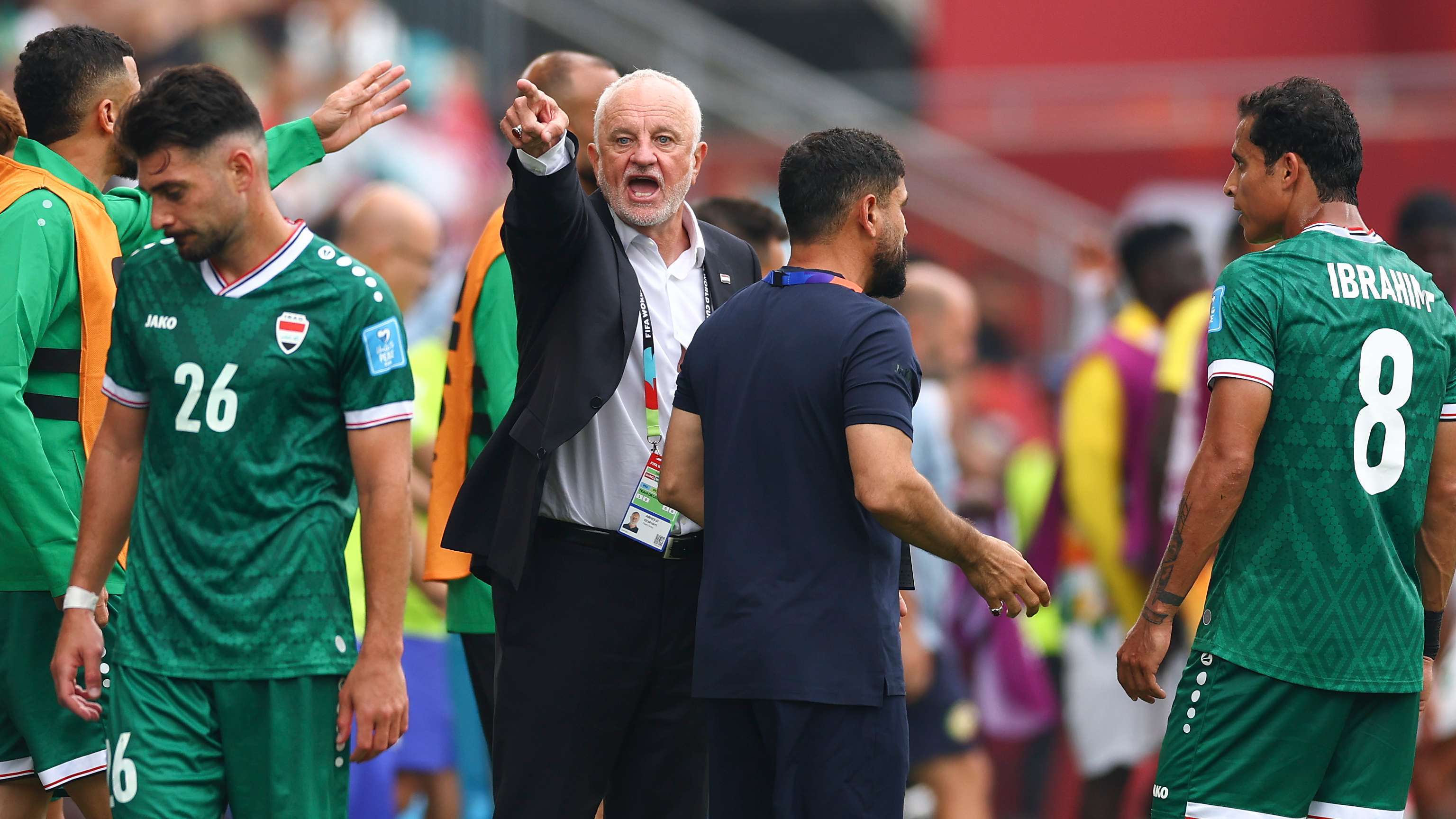
The Iraqi Football Association is preparing to strengthen the senior national team’s coaching staff ahead of the 2027 AFC Asian Cup in Saudi Arabia. The proposed appointment of an Iraqi assistant coach is intended to support Australian head coach Graham Arnold and help the Lions of Mesopotamia regroup after a disappointing Gulf Cup campaign.
According to Al-Araby Al-Jadeed, the federation is working on bringing a local coach into Arnold’s technical team, with further details expected to be announced once the arrangements are finalized. The move would add an Iraqi voice to the coaching setup as the national side begins a crucial period of preparation for one of Asian football’s biggest tournaments.
Federation confirms plans for a new coach
Iraqi Football Association president Younis Mahmoud confirmed on Thursday evening that the federation intends to add another coach to the senior team’s staff. He said the identity of the candidate and the conditions of the appointment had not yet been settled, leaving open questions about the coach’s responsibilities and how the role will complement Arnold’s work.
Appointing a domestic assistant could offer practical benefits as well as a stronger connection to the national football environment. An Iraqi coach may bring detailed knowledge of local players, emerging prospects and the domestic game—insight that can help the staff assess talent and communicate expectations. The appointment could also provide continuity between the national team and clubs, particularly as Iraq looks to build a squad capable of competing consistently at continental level.
However, the impact will depend on how clearly the new role is defined. A successful coaching addition would need to contribute to player development, tactical planning and preparation without creating confusion over decision-making. With the Asian Cup approaching, a well-integrated staff could help Arnold make the most of the available time and establish a settled approach.
Talks with Iraq’s prime minister
Mahmoud also said he had met Iraqi Prime Minister Ali Al-Zaidi to discuss matters related to the football association and potential ways to support its work. The president indicated that information about the discussions would be shared with the media in the coming period.
The meeting points to the broader organizational demands facing Iraq as it prepares for the tournament. National-team progress depends not only on coaching decisions and performances on the pitch, but also on planning, resources and coordination. Details of any support discussed have not yet been made public, so the practical consequences remain unclear. Still, the federation’s willingness to raise its needs at government level reflects the importance attached to the national side’s preparations.
Iraq’s Asian Cup schedule presents an early test
Iraq’s campaign is scheduled to begin against Tajikistan on 10 January 2027. The team will then face Australia on 14 January before completing its group-stage fixtures against Singapore on 19 January. The tournament is due to run in Saudi Arabia from 7 January to 5 February.
The sequence gives Iraq little room to ease into the competition. The opening match against Tajikistan will be an important opportunity to establish momentum, while the meeting with Australia is likely to provide a demanding test of the team’s organization and ability to compete against a strong opponent. The final group game against Singapore could also carry significant weight, depending on the results of the first two fixtures.
For supporters searching for an early football prediction about Iraq’s prospects, the group schedule offers clues but not guarantees. A strong start could put the team in a favorable position, yet tournament football is often shaped by small details: fitness, defensive concentration, squad depth and the ability to respond when a match turns difficult. Iraq’s coaching staff will need to prepare for different styles of opposition rather than rely on a single game plan.
Gulf Cup disappointment increases pressure to improve
The planned staff change follows a difficult Gulf Cup, where Iraq failed to advance from the group stage. The team opened with a 1-1 draw against Oman, then recorded a 3-2 win over Kuwait before losing 2-0 to Saudi Arabia. Although the victory over Kuwait showed the side’s attacking potential, the overall campaign ended earlier than hoped.
That mixed record highlights the challenge facing Arnold and his players. Iraq demonstrated that it can score and compete, but the defeat to Saudi Arabia and the failure to progress underline the need for greater consistency. Improving defensive discipline, managing pressure and maintaining performance across a full tournament will be essential if Iraq is to make a deeper Asian Cup run.
The Gulf Cup results should not be treated as a complete measure of the team’s potential. A short tournament can be influenced by injuries, match conditions and the fine margins of group-stage football. But the campaign does offer useful evidence for the coaching staff: Iraq must turn promising spells into reliable results and reduce the costly lapses that can decide close contests.
Building momentum before Saudi Arabia
The addition of an Iraqi assistant coach could be one part of a wider effort to sharpen the team before January 2027. The next phase will require careful squad assessment, effective preparation matches and a clear understanding of which players can deliver under tournament pressure. It will also be important to develop alternatives in key positions so that injuries or suspensions do not disrupt the team’s plans.
For Iraq, the Asian Cup represents both a demanding sporting challenge and a chance to restore confidence after the Gulf Cup setback. The proposed appointment, Mahmoud’s discussions with the prime minister and the federation’s public focus on preparations suggest that work is underway, although the key details are still to come.
Until the new coach is confirmed and the team’s preparation schedule becomes clearer, predictions about Iraq’s final standing remain premature. The clearest measure of progress will be whether the Lions of Mesopotamia arrive in Saudi Arabia with a settled coaching structure, a balanced squad and the consistency needed to turn their potential into results.