
Hamann Warns Bayern Munich Are Becoming Too Dependent on Michael Olise
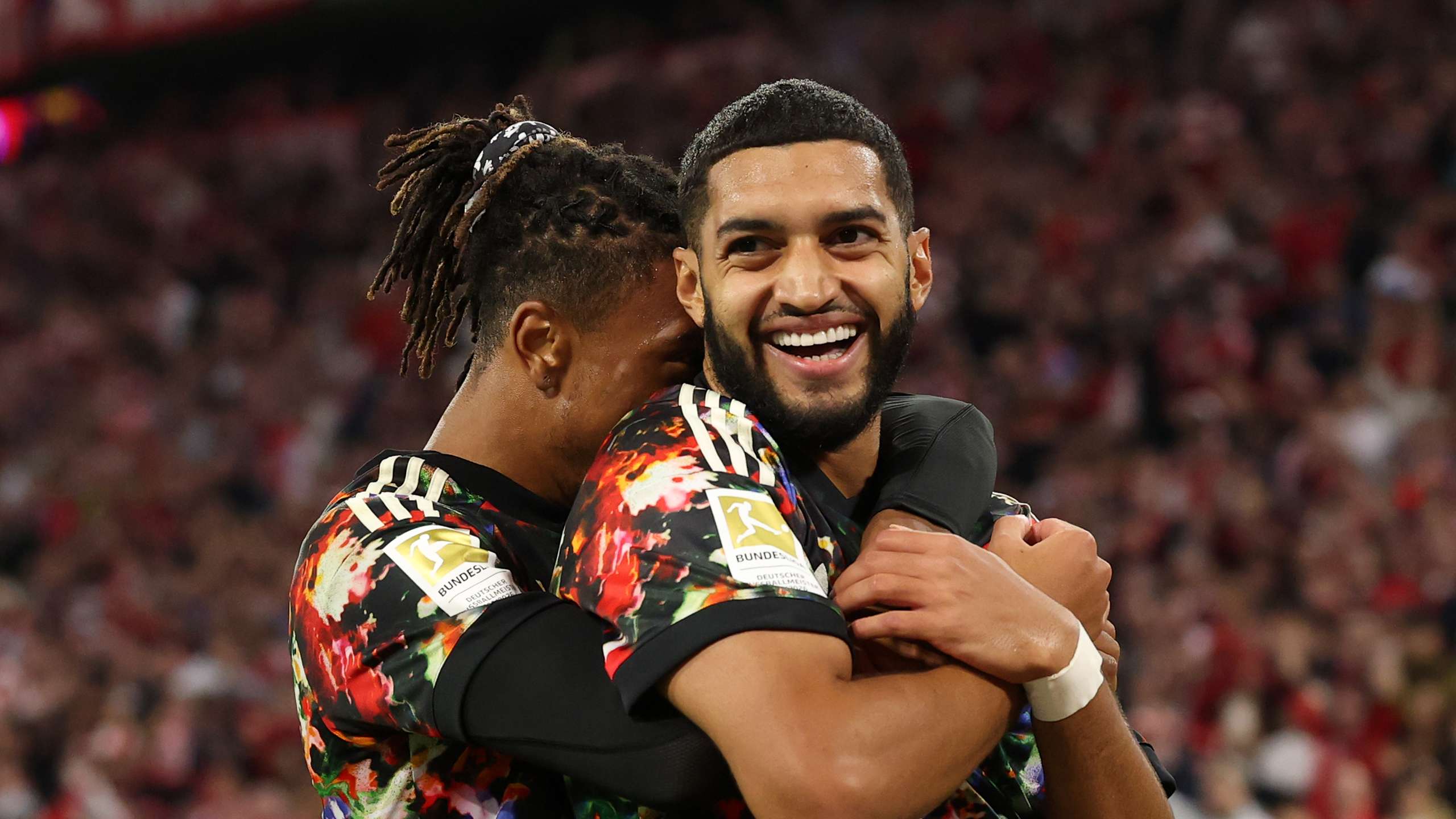
Michael Olise has made a spectacular start to the season, delivering goals, assists and moments of invention that have helped drive Bayern Munich’s attack. But his influence has also raised an uncomfortable question: are Bayern relying too heavily on one player to make things happen? Former Bayern midfielder and football pundit Didi Hamann believes the answer is yes.
Hamann’s concern comes after Bayern surrendered a lead to draw 3-3 with Viking Stavanger, despite spending part of the match with a numerical advantage. Olise’s dismissal changed the contest, but the former midfielder says the result exposed a broader problem: when the French winger is unavailable or unable to produce a decisive moment, Bayern may not have enough attacking alternatives.
Olise’s red card turns a promising result into a warning
Olise arrived at the match in outstanding form, having recorded eight goals and four assists in nine appearances. His creativity, close control and ability to threaten defenders one-on-one have made him one of Bayern’s most influential players this season. Yet against Viking Stavanger, his evening ended early after he received two yellow cards. The second came for a reckless challenge on Zlatko Tripic.
Bayern were reduced to ten men following the dismissal, and the match swung away from them. The German side had already had the advantage of playing against ten opponents for a spell, but could not turn that situation into a comfortable victory. After Olise’s sending-off, Bayern conceded an equaliser and had to settle for a 3-3 draw.
For Hamann, the result was more than a frustrating slip. Speaking to Bild, he questioned how Bayern had failed to close out a match after enjoying a numerical advantage, only to spend the final 25 minutes a player down and drop points. In his view, the performance highlighted the team’s dependence on Olise’s individual quality.
Hamann’s assessment was blunt: Bayern have become overly reliant on the winger, and the rest of the team must contribute more when their leading creator is not able to take control. He described Olise as an exceptional footballer, while warning that a prolonged absence could leave Bayern facing serious difficulties.
Harry Kane remains a key source of production
Hamann’s criticism was not limited to Olise. He also challenged the wider attacking group to offer more consistent support, while identifying Harry Kane as the obvious exception. Kane’s output has matched Olise’s, with eight goals and four assists, giving Bayern two players who have accounted for a substantial share of their attacking production.
That level of contribution from Kane is hardly surprising. The England striker remains one of the most reliable finishers in European football, and he can influence matches through more than goals alone. His movement creates space for teammates, while his link-up play helps Bayern progress attacks through the centre. However, even a player of Kane’s calibre cannot be expected to carry the entire forward line every week.
The concern is what happens when opponents limit the space available to Kane and Olise. Bayern need other attackers to make defenders pay for focusing their attention on those two. If the team’s scoring threat becomes too predictable, well-organised opponents can concentrate on disrupting the main sources of danger and force Bayern to find a different route to goal.
Injuries and inconsistent form add to Bayern’s challenge
Several factors have made Bayern’s attacking depth harder to assess. Jamal Musiala is sidelined with an injury, depriving the team of a player capable of carrying the ball through crowded areas and creating chances between the lines. Serge Gnabry, meanwhile, is still working his way back to full fitness after a lengthy spell out.
Luis Díaz and Lennart Karl have also experienced a dip in form, according to Hamann’s concerns, while Ismael Saibari has yet to deliver the goals expected of him. These players have different roles and levels of experience, but Bayern need at least some of them to provide a regular threat. Without that support, the burden on Olise and Kane grows heavier.
There is an important distinction between relying on star players and becoming dependent on them. Every leading club expects its best attackers to shape big matches. The problem arises when a team has few effective alternatives, or when its attacking structure stops functioning once a key player is missing. Bayern’s 3-3 draw has intensified scrutiny of that balance.
Arsenal test offers an immediate measure of Bayern’s depth
Bayern’s next major examination comes in the Champions League against Arsenal, and Olise will miss the fixture through suspension. That absence gives the German side an immediate opportunity to show whether its attack can still create and finish chances without one of its most productive players.
The match is especially significant because Arsenal are likely to demand discipline and precision. Bayern will need to move the ball quickly, use their wide options effectively and avoid relying on isolated moments of individual brilliance. Kane will remain central to the game plan, but the supporting cast must help stretch Arsenal’s defence and provide a threat from multiple areas.
Musiala’s injury and Gnabry’s fitness situation may restrict the available choices, making the coaching staff’s selection and tactical adjustments particularly important. Bayern could look to share creative responsibilities across the midfield and wings, rather than asking one replacement to replicate everything Olise offers. A collective response may be more realistic—and more sustainable—than searching for a direct substitute.
What Bayern’s performance could reveal
The Arsenal fixture will not, by itself, settle the debate about Bayern’s attacking depth. A single result can be shaped by injuries, opposition tactics and match events. However, the performance should offer valuable clues. If Bayern continue to generate chances and find goals through different players, Hamann’s warning may serve as a timely prompt rather than evidence of a deeper crisis.
If the attack looks short of ideas without Olise, the concern will become harder to dismiss. Bayern have enough quality to compete at the highest level, but their strongest football depends on more than two players producing exceptional numbers. Consistent contributions from Díaz, Gnabry, Karl, Saibari and the midfield would make the team less predictable and better equipped to handle suspensions or injuries.
For supporters considering a football prediction ahead of Bayern’s Champions League meeting with Arsenal, Olise’s absence is a major factor—but not the only one. Kane’s form, Bayern’s ability to create chances collectively and the fitness of their supporting attackers will all shape the contest. The central question is whether Bayern can turn their individual talent into a reliable team-wide threat. Hamann’s warning has made that question impossible to ignore.