Saudi Super Cup Draw Sets Up Two High-Stakes Semi-Finals in Kuwait
The road to the Saudi Super Cup title now has two clear matchups, after Wednesday’s draw in Kuwait paired Al-Ahli with Al-Qadsiah and Al-Nassr with Al-Khaleej. The four clubs will compete for a place in the final, with the tournament scheduled to run from 19 to 23 December.
With only two fixtures separating the teams from the championship match, the draw has created an intriguing mix of established contenders and ambitious challengers. Al-Ahli and Al-Qadsiah will contest the first semi-final, while Al-Nassr and Al-Khaleej meet in the other. The winners will advance to the final and compete for the season’s Super Cup honours.
Al-Ahli and Al-Qadsiah Face the First Test
The opening semi-final brings together two sides with plenty to prove. Al-Ahli will look to turn its pedigree into a place in the final, but Al-Qadsiah will have the opportunity to disrupt those plans and make a statement on a major stage.
For Al-Ahli, the match is a chance to build momentum and show that it can handle the pressure of a knockout competition. A single game leaves little room for recovery: one difficult spell, defensive mistake or missed opportunity could decide the outcome. The club will need to balance attacking ambition with the discipline required to avoid giving Al-Qadsiah openings on the counter.
Al-Qadsiah, meanwhile, can approach the tie as an opportunity to challenge a high-profile opponent and push toward its own Super Cup final. Strong organisation, intensity in midfield and efficient finishing could prove crucial. In a semi-final, controlling possession does not always guarantee control of the match; the ability to make the most of key moments can be just as important.
Al-Nassr and Al-Khaleej Battle for the Second Final Place
The second semi-final pairs Al-Nassr with Al-Khaleej, setting up another compelling contest. Al-Nassr will enter the match with the expectation of competing for the trophy, while Al-Khaleej will aim to turn the fixture into a genuine test and seize the chance to reach the final.
Al-Nassr’s challenge will be to convert its quality and attacking threat into a composed performance under knockout pressure. Teams with strong forward options can influence a match quickly, but they still need structure behind the ball and patience when opponents defend deep. If Al-Khaleej can remain compact, frustrate Al-Nassr and take advantage of transitions or set pieces, the tie could become far less predictable than the draw might suggest.
That uncertainty is part of the appeal of cup football. Unlike a league campaign, where teams have multiple opportunities to recover from a setback, a semi-final can hinge on a short sequence of events. An early goal may change the tactical picture, while a late equaliser could force a tense finish. Fans can therefore expect both sides to weigh risk carefully as they pursue a place in the championship match.
Draw Ceremony Brings Saudi and Kuwaiti Football Together
The draw ceremony was attended by Prince Sultan bin Saad bin Khalid, ambassador of the Custodian of the Two Holy Mosques to Kuwait. Sheikh Ahmad Al-Yousef Al-Sabah, president of the Kuwait Football Association, and Dr Tariq Al-Jalahma, Kuwait’s sports minister, were also present.
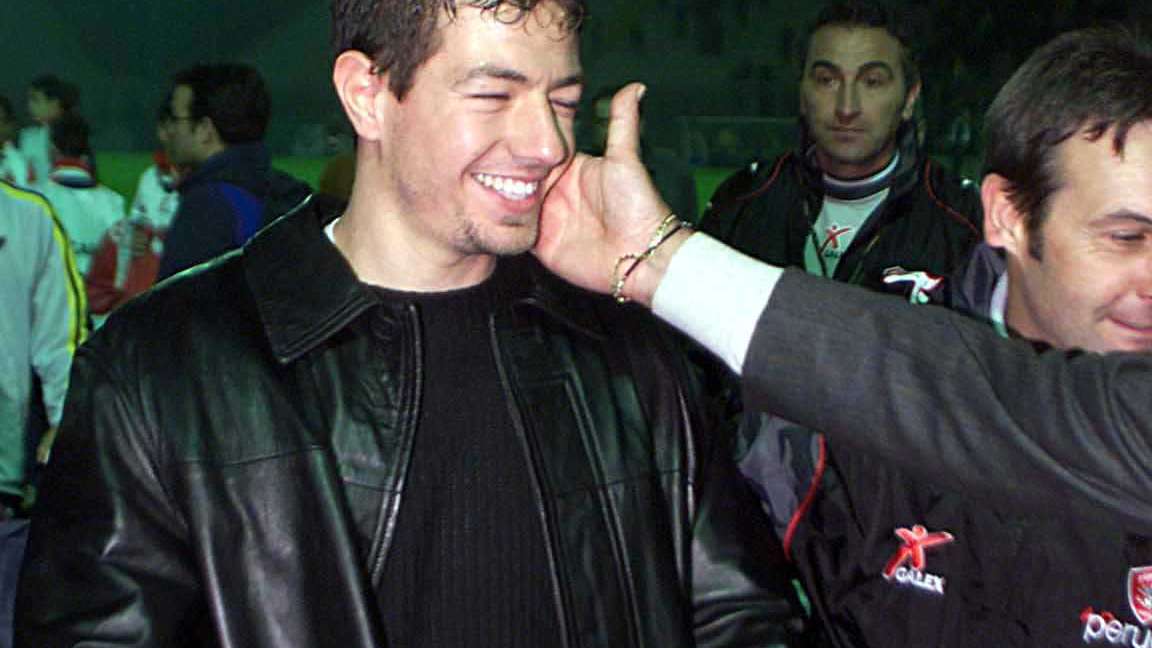
Former Kuwaiti internationals Ali Marwi and Bashar Abdullah took part in proceedings. Marwi previously played professionally for Saudi Arabia’s Al-Ahli, while Abdullah represented Kuwait and also had a spell with Al-Hilal. Their involvement added a regional football connection to an event that brings Saudi clubs to Kuwait for one of the competition’s most important stages.
Hosting the tournament in Kuwait gives the Super Cup a wider regional setting and offers supporters there the chance to watch leading Saudi teams compete for silverware. The venue also places the competition in front of a football audience familiar with the history and rivalries of the Gulf game.
Saudi Super Cup Prediction: What Could Decide the Ties?
Any football prediction for the semi-finals must account for the unpredictability of one-off matches. Al-Ahli and Al-Nassr may attract attention because of their profiles, but the draw alone does not determine who will progress. Preparation, fitness, tactical flexibility and composure in decisive moments are likely to shape the results.
In the first tie, Al-Ahli will need to manage Al-Qadsiah’s pressure and make its chances count. The second contest could depend on whether Al-Khaleej can limit Al-Nassr’s attacking influence without becoming too passive. For both underdogs, disciplined defending will matter, but so will the willingness to attack when opportunities arise.
Set pieces may also have an outsized impact. In closely contested knockout matches, corners, free kicks and penalties can provide a route to goal when open play is tightly controlled. Coaches will also have to consider substitutions carefully, particularly if the match remains level late on.
Four Clubs, Two Places and One Trophy
The schedule leaves little time for the teams to settle into the competition: the tournament runs from 19 to 23 December, and the two semi-final winners will meet in the final during that window. That compact format raises the stakes of every appearance and makes recovery, squad management and concentration especially important.
For Al-Ahli, Al-Qadsiah, Al-Nassr and Al-Khaleej, the objective is now straightforward: win the semi-final and move within one match of the trophy. The draw has delivered two contrasting contests, but neither offers a guaranteed route through. When the teams take the field in Kuwait, the final places will be decided by performance rather than reputation—and the winning sides will earn the chance to finish the tournament as Saudi Super Cup champions.