
Saudi Arabia’s National Football Team Faces Key Challenge as Goalkeeper Nawaf Al-Aqidi Sidelined by Injury
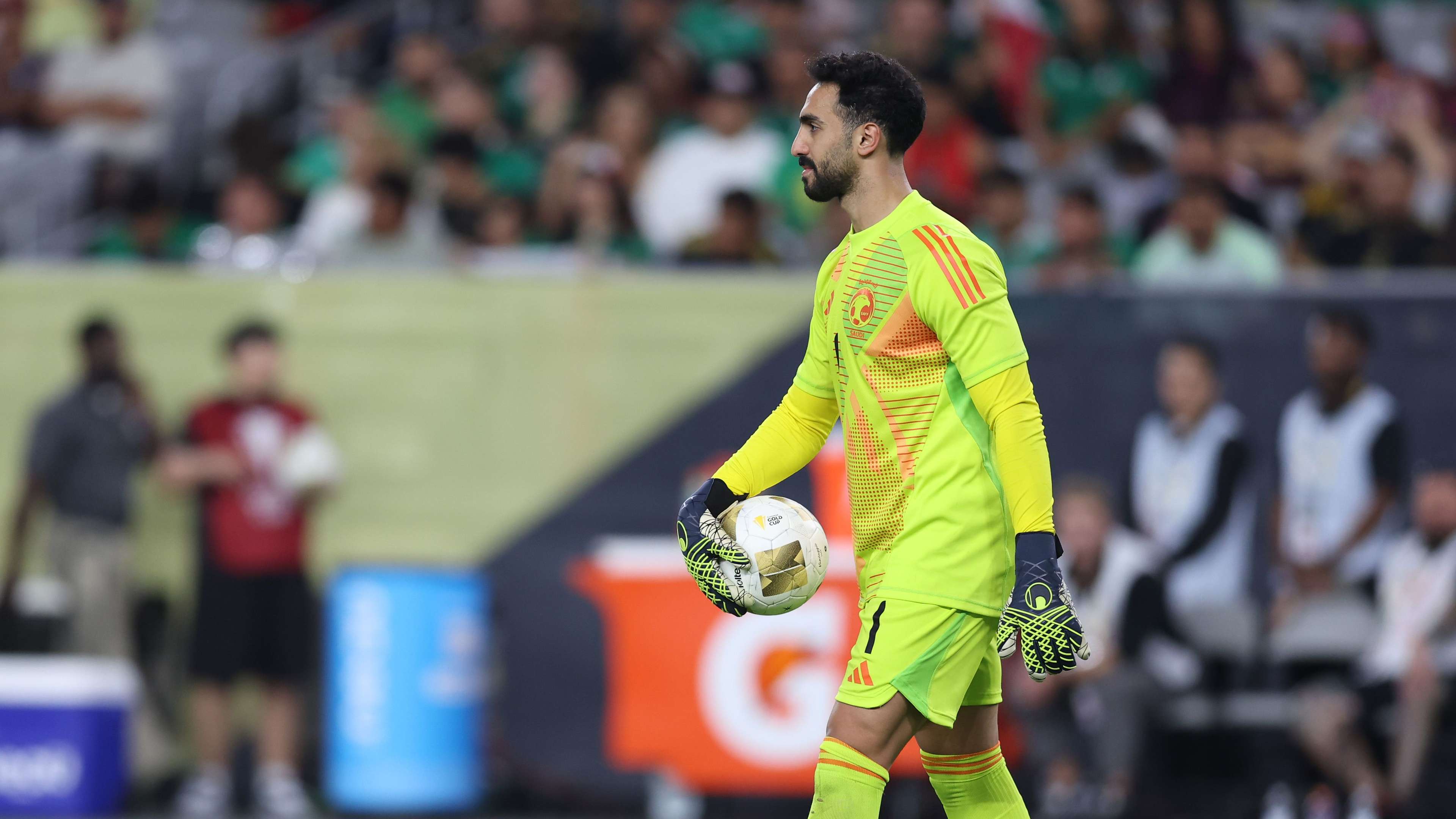
In a significant development ahead of the upcoming matches in the prestigious Arabian Gulf Cup, also known as Gulf 27, the Saudi Arabian national football team is grappling with a setback in their goalkeeping lineup. Nawaf Al-Aqidi, the prominent goalkeeper for Al-Nassr FC and a crucial figure for the Green Falcons, has been officially ruled out of the ongoing tournament due to injury. This unexpected development raises questions about the team’s goalkeeper prediction and their prospects for the remainder of the competition.
Injury During the Opening Match Sparks Concerns
During the initial group stage fixture against Kuwait at Jeddah’s Al-Inma Stadium, Saudi Arabia secured a narrow 1-0 victory. However, the match was also notable for an injury sustained by Nawaf Al-Aqidi. The goalkeeper sustained an elbow injury that appeared serious enough to impact his participation in the tournament. Initial fears were that the injury might sideline him for an extended period, potentially affecting not only this tournament but also his club commitments with Al-Nassr.
Official Confirmation and Medical Findings
The Saudi national team’s official account on X (formerly Twitter) confirmed Al-Aqidi’s absence, stating: “The technical director of the national team, Giorgos Donis, has excluded Nawaf Al-Aqidi from the Green Falcons’ camp as part of Gulf 27, following medical examinations.” The statement further clarified that the decision was based on the medical report, which indicated that the player’s elbow injury required a period of treatment and rehabilitation before he could return to full fitness.
Medical experts specializing in sports injuries suggest that elbow injuries in goalkeepers can be complex, often requiring several weeks of recovery to prevent long-term damage. This prognosis has fueled concerns about the duration of Al-Aqidi’s absence and how it might influence the team’s prediction for the tournament’s outcome.
Implications for the Saudi Goalkeeping Lineup
In light of Al-Aqidi’s exclusion, the coaching staff faced the immediate challenge of selecting an alternative goalkeeper. On Thursday, Greek head coach Giorgos Donis announced the call-up of Abdulquddus Attiah, a seasoned goalkeeper from Al-Ula FC. While Attiah is a capable shot-stopper, he lacks the international experience and recent high-level competitive exposure that Al-Aqidi has gained over the years.
This shift in the goalkeeper prediction raises questions about the team’s defensive stability and overall performance, especially considering the importance of a solid goalkeeper in knockout-stage tournaments like the Gulf Cup. The decision underscores the unpredictability of football, where injuries can drastically alter team dynamics and strategic plans.
Potential Impact on Saudi Arabia’s Tournament Prospects
Looking ahead, the Green Falcons are determined to advance beyond the group stage, with their upcoming fixture against Oman set for Saturday at the Al-Inma Stadium. With Al-Aqidi sidelined, the focus now shifts to Mohammed Al-Owais, the experienced goalkeeper who previously served as the first-choice in the 2026 World Cup qualifiers and the tournament itself.
Al-Owais’s presence provides a sense of reassurance to fans and analysts alike, as his track record suggests he can step up under pressure. However, the team’s prediction for success hinges on multiple factors, including defensive organization, midfield control, and goalkeeping stability. Given the high stakes, the Saudi coaching staff will need to optimize their tactical approach to maximize their chances of victory and secure a semi-final spot.
Contextualizing the Gulf Cup and Football Prediction Trends
The Gulf Cup has historically been a showcase of regional football talent, with intense competition among Gulf nations. For Saudi Arabia, a strong performance in Gulf 27 is not only about regional bragging rights but also about asserting their dominance ahead of upcoming Asian qualifiers for the FIFA World Cup. The tournament thus serves as a critical testing ground for team strategies and player form, including prediction models for match outcomes.
Recent football prediction analyses emphasize the importance of goalkeeper reliability in tournament success. Teams with experienced and resilient goalkeepers tend to perform better under pressure, particularly in knockout matches. Nawaf Al-Aqidi’s injury underscores the unpredictable nature of football, where even minor injuries can have profound implications on team prognosis.
Expert Insights and Fan Expectations
Football experts highlight that while the absence of a key player like Al-Aqidi is a setback, it also presents an opportunity for emerging talents like Abdulquddus Attiah to showcase their abilities on an international stage. Fans are hopeful that Al-Owais, with his extensive experience and leadership qualities, will rise to the occasion and help secure the team’s progression.
Moreover, the tournament’s outcome remains highly unpredictable, with many analysts and betting agencies offering diverse predictions based on current squad health and form. The injury to Al-Aqidi exemplifies how injury-related football prediction adjustments are necessary in real-time, emphasizing the importance of squad depth and tactical flexibility.
Looking Forward: What’s Next for Saudi Football?
As Saudi Arabia prepares for their next match against Oman, the focus will be on team resilience and strategic execution. A win against Oman could solidify their place in the semi-finals, regardless of the outcome against Iraq in the subsequent round. This makes the upcoming fixture not just a test of skill but also a crucial moment for team morale and confidence.
Meanwhile, the injury situation highlights the need for clubs and national teams to prioritize player health and injury prevention strategies. As football prediction models evolve, incorporating injury risks and player fitness levels will become increasingly vital to accurately forecast tournament outcomes.
Final Thoughts: The Role of Injury Management in Football Prediction
The case of Nawaf Al-Aqidi at Gulf 27 underscores a broader reality in professional football: injuries are an inevitable part of the game that can dramatically alter predictions and tournament trajectories. For fans, coaches, and analysts alike, understanding the dynamics of player fitness, squad depth, and tactical adaptability is essential for accurate football prediction and success in major tournaments.
As the Arabian Gulf Cup progresses, all eyes will be on how Saudi Arabia navigates these challenges and whether their goalkeeper prediction can adapt to the evolving circumstances. With talented players and a resilient coaching staff, the Green Falcons remain hopeful of making a deep run, but injury management and team cohesion will ultimately determine their fate in this fiercely competitive regional competition.