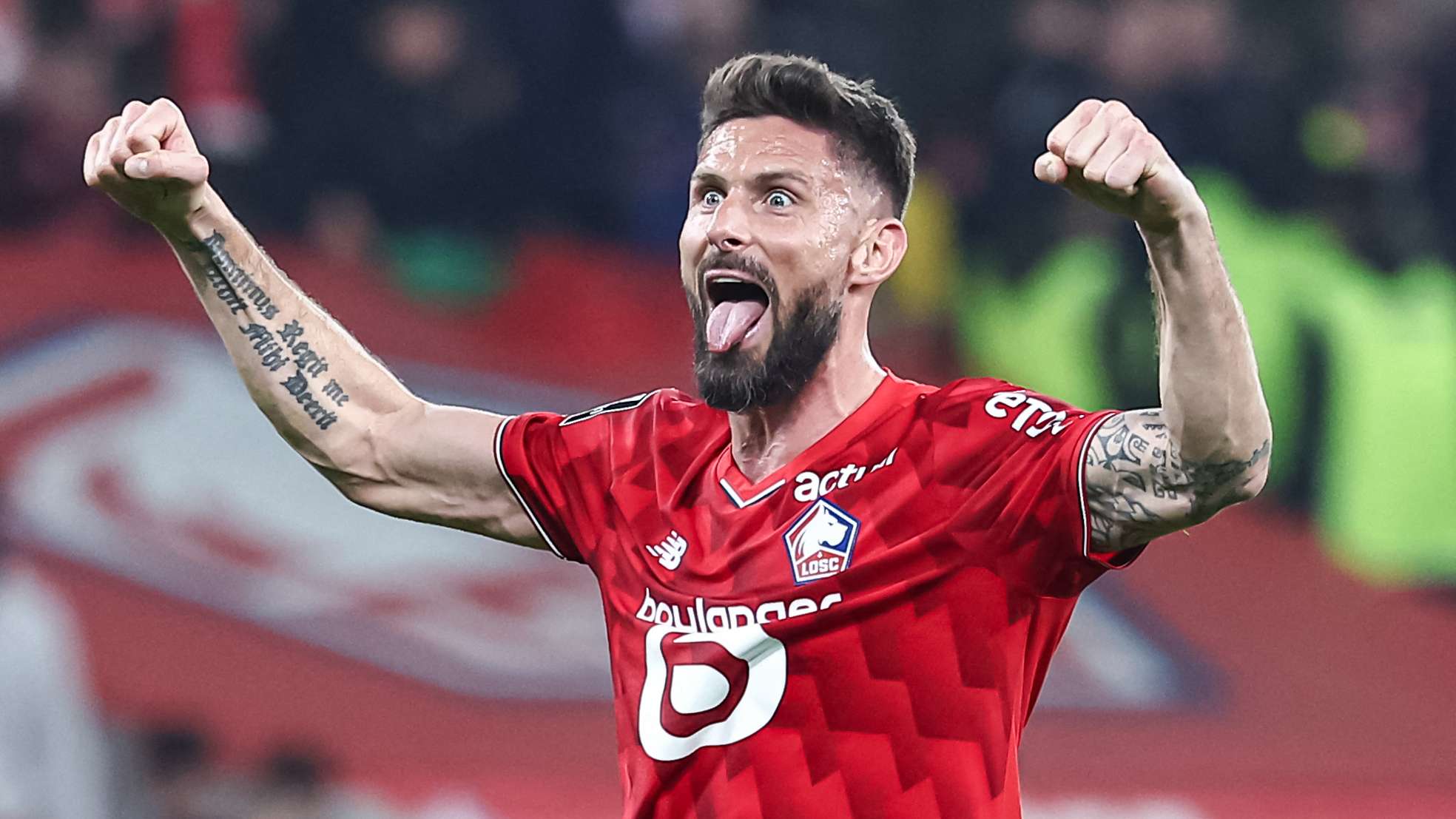

Olivier Giroud reflects on his MLS experience and return to European football
Olivier Giroud has offered a candid explanation for why his spell with Los Angeles FC proved shorter than many expected. The experienced striker said he missed the intensity and atmosphere associated with European football, where packed stadiums, passionate supporters and a deep-rooted matchday culture have shaped much of his career.
Giroud’s move to Major League Soccer was a major change of scenery after years competing at the highest levels in Europe. Yet, while the United States gave him a new sporting and personal experience, the French forward found that the football environment did not provide the same emotional connection he had grown accustomed to. His comments highlight one of the challenges facing MLS as it continues to attract prominent international players: star power can raise a league’s profile, but recreating the traditions and intensity of established football cultures takes time.
Why Giroud missed the European matchday atmosphere
For Giroud, the appeal of football has never been limited to the action on the pitch. The noise inside a stadium, the anticipation before kick-off and the sense of occasion surrounding major fixtures are all part of the experience. During his career in Europe, he played in environments where supporters often create a powerful atmosphere from the first whistle to the last.
That contrast became significant during his time in Los Angeles. Although LAFC has a committed fan base and regularly draws enthusiastic support, Giroud said he missed the broader football culture he knew in Europe. In many European cities, clubs are woven into local identity across generations. Matchdays can shape the rhythm of a community, with supporters gathering well before a game and stadiums serving as focal points for longstanding rivalries and traditions.
The difference is not simply a matter of attendance. Football culture is built through history, routine and shared emotion. European clubs often carry decades—or even centuries—of memories, while MLS is a younger competition still developing its own traditions. Giroud’s experience offers a personal example of how that distinction can influence a player’s sense of belonging, even when the club, city and league provide professional opportunities.
A high-profile move to Los Angeles FC
Giroud joined LAFC after establishing himself as one of the most accomplished forwards of his generation. His career included major spells in France, England and Italy, as well as a prominent role with the French national team. He won significant honours, scored in major competitions and became known for his strength, aerial ability and intelligent movement inside the penalty area.
His arrival in MLS was therefore more than a routine transfer. A player with Giroud’s international reputation brought attention to LAFC and added experience to a club competing in one of the league’s most visible markets. The move also reflected a wider trend: MLS has increasingly sought established names who can improve the standard of play while attracting new audiences to the sport in North America.
For Giroud, the opportunity offered a different challenge after years of European competition. A move to Los Angeles meant adapting to a new country, a different league structure and a distinct sporting landscape. The change also provided the chance to experience American life and contribute to a growing football scene. But his comments suggest that the personal appeal of a new adventure could not entirely replace the atmosphere he associated with the European game.
What his decision says about MLS and European football
Giroud’s reflections should not be read as a dismissal of MLS or its supporters. The league has made notable progress, attracting international talent, investing in facilities and expanding its audience. Clubs such as LAFC have developed strong identities and energetic fan communities, while the competition continues to build momentum through local rivalries and a growing presence in the global football conversation.
At the same time, his experience points to a more complex question for players considering a move to the United States. Salary, lifestyle and playing opportunities matter, but so does the emotional environment of the game. Footballers who have spent much of their careers in Europe may find that the intensity of its stadium culture is difficult to leave behind, particularly if they are accustomed to regular participation in high-pressure matches.
That atmosphere can also affect a player’s motivation and enjoyment. Supporters’ reactions, the stakes of a rivalry and the feeling of representing a historic club can make competition feel especially meaningful. For a veteran such as Giroud, those elements were part of the football experience he had known for much of his professional life. His return to Europe can therefore be understood not only as a career decision, but as a response to what he values most about playing the sport.
Experience, adaptation and the next chapter
Giroud’s career has been marked by adaptation. He has played in different leagues, worked under varied coaching styles and remained effective through changes in tactics and expectations. His time in MLS added another chapter to that journey, even if it did not become a long-term stay. A brief spell can still provide valuable perspective on how football is developing in different parts of the world.
His comments may also encourage clubs and leagues to think beyond recruitment. Bringing in a famous player can generate headlines, but helping that player feel connected to a club’s culture is equally important. Strong supporter engagement, meaningful local traditions and an engaging matchday experience can all contribute to a sense of belonging. MLS has made progress in these areas, though it remains at an earlier stage of cultural development than many European competitions.
For fans following Giroud’s next steps, the central prediction is that the atmosphere around his club will remain an important part of his footballing life. His remarks suggest that the veteran striker places a high value on the emotional intensity of the game, not just the practical demands of competition. That preference helps explain why his time in Los Angeles did not last as long as the move initially promised.
Ultimately, Giroud’s MLS chapter illustrates the personal side of a global sport. Football may be played under the same basic rules around the world, but the experience can feel very different from one country to another. For Giroud, the energy of European stadiums proved difficult to replace. His brief stay with LAFC still exposed him to a growing league and a new audience, while his reflections offer useful insight into what established players may seek when choosing where to continue their careers.