
Joan Laporta Accuses Real Madrid of Targeting Barcelona Amid Negreira Case
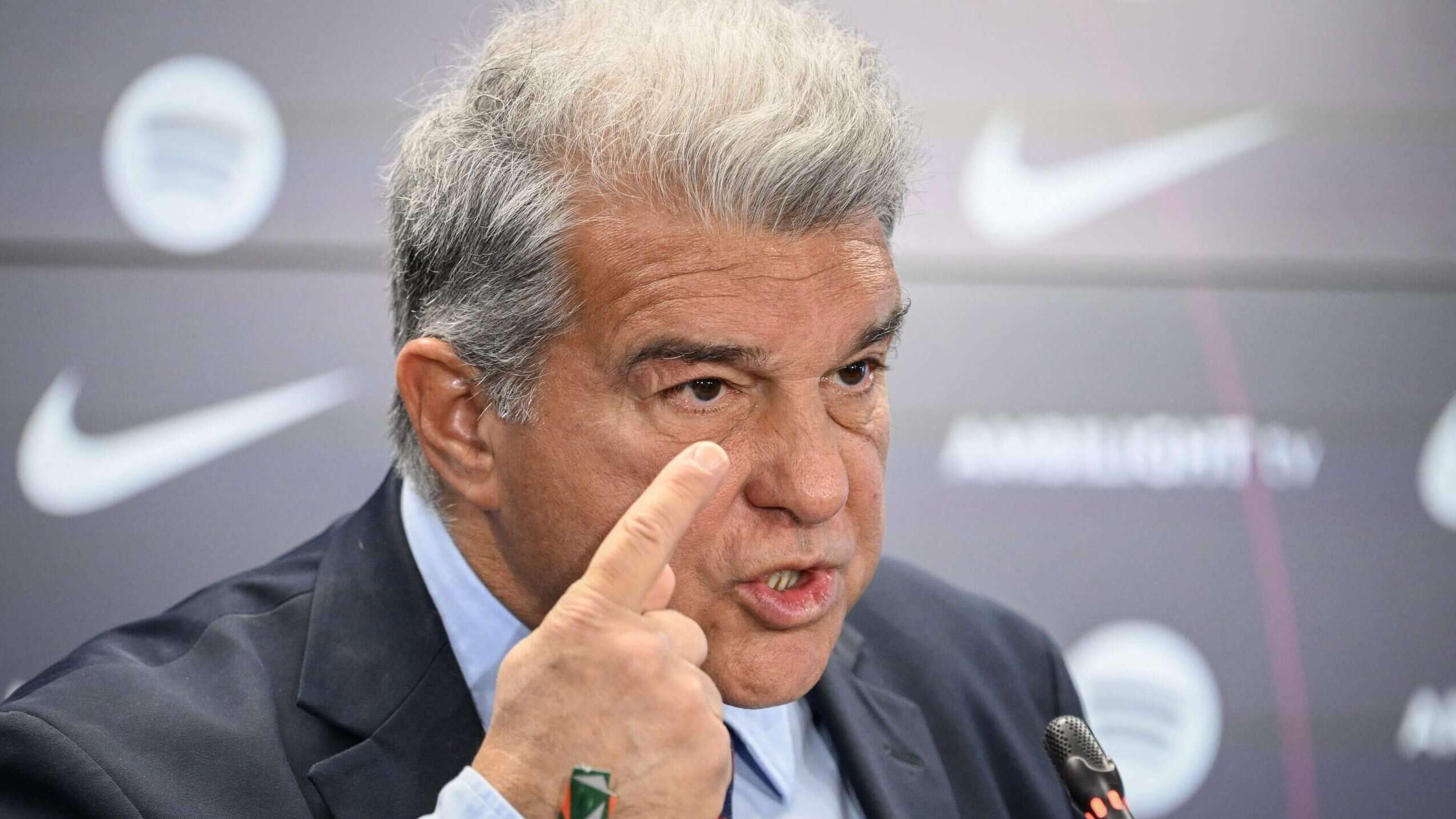
Barcelona president Joan Laporta has launched a sharp attack on Real Madrid, accusing the Spanish giants of arrogance and of trying to damage Barcelona’s reputation while the club remains under investigation in the Negreira case. Laporta has maintained that Barcelona will ultimately be cleared, and he has questioned whether Real Madrid’s public criticism is motivated by a genuine concern for football or by the clubs’ longstanding rivalry.
The dispute adds another layer of tension to one of European football’s most closely watched relationships. Barcelona and Real Madrid already compete for trophies, players and influence in Spanish football. Now, their disagreements over the Negreira investigation have moved beyond the pitch, turning a legal controversy into a public argument about credibility, fairness and the sport’s governing standards.
Laporta Stands Firm on Barcelona’s Position
Laporta’s central message is that Barcelona has done nothing that should lead to the club being treated as guilty before the case has been resolved. He has expressed confidence that the investigation will clear the organisation, rejecting suggestions that the matter proves the club sought to influence refereeing decisions.
The case concerns payments made by Barcelona to companies linked to José María Enríquez Negreira, a former senior official in Spain’s refereeing structure. The payments, which reportedly continued over several years, have prompted questions from prosecutors and football authorities. Barcelona has said the work involved technical reports and advice related to refereeing, while critics have argued that the scale and circumstances of the payments require close scrutiny.
Those competing explanations are important. The existence of payments has been reported, but the central issue is what services were provided, why the arrangement continued and whether there is evidence of an attempt to gain an unfair sporting advantage. Those questions are for the relevant authorities to examine. Public statements from either club do not determine the outcome of the proceedings.
Real Madrid’s Involvement Fuels the Rivalry
Real Madrid’s decision to take a public position on the case has intensified the dispute. Laporta sees the club’s involvement as more than a neutral call for accountability, describing its approach as arrogant and suggesting that it forms part of a wider effort to discredit Barcelona.
Madrid, for its part, has presented its interest in the matter as a defence of the integrity of Spanish football. The disagreement reflects a familiar challenge in high-profile football controversies: a call for transparency can be viewed by supporters as principled, while rivals may interpret the same intervention as an attempt to gain an advantage in a bitter competition.
That perception is especially powerful in El Clásico, where sporting competition carries decades of history and political, cultural and institutional significance. Statements made by club presidents can quickly become part of the wider football conversation, shaping how fans interpret the case before investigators or courts have reached a final conclusion.
What the Negreira Case Means for Spanish Football
The investigation has placed broader questions about refereeing oversight and club accountability under the spotlight. Football depends on public confidence that matches are decided by players and coaches, not by improper influence. Even when a club insists that payments were for legitimate analysis, the circumstances surrounding them can create reputational damage and demand clear answers.
For Barcelona, the challenge is twofold: to respond to the legal process and to persuade fans, sponsors and the football community that its explanation stands up to examination. The club’s confidence in eventual clearance is a clear part of its public defence, but the outcome will depend on the evidence and the decisions of the competent authorities.
For Spanish football, the case also raises questions about how clubs should document relationships with consultants, former officials and other figures connected to the game. Clear records, transparent processes and consistent rules can help reduce suspicion, particularly when a commercial or advisory arrangement involves someone with a history in football administration.
Why the Public Argument Matters
Laporta’s criticism may resonate with Barcelona supporters who believe their club is being judged more harshly because of its rivalry with Real Madrid. Madrid fans, meanwhile, may see the case as an issue that deserves scrutiny regardless of which club is involved. Both reactions show how difficult it can be to separate legal questions from the emotions surrounding elite football.
For neutral observers, the most important distinction is between allegation, evidence and conclusion. A heated exchange between club leaders can attract attention, but it cannot substitute for a careful review of the facts. The details of the payments, the nature of the services and any evidence relating to sporting decisions remain central to understanding the case.
The controversy also offers a reminder of how quickly football news can become a contest over narrative. In the modern media environment, a president’s remarks can travel across social platforms and become a headline within minutes. That visibility can put pressure on clubs to respond forcefully, even as the formal investigation continues at a different pace.
El Clásico Tension Extends Beyond the Pitch
Barcelona and Real Madrid are accustomed to fighting for domestic and European honours, but the Negreira dispute has added a legal and reputational dimension to their rivalry. The next chapter will depend less on predictions about what either side might say and more on the findings of the ongoing process.
Laporta’s confident prediction that Barcelona will be cleared signals that the club intends to continue defending its position. His attack on Real Madrid shows that the dispute is unlikely to remain confined to legal arguments. As the case develops, supporters will be watching for credible explanations, documented evidence and decisions from the authorities—not simply the latest exchange between the two presidents.
For now, the episode leaves Spanish football facing a difficult balance: protecting the presumption of fairness for every club while ensuring that serious questions are examined thoroughly. Barcelona insists it will be exonerated; Real Madrid has made its concerns public. The final judgment, however, will rest on the evidence rather than the intensity of either club’s rhetoric.