
Alejandro Elorriaga: The Sports Doctor Behind Harry Kane’s Remarkable Consistency
Some of the people who shape a football star’s career rarely appear in the headlines. They are not on the pitch when a decisive goal is scored, and they may never feature in a club’s promotional campaigns. Yet their work can make a lasting difference. For England captain Harry Kane, one such figure is Alejandro Elorriaga Claraco, a Madrid-born sports doctor whose guidance has become an important part of the striker’s preparation and recovery.
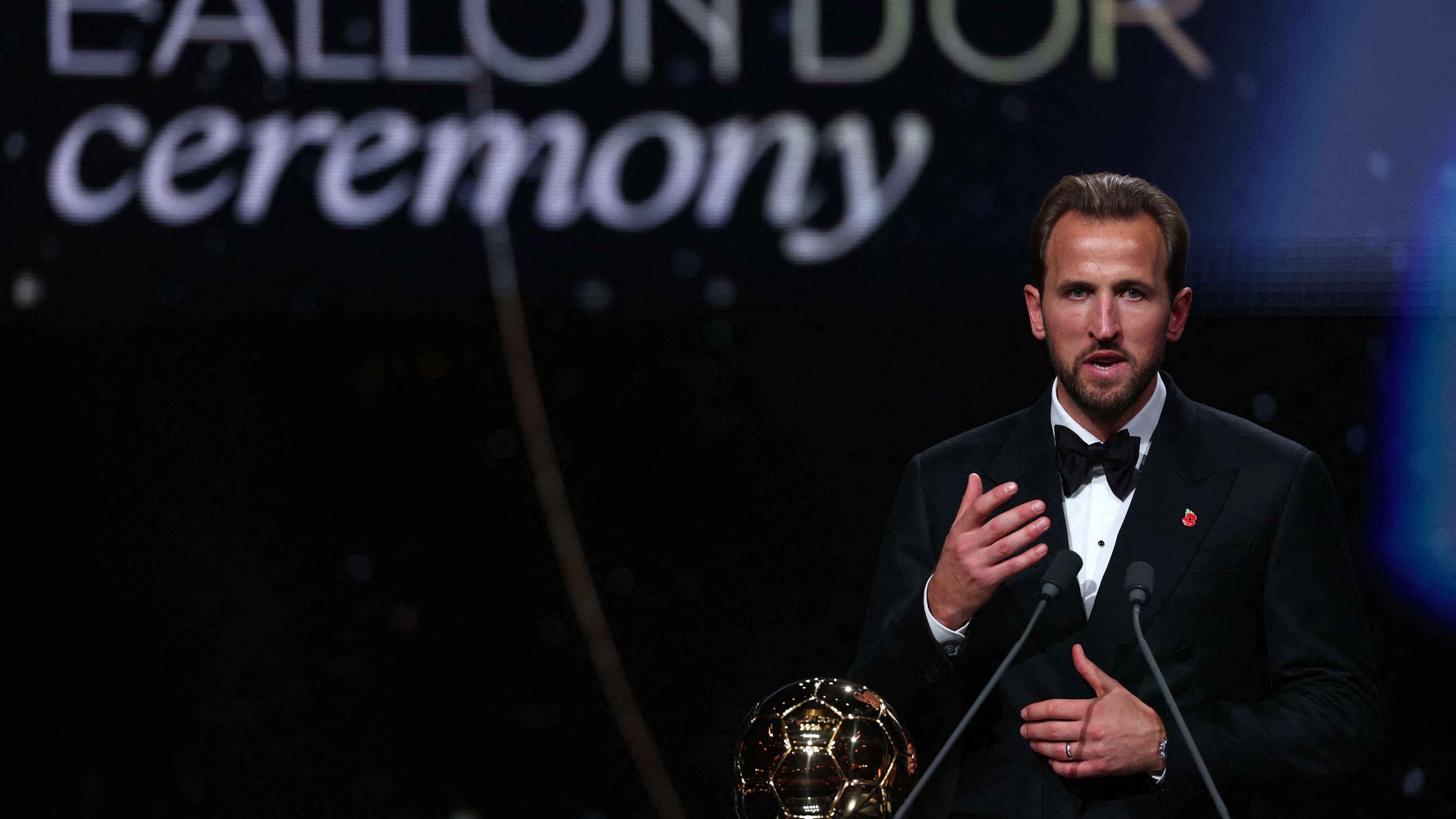
Kane made that connection visible on one of football’s biggest stages. When he collected the Ballon d’Or, he took time to acknowledge the people who had supported his journey—including Elorriaga. The gesture offered a glimpse behind the spotlight, highlighting how elite performance often depends on a team of specialists working quietly in the background.
A partnership that began during a difficult injury
According to Marca, Kane and Elorriaga began working together in March 2020, when the striker was facing a significant physical setback. On 1 January that year, Kane suffered a complete tear of the hamstring tendon in his left thigh while playing for Tottenham. The injury required surgery and kept him away from competitive football during a demanding period in his career.
A serious hamstring injury can be especially challenging for a forward whose game depends on acceleration, sharp changes of direction, balance and the ability to strike the ball powerfully. Returning to the pitch is only one part of the process. A player must also rebuild strength, restore confidence in the injured area and prepare for the repeated physical demands of top-level competition.
Elorriaga became involved in Kane’s recovery and subsequent physical preparation, designing individual sessions aimed at helping the striker regain and maintain his fitness. Their work has continued well beyond the initial rehabilitation period. It has developed into a long-term professional relationship focused on keeping Kane ready for the relentless pace of modern football.
What Kane has said about Elorriaga’s influence
Kane has been open about the value of the doctor’s contribution. Speaking to Marca last September, he described Elorriaga as someone who had played “an extremely important role” in his success. He also stressed that much of their work takes place away from public view: “We work a great deal behind the scenes.”
That description captures an often-overlooked part of an elite footballer’s routine. Supporters see match highlights, goals and celebrations, but not necessarily the individual conditioning work, recovery planning or careful monitoring that helps a player manage a long season. For a striker expected to lead the attack for both club and country, maintaining availability can be as valuable as producing a moment of brilliance.
Kane has credited the collaboration with helping him sustain a high level, appear in a large number of matches and continue to develop. His comments do not suggest that one person alone is responsible for his achievements. Rather, they underline the value of a broader support system involving medical professionals, coaches, teammates and the player himself.
Who is Alejandro Elorriaga?
Elorriaga has built his career primarily in Canada, far from the constant attention surrounding European football. As reported by the Spanish newspaper, he has led McMaster University’s contemporary medical acupuncture programme since 1998 and also works as a clinical professor in the university’s Department of Anaesthesia.
His professional focus includes pain management and functional recovery—areas that can be particularly relevant to athletes returning from injury or trying to cope with repeated physical stress. In high-performance sport, treatment is not simply about easing discomfort. Medical teams must consider how the body moves, how it responds to training and whether an athlete can safely handle the demands of competition.
Elorriaga is known for prioritising his clinical work over public attention. His profile has grown largely because Kane has spoken about the relationship and because the striker’s career provides a high-profile example of the importance of individualised preparation. The doctor’s story also reflects how modern football increasingly relies on expertise that extends beyond the club’s training ground.
Why consistency matters in today’s football
The modern football calendar leaves little room for extended recovery. Players may face domestic league fixtures, cup competitions, European matches and international duty, often with only a short break between commitments. For a leading striker, every absence can affect a team’s tactical plans, while fatigue can influence movement, decision-making and finishing.
That is why continuity has become a major asset. A reliable fitness programme can help players prepare for the physical demands of a season, respond to small problems before they become more serious and recover between matches. It cannot guarantee that injuries will never happen, but it can form an important part of a carefully managed approach to performance.
For Kane, the value of that approach is reflected in his output. The original report states that he finished the 2025–26 season with 73 goals in 65 appearances for Bayern Munich and England, the most productive campaign of his career. Those figures point to extraordinary scoring form, but they also invite a broader question: what helps a player remain available often enough to keep producing at that level?
Beyond the goals: the people behind a football prediction
Any football prediction about Kane’s next season will naturally focus on his finishing, movement and role in Bayern Munich’s attack. But assessing his prospects also means considering the less visible factors that support performance: fitness, recovery, workload and continuity. A striker’s statistics are shaped by talent and opportunity, but also by the ability to train and compete consistently.
Elorriaga’s contribution is one part of that picture. Kane still depends on his own discipline, his teammates’ service and the tactical structure around him. Yet the England international’s public gratitude makes clear that specialist support has mattered throughout his journey. The doctor may not be present in the celebrations, but his work is part of the wider story behind them.
In a sport where attention usually follows the ball, Kane’s recognition of Elorriaga offers a reminder that success is rarely achieved alone. The goals belong to the striker, but the preparation behind them involves many people whose names are seldom heard. For one of football’s most prolific forwards, a trusted medical professional has become an important ally—quietly helping him meet the demands of the game, season after season.