
Real Madrid and Kylian Mbappé Apologise as China Controversy Puts La Liga Partnerships Under Pressure
Real Madrid has issued an official apology after remarks attributed to Kylian Mbappé triggered a backlash in China, creating a diplomatic and commercial challenge for the club and Spanish football. The forward had already expressed regret to Chinese people, while La Liga president Javier Tebas also apologised on behalf of the competition as officials sought to limit the damage.
The controversy began after Mbappé commented on a satirical image comparing him with former Chinese leader Mao Zedong. His response was widely criticised, and the dispute quickly moved beyond social media. Reports of suspended broadcasts, withdrawn advertising and ended sponsorship agreements raised concerns about the impact on football’s relationship with Chinese audiences and business partners.
Mbappé says his comment was ill-judged
In his statement, Mbappé acknowledged that his reaction to the image had caused offence. He said he had not intended to hurt anyone, but recognised that his words had affected people in China and Chinese communities around the world.
“During an interview conducted with me recently, I commented on an image of myself, but my comment was ill-judged, and I now realise that it caused hurt to the feelings of many in China and in Chinese communities around the world,” he said.
The Real Madrid star added that he was sorry to those who had been distressed and stressed his respect for Chinese people and their history. The apology was an attempt to address the reaction directly, rather than allow speculation about his intentions to define the incident.
Real Madrid followed with its own official statement, expressing regret over the fallout and recognising the importance of its relationship with supporters and partners in China. For a club with a global fanbase, the episode illustrates how a brief public remark can quickly become an international issue—particularly when it involves a sensitive historical reference.
Reports of broadcast and sponsorship fallout
The consequences have reportedly reached the commercial and broadcasting sides of the sport. Spain’s official news agency reported that Chinese state broadcaster CCTV had stopped showing La Liga matches, as well as games involving Mbappé. It also reported that advertisements and video content featuring the forward had been removed.
Chinese companies were also said to have ended commercial agreements with the player. If sustained, such decisions could affect more than Mbappé’s personal sponsorship portfolio. High-profile footballers often serve as a bridge between clubs, leagues and overseas markets, and their commercial value depends in part on the trust of audiences and brands.
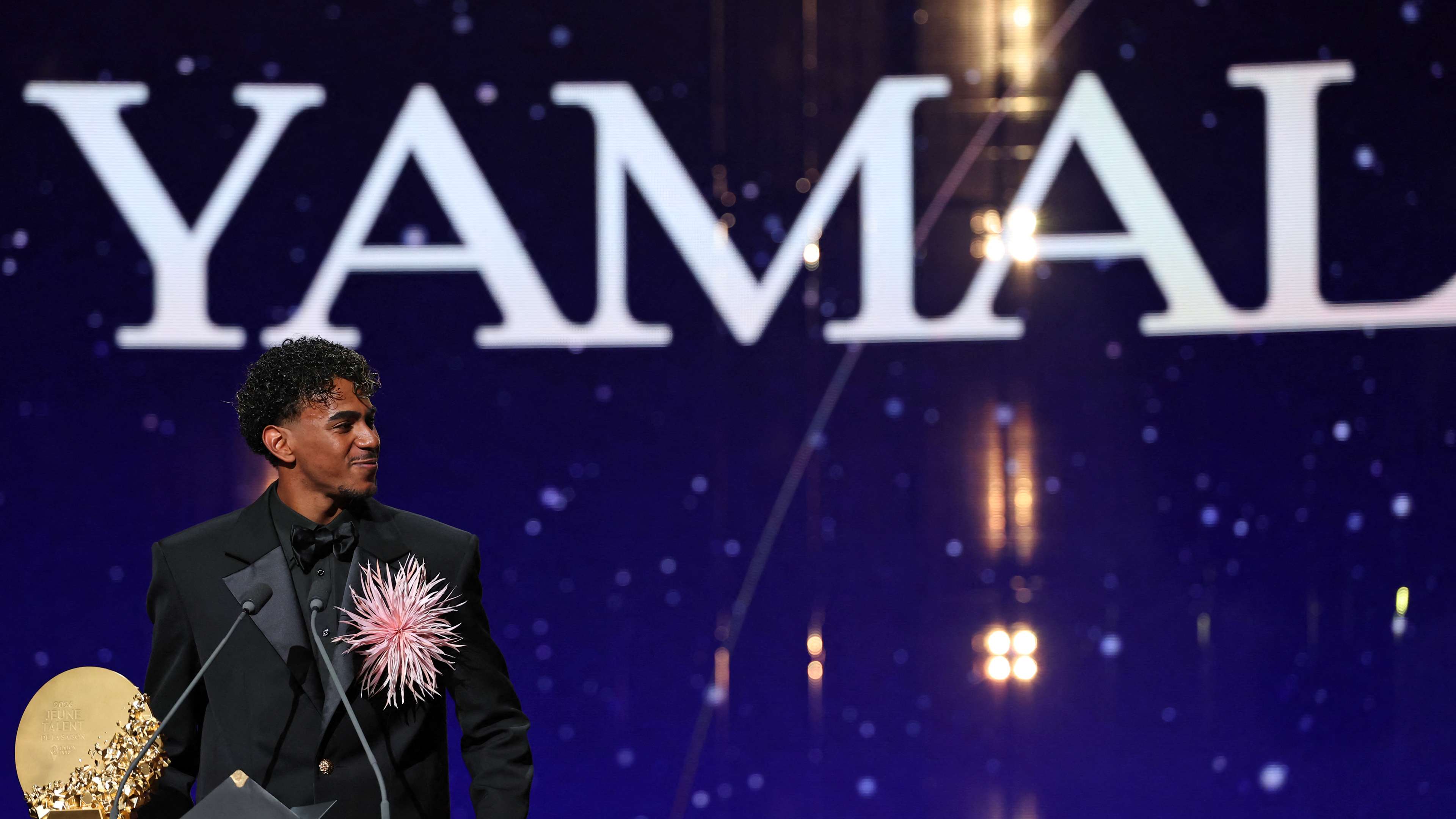
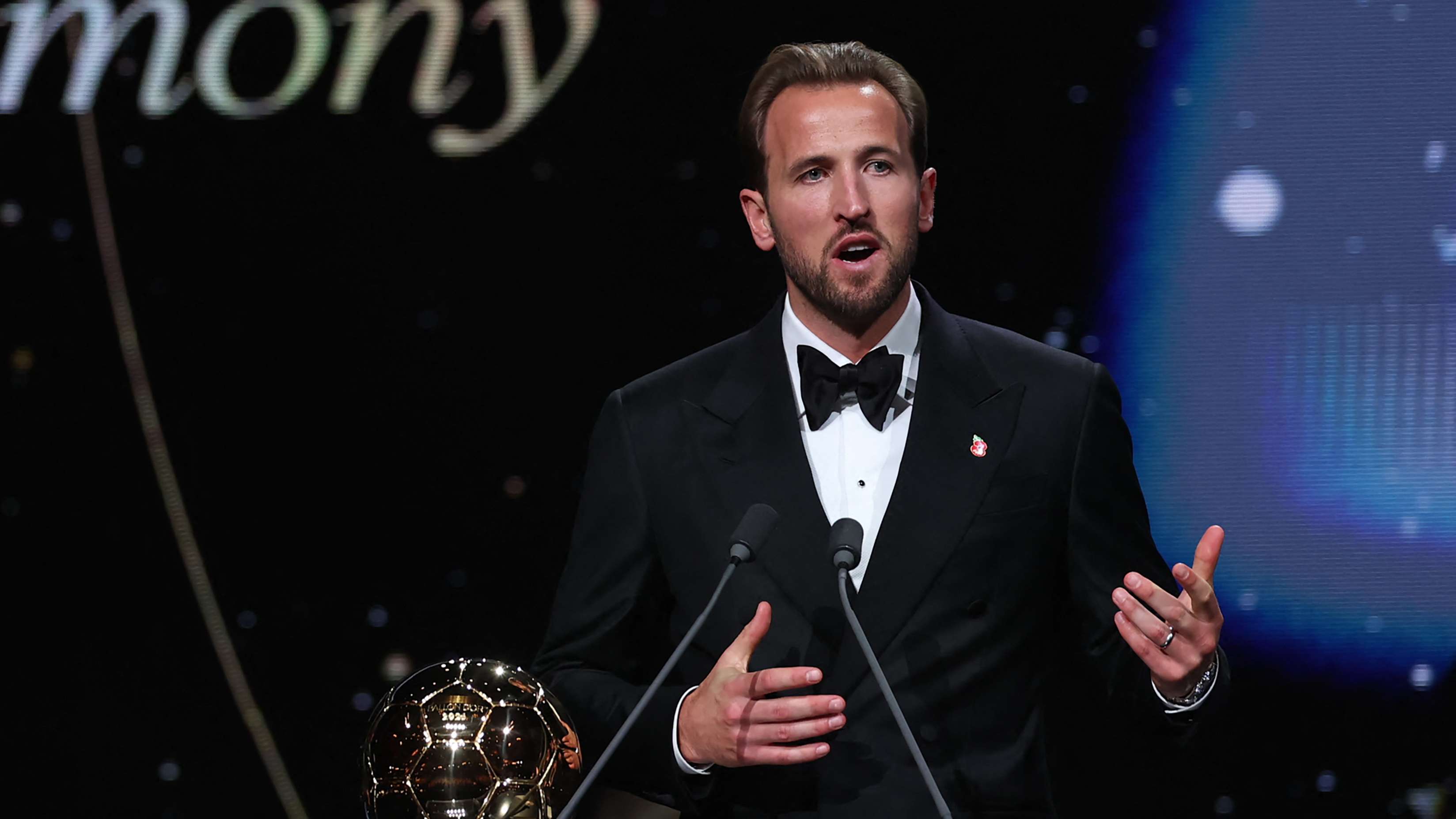
The response extended to Dongqiudi, a major Chinese sports platform. After Mbappé placed second behind England’s Harry Kane in its 2026 Ballon d’Or ranking, the platform reportedly replaced the Frenchman’s name with a phrase translated as “this person does not exist.” The move underscored how the dispute had become a prominent topic in Chinese football coverage.
These developments should be understood as reported reactions rather than a complete picture of every broadcaster or commercial partner’s position. Still, they demonstrate the speed with which online controversy can affect a sport’s international profile. For clubs and leagues, the challenge is not only responding to criticism but also clarifying what steps are being taken to rebuild confidence.
La Liga seeks to protect its relationship with China
Javier Tebas apologised to Chinese people on behalf of La Liga and said the organisation was working with partners and relevant parties to overcome the crisis. He also highlighted the importance of preserving relationships Spanish football has developed in China over many years.
China is an important market for global football, with a large audience for European leagues, major clubs and elite players. Broadcasting agreements, sponsorships and digital coverage all contribute to that connection. A disruption can therefore have consequences beyond a single matchday, affecting how fans access the competition and how companies assess future partnerships.
La Liga’s response is also significant because the league has a broader responsibility than any one club or player. While Real Madrid must address the impact on its own reputation, the competition must reassure broadcasters, sponsors and supporters that concerns are being taken seriously. That process may involve direct communication, careful review of commercial arrangements and consistent public messaging.
Why the incident matters for football’s global image
Modern football operates across languages, cultures and political histories. A comment that appears casual in one setting may carry a different meaning elsewhere, particularly when it touches on a figure or event with deep significance. The Mbappé controversy is a reminder that global stars are not only athletes: they are also public representatives whose words can influence club and league relationships around the world.
That does not mean every public response will produce the same outcome. The effect of an apology depends on whether audiences view it as sincere and whether it is followed by meaningful engagement. In this case, Mbappé’s statement acknowledged the hurt caused and expressed respect, while Real Madrid and La Liga also moved to respond. The next test will be whether those steps help restore trust with Chinese fans and commercial partners.
From a football perspective, the timing adds another layer of attention. Real Madrid’s upcoming fixtures will continue to draw global interest, but the immediate conversation around the club is focused on reputation, accountability and the future of its China-facing relationships. Any prediction about how quickly the controversy will fade remains uncertain: broadcast and sponsorship decisions can be reviewed, but repairing confidence may take longer.
For now, the club, the player and La Liga are engaged in damage control. Their response will be judged not only by the wording of their apologies, but also by the care and consistency with which they address the concerns raised. The episode offers a wider lesson for international football: success in a global market depends on sporting performance, but also on cultural awareness, communication and respect.