
Frenkie de Jong Faces a Major Barcelona Midfield Battle as His Return Nears
Frenkie de Jong is edging closer to a return to competitive football, but getting back onto the pitch is only the first challenge. The Barcelona midfielder may also have to fight harder than ever to reclaim a regular starting role, with the club’s midfield picture changing significantly during his absence.
Former Netherlands international Khalid Boulahrouz has warned that De Jong’s route back into Hansi Flick’s preferred XI is far from straightforward. Speaking on Ziggo Sport, in comments reported by Sport, Boulahrouz pointed to the arrival of Rodri as a major factor in the competition. In his view, the Spanish midfielder has established himself as a central figure in the team and could make it difficult for De Jong to return to his former position.
Rodri’s role reshapes Barcelona’s midfield
Boulahrouz described Rodri as an almost certain starter, highlighting his ability to win possession, contribute in attack and influence matches across the pitch. He argued that the midfielder is ideally suited to the holding role in Flick’s system, where his defensive awareness and composure can provide a platform for Barcelona’s more attack-minded players.
“As long as Rodri is there, I think that will remain his position,” Boulahrouz said. “He is an undisputed starter, and he is currently the best midfielder in the world.”
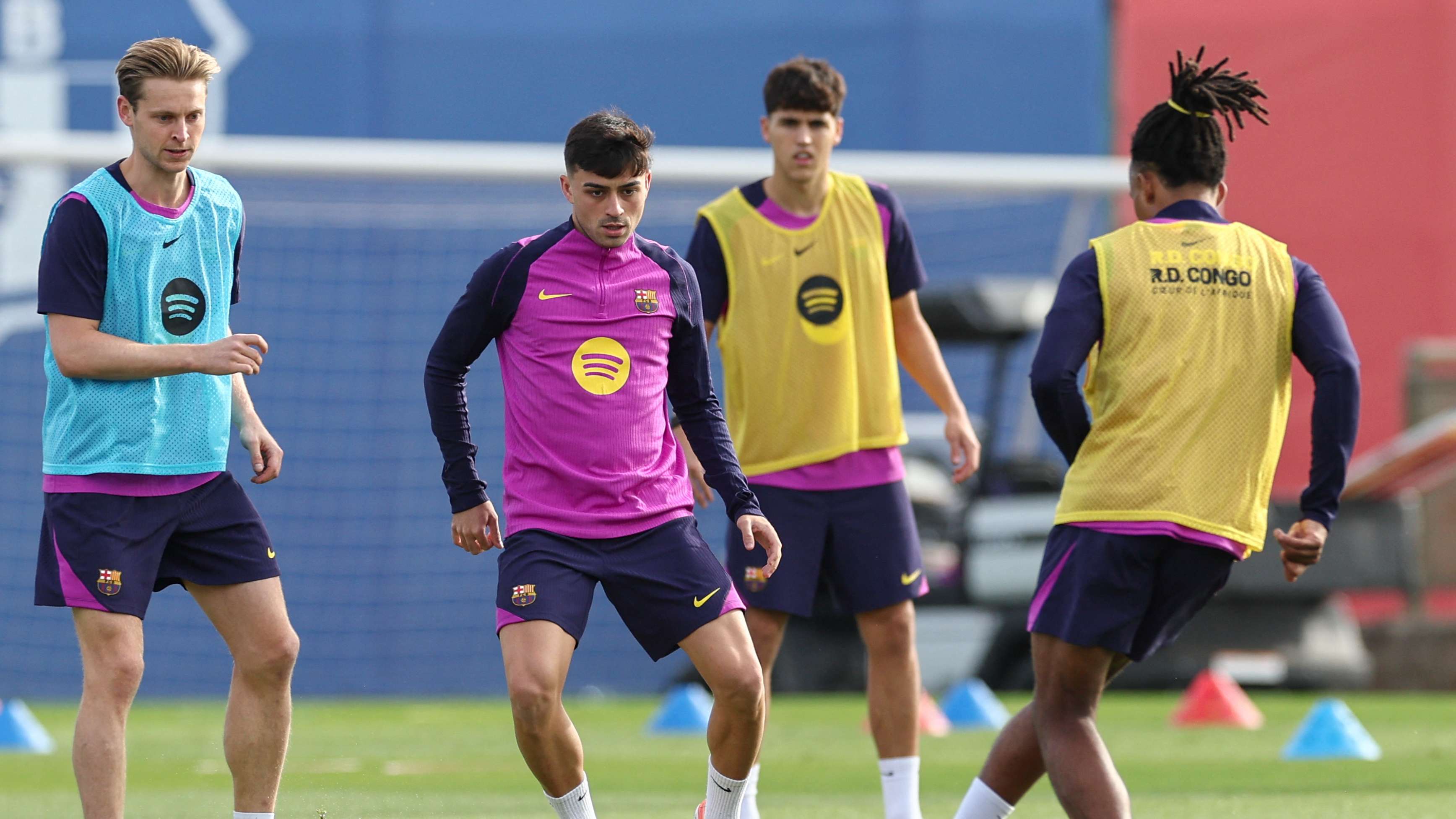
If Rodri occupies the deepest midfield position and players such as Dani Olmo or Fermín López are used in more advanced areas, the remaining central role could become the focus of a direct contest between De Jong and Pedri. Both offer technical quality and the ability to control possession, but their strengths are not identical.
Pedri and De Jong offer different qualities
Boulahrouz said Pedri is more naturally inclined to connect the midfield with the forwards, arriving in advanced positions and helping Barcelona progress attacks near the opposition penalty area. De Jong, by contrast, often plays a key part earlier in the build-up. He can receive the ball under pressure, carry it through midfield and help launch attacks from deep.
That distinction could matter when Flick decides how to balance control, creativity and defensive security. Against teams that press aggressively, De Jong’s ability to receive and advance the ball may be especially valuable. In matches where Barcelona need more movement between the lines, Pedri’s forward connections could prove decisive.
“It will be a real competition between Pedri and Frenkie,” Boulahrouz said, while stressing that both are outstanding players. He also noted that De Jong remains important to Barcelona both in and out of possession—an indication that his contribution cannot be judged solely by goals or assists.
Could Flick find room for both?
Although the competition for places is likely to be intense, Boulahrouz did not see the situation as a simple choice between Pedri and De Jong. He suggested that the pair could operate together in a three-man midfield alongside Rodri, creating a combination of defensive protection, ball progression and attacking support.
In that arrangement, Rodri would provide the anchor in front of the defence, while De Jong could help Barcelona build from the back and Pedri could move into more advanced spaces. The idea would give Flick several ways to control the game: Rodri could disrupt opposition attacks, De Jong could carry possession through pressure, and Pedri could help link midfield with the forwards.
Such a midfield triangle could be particularly useful against opponents who defend in a compact shape. De Jong’s ability to move the ball into central areas might draw defenders out of position, creating room for Pedri or Barcelona’s attackers to exploit. However, the balance would depend on the team’s wider structure, including the positioning of the full-backs and the amount of defensive work required from the midfielders.
Fitness and tactical flexibility will shape De Jong’s return
De Jong is in the final stages of recovery from the knee injury he sustained during the World Cup, and his immediate priority will be to regain full fitness and match sharpness. Returning from a significant injury can require more than medical clearance: players also need time to rebuild rhythm, confidence and the ability to cope with the pace of top-level football.
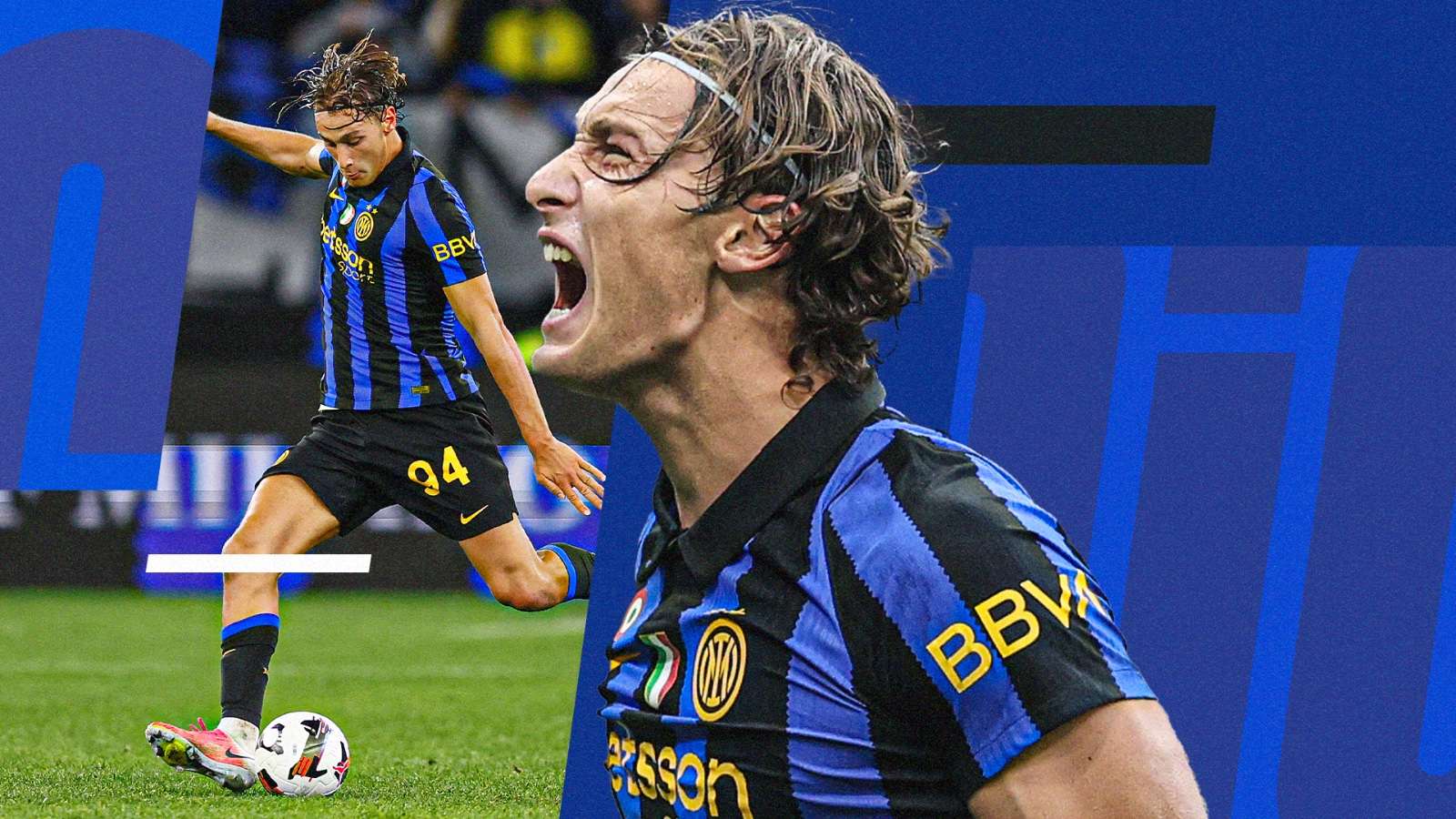
For Flick, the challenge will be deciding how quickly to reintegrate him and which role best suits the team. Barcelona’s midfield options also include Marc Bernal and Gavi, giving the coach further combinations to consider. Their availability and form could influence whether De Jong is introduced gradually, used in rotation or asked to adapt to a different position.
Reports have also suggested that Flick is considering the possibility of using De Jong as a central defender. That would be a notable tactical change, but his comfort on the ball and experience building attacks from deep could make the idea appealing in certain situations. Any move to defence, however, would depend on the team’s needs and De Jong’s suitability for the physical and positional demands of the role.
Barcelona prediction: a competition, not a guaranteed return
De Jong’s contract runs until 2029, so Barcelona have time to assess how he fits into Flick’s plans. His long-term future at the club is not the only question; the more immediate issue is whether he can regain a consistent place in a midfield that has gained new options and a clearer tactical structure.
The most likely prediction is that De Jong will need to earn his minutes through fitness, performances and adaptability rather than simply returning to his previous status. If he can quickly recover his ability to progress the ball and help Barcelona escape pressure, he could become an important part of the rotation—or even form a complementary partnership with Pedri and Rodri.
For supporters following Barcelona football, the contest offers more than a straightforward battle for one starting spot. It gives Flick the chance to build a midfield around distinct strengths, with the final decision likely to depend on the opponent, the match situation and the players’ form. De Jong’s return may therefore create a tactical opportunity as much as a selection dilemma.