
Manuel Neuer’s Bayern Munich Future Under Scrutiny After Augsburg Errors
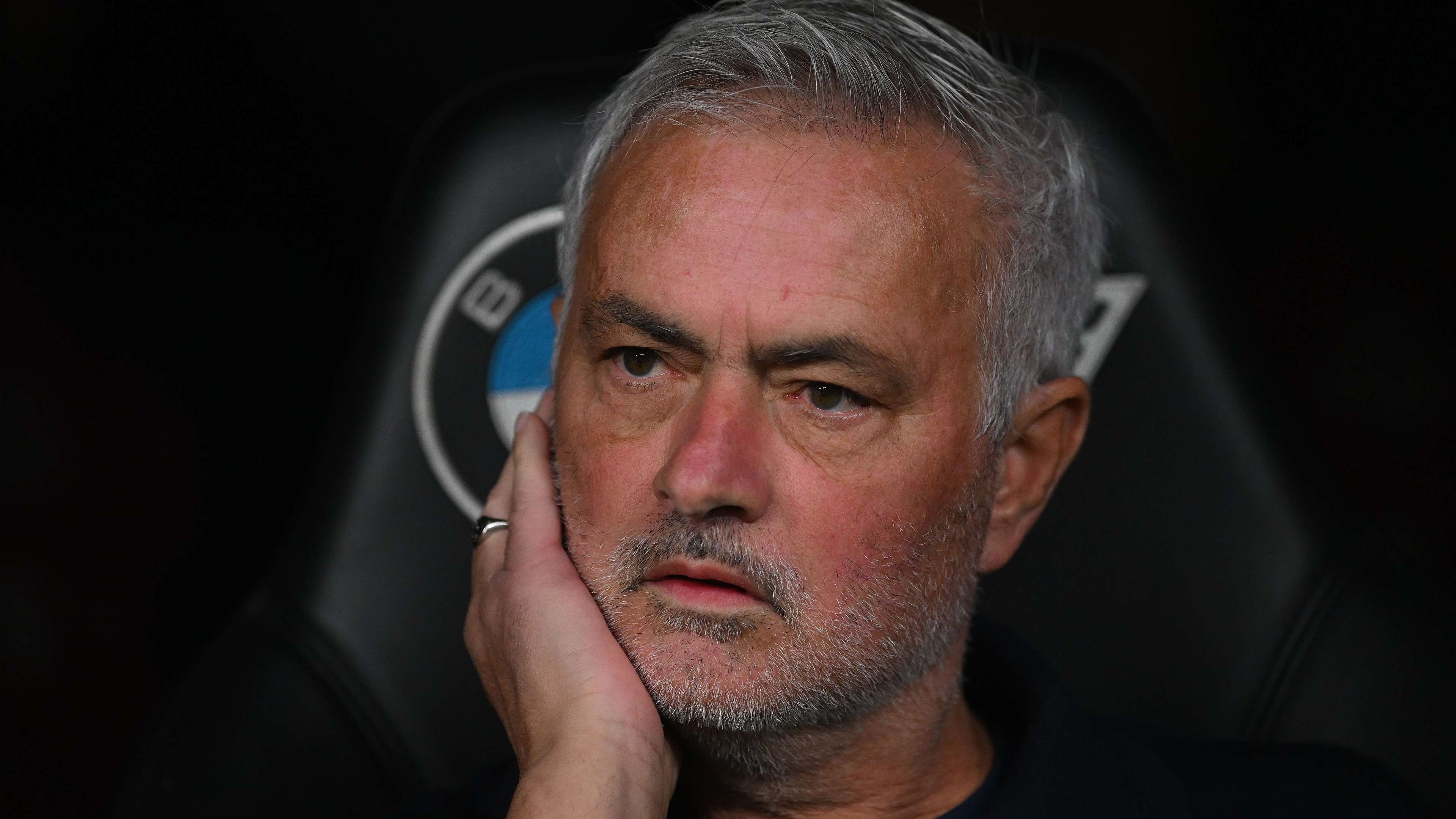
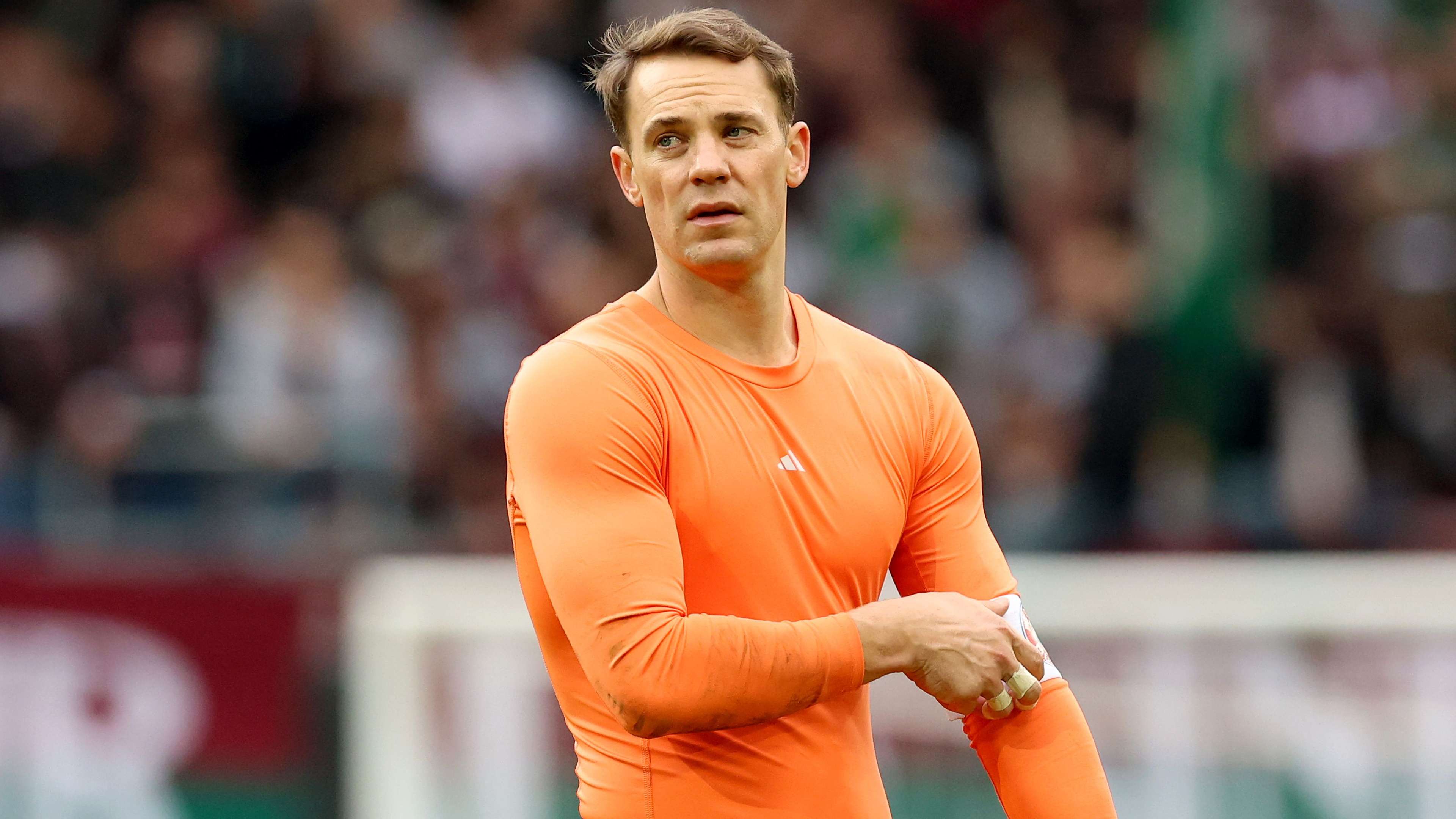
Manuel Neuer’s latest difficult afternoon has reignited a debate that Bayern Munich would prefer to postpone: when should a club know that a legendary goalkeeper’s time as its first choice has come to an end? Former Bundesliga coach Mirko Slomka, who gave Neuer his professional debut at Schalke, says Bayern must assess the 40-year-old honestly rather than allow his remarkable career to shield him from difficult questions.
Neuer was criticised after making costly errors in Bayern’s 2-2 draw with Augsburg last weekend. His mistake contributed to Augsburg’s opening goal, and another uncertain moment preceded the visitors’ second. The performance prompted Slomka to ask in his Instagram column, The Second Look: “Has Manuel Neuer missed his final whistle?”
It was a pointed question from someone who knows the goalkeeper’s early career better than most. Slomka was Schalke’s head coach when Neuer made his Bundesliga debut in August 2006. The then 20-year-old quickly established himself as the club’s first-choice goalkeeper, earning the trust of a coach who saw exceptional potential in him.
Slomka Calls for the Same Honesty Bayern Once Showed Neuer
Slomka says his decision to back Neuer as a young player was based on what he saw on the pitch, not simply on the goalkeeper’s promise. “I trusted him back then because I was convinced by his performances. There was an exceptional goalkeeper in front of me,” he said.
In Slomka’s view, Bayern’s assessment today should follow the same principle. Neuer’s achievements and status deserve respect, but they should not prevent the club from asking whether his current performances meet the team’s needs. The former coach believes someone within Bayern must be prepared to speak candidly if the evidence suggests a change is required.
“Who is strong enough to tell such a great winner, at the right time, when it is time to stop?” Slomka asked. His comments reflect a familiar challenge in elite sport: players who have built their careers by overcoming doubt may find it especially difficult to recognise when age, injuries or changing demands have begun to alter their level.
Why Bayern’s Goalkeeper Decision Matters
The discussion is not simply about one afternoon against Augsburg. Bayern are navigating a transition in goal, with Jonas Urbig, 17 years younger than Neuer, being given opportunities as the club considers its longer-term succession plan. Neuer’s contract runs until next summer, and he is expected to retire after the current season, although his future remains a subject of public debate.
Former Germany international Steffen Freund has argued that Bayern should bring forward the handover, suggesting on Sky90 that Urbig should take over by the second half of the season at the latest. That view reflects the practical case for giving a younger goalkeeper meaningful experience before a permanent change becomes unavoidable. Regular minutes can help a successor adjust to the pressure of Bayern’s expectations, while allowing the coaching staff to evaluate him in competitive situations.
However, changing goalkeepers is not a straightforward response to a poor performance. Neuer remains an experienced leader, and a single match—however damaging—cannot fully define his contribution or his ability. Bayern must weigh his shot-stopping, decision-making and fitness against Urbig’s readiness and the demands of the team. That balance is particularly important for a club competing for major honours, where errors can have immediate consequences.
Bayern’s Leadership Continues to Back Neuer
Bayern’s senior figures have so far rejected the idea that Neuer’s position should be questioned because of the Augsburg mistakes. Sporting board member Max Eberl defended the goalkeeper, noting that errors are part of a long professional career.
“Manu made a mistake. In the two decades he has now played professional football, that has certainly happened to him once or twice before. Accordingly, we have no doubts about Manu at all,” Eberl said on Monday.
That public support may help protect Neuer from an immediate reaction to criticism, but it does not settle the longer-term question raised by Slomka. Bayern’s coaches and decision-makers still have to judge what Neuer can deliver now, how reliably he can remain available and what the team needs in the months ahead.
Slomka cautioned against treating a couple of errors as proof that a career is over. At the same time, he argued that a celebrated record should not guarantee a player indefinite protection from scrutiny. “A great career must not be a free pass either,” he said, urging Bayern’s leadership and head coach Vincent Kompany to reach an honest conclusion and communicate it clearly, even if the answer is difficult for Neuer to hear.
Injury Gives Urbig a Champions League Opportunity
Urbig is set to start in Bayern’s Champions League match away to Viking Stavanger on Tuesday evening, but the selection is not a direct response to Neuer’s performance against Augsburg. Neuer is unavailable because of a foot problem. Kompany said the goalkeeper “felt something in his foot” and described the issue as not particularly serious, while stressing that Bayern had no reason to take a risk.
The absence adds another layer to the succession debate. Neuer also missed spells last season because of muscular problems, making fitness and availability important parts of any assessment. For Urbig, the European fixture offers a chance to gain experience in a high-profile setting, though one appearance alone is unlikely to determine Bayern’s plans.
For supporters following Bayern Munich football, the central question is therefore not whether Neuer’s career deserves admiration—it clearly does—but how the club should manage the final stage of it. The best prediction is that Bayern will continue to evaluate both goalkeepers through performance, fitness and the team’s competitive needs rather than make a permanent decision based on one match. Slomka’s intervention nevertheless underlines the importance of timing: a respectful transition, handled early enough, may serve the player and the club better than waiting until the choice is forced upon them.