
Touchline Footage Reignites Debate Over Real Madrid’s Controversial Goal Against Sevilla
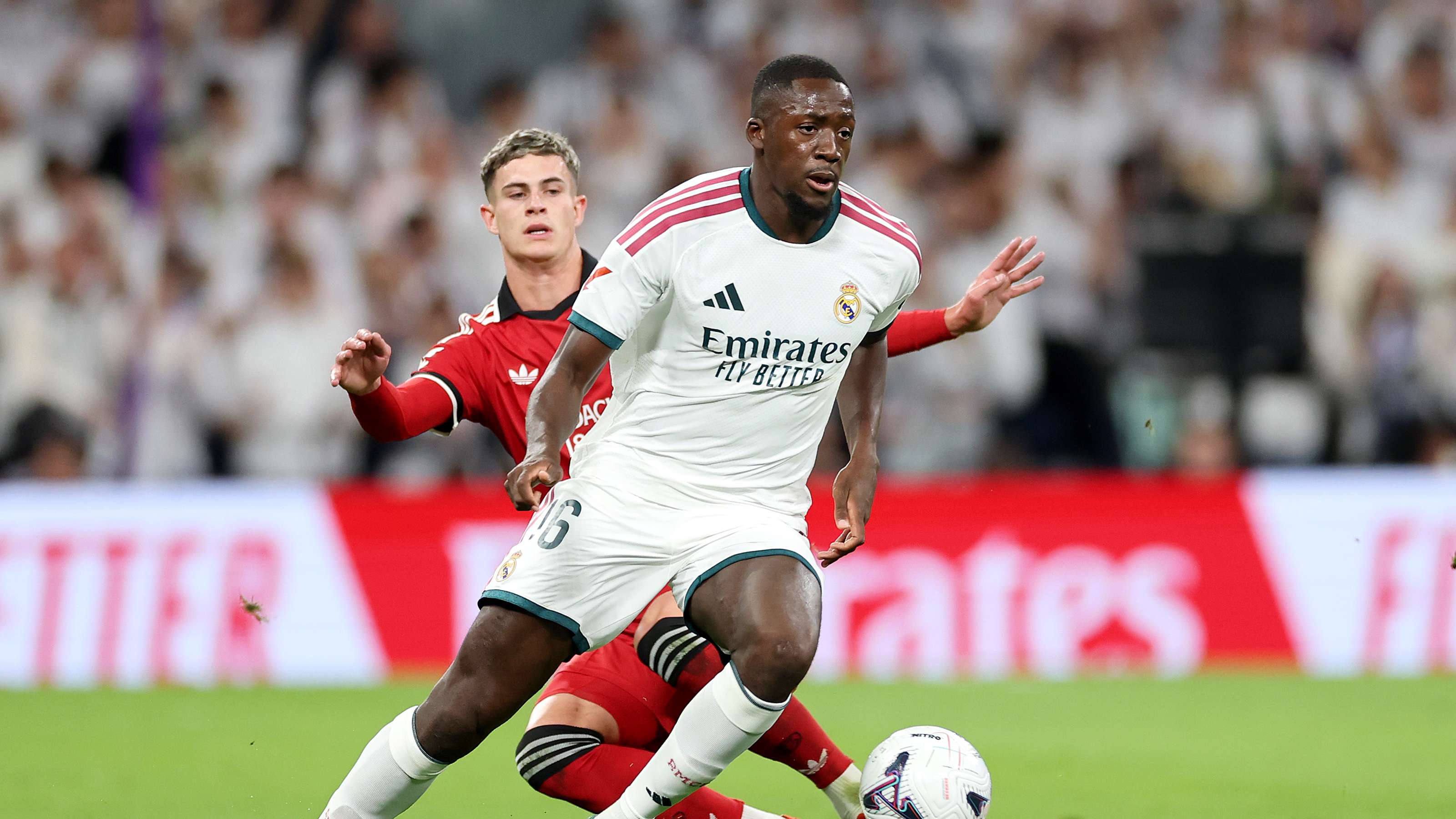
Fresh footage from the touchline has renewed scrutiny of the officiating in Real Madrid’s 4-1 La Liga victory over Sevilla. The debate centres on the build-up to Kylian Mbappé’s goal, after a new camera angle appeared to show contact between Madrid defender Konaté and Sevilla’s Auri moments before the ball crossed the line.
The images, captured by Spanish television programme El Día Después and broadcast by Movistar Plus Deportes, offer a view that was not included in the live match coverage. From close to the pitch, the footage shows Konaté moving across Auri’s path as the play develops. The referee allowed the action to continue, and Madrid went on to score through Mbappé.
That sequence has prompted fresh questions among viewers, analysts and Sevilla supporters: should the contact have been called as a foul, and would a stoppage have prevented the goal? The new angle does not, by itself, settle the argument, but it gives audiences more detail with which to assess the incident.
What the New Angle Appears to Show
According to reports from Marca, the camera focused on the interaction between Konaté and Auri in the moments before Mbappé finished the move. The defender appears to step across the Sevilla player’s route, making contact as both compete for position. With play continuing, Madrid retained possession and completed the attack.
Analysts discussing the footage on Movistar Plus Deportes argued that the contact looked significant enough to merit a foul. Their view is that if the referee had stopped play at that point, Mbappé’s goal would not have followed from the same passage of football. Sevilla also protested the incident, maintaining that the challenge affected its player and the development of the move.
However, judging a collision from one angle is rarely straightforward. A camera positioned near the touchline can reveal movement and contact that may be difficult to see from the referee’s position, but it can also distort distance and make an incident appear more forceful than it was. The key questions are whether Konaté impeded Auri unfairly, whether there was a hold or push, and whether the contact was enough to meet the standard for a foul.
Why the Footage Matters to the Officiating Debate
The programme explained that the recording came from one of its own cameras and was not part of the live broadcast. That distinction is important. Match officials and VAR can only review the images available within the match’s official broadcast and review system. A camera angle released later may add context for the public, but it does not automatically mean the officials had access to that same view during the game.
The original explanation for allowing the goal to stand was that the available images did not clearly establish what had happened between the players, including whether Konaté had held his opponent. The newly circulated footage has challenged that assessment in the court of public opinion. It gives viewers a more direct view of the pair’s movement, even if it cannot independently prove what the referee or VAR saw at the time.
That gap between the evidence available during a match and footage published afterwards is a recurring source of frustration in modern football. Supporters often expect VAR to use every camera angle, while the technology is limited to the feeds supplied to the review team. When additional footage emerges later, it can make a decision look different without necessarily showing that the officials ignored evidence available to them.
How VAR and the Referee’s Decision Are Assessed
Under the usual VAR framework, a goal can be reviewed for a possible attacking foul in the build-up. But intervention is generally reserved for a clear and obvious error or a serious missed incident, rather than every debatable contact. If officials judged the challenge to be a normal contest for position—or could not clearly identify a foul—the goal could remain valid.
The challenge for viewers is that football’s laws require interpretation. Not every shoulder-to-shoulder contest is illegal, and not every instance of contact amounts to holding or obstruction. The referee must consider the players’ actions, the force involved, their positions and whether one player unfairly prevented the other from playing the ball. A still image or a brief clip may not capture all of those details.
Even so, the incident highlights why transparency matters. When a decisive goal follows a disputed challenge, clear explanations of the review process can help supporters understand why play continued. Releasing relevant VAR audio or outlining which angles were available could also reduce speculation, particularly when later footage appears to contradict the first account of an incident.
What the Controversy Means for Real Madrid and Sevilla
Real Madrid ultimately won 4-1, but the scoreline has not ended discussion of the match. For Madrid, the goal remains part of a commanding result; for Sevilla, the disputed build-up has become a focal point in the post-match conversation. That contrast is common after high-profile La Liga fixtures, where a single decision can dominate coverage even when the final margin is substantial.
The footage is unlikely to change the result, but it may influence how fans remember the match and how analysts assess the refereeing performance. It also provides a useful reminder that football decisions are judged not only by the final outcome, but by the consistency and clarity of the process behind them.
Prediction: The Debate Is Likely to Continue
With the touchline angle now circulating, discussion of the incident is likely to continue across Spanish football media and among supporters. The footage strengthens the case for those who believe Auri was unfairly impeded, while others may argue that the contact was insufficient to justify overturning the goal. Without a full account of the images and communication available to the match officials, a definitive judgment remains difficult.
For fans following the next round of La Liga fixtures, the episode is another reminder to watch not only the finish but also the build-up. In a sport where margins are small, a brief challenge can shape a goal, a result and the conversation that follows. The central question remains whether Konaté’s contact crossed the line from physical play into a foul—and whether the officials had enough evidence to act.