
Gary Neville Warns Manchester United: Midfield Problems Could Derail Their Season
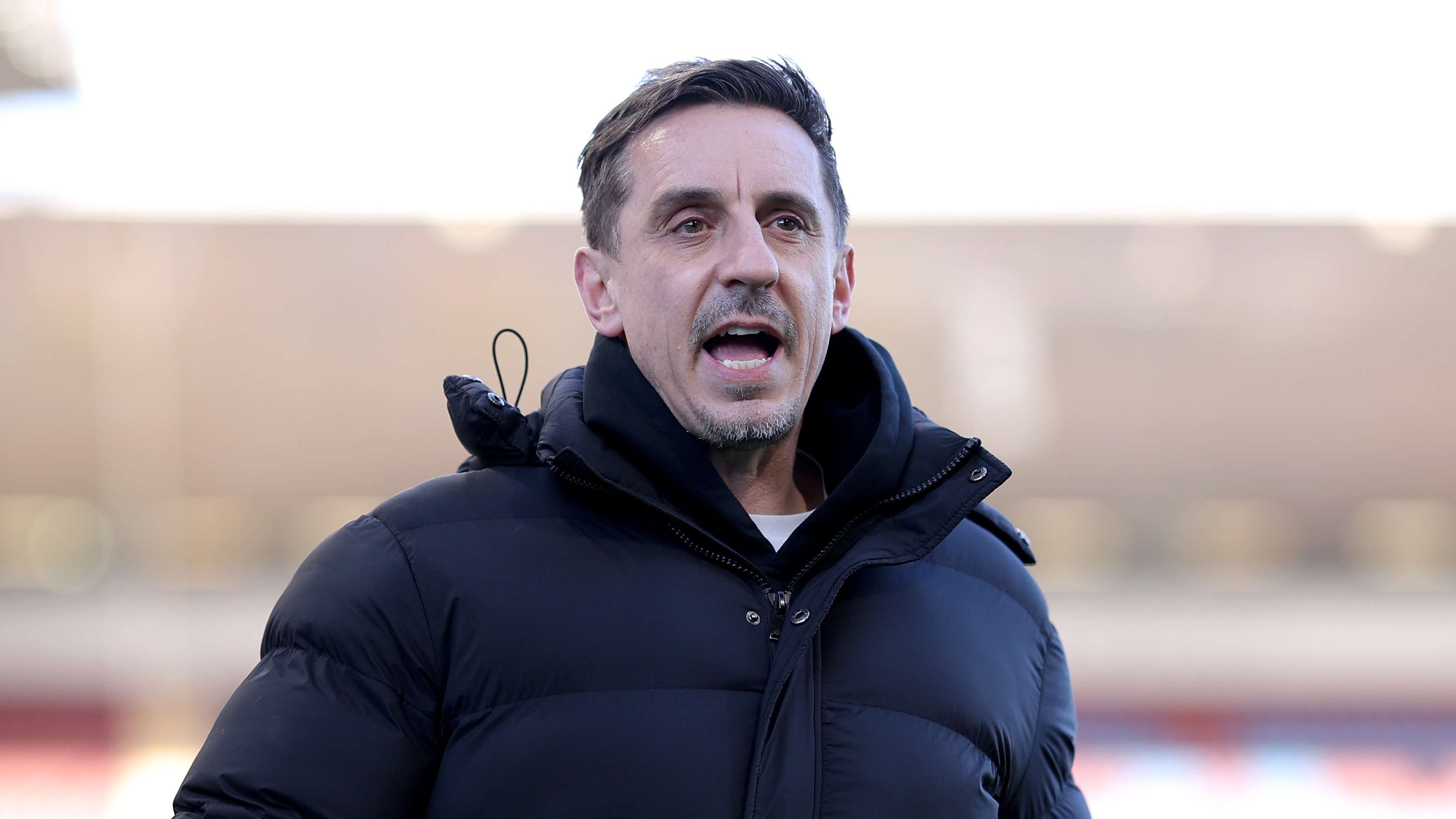
Manchester United’s frustrating draw with Tottenham Hotspur has renewed concerns about the team’s direction, with club legend Gary Neville warning that their midfield problems need urgent attention. United sit 12th in the Premier League standings, and Neville believes the performances in the middle of the pitch could leave them vulnerable during a demanding stretch of upcoming fixtures.
The result against Spurs offered another reminder that possession alone is not enough. United need to control the tempo, protect their defence and move the ball forward with greater purpose. Without a more reliable midfield structure, the team risks being pulled apart by opponents who can press aggressively, counter quickly or dominate central areas.
Why Neville’s warning matters
Neville’s comments carry particular weight because he understands the expectations and pressures surrounding Manchester United. Supporters do not judge the club solely on isolated results; they also look for signs of a coherent plan and consistent progress. A draw may not be a disaster in itself, but it becomes more concerning when it follows performances that expose the same weaknesses.
United’s position in 12th makes every dropped point significant. The gap between a poor run and a recovery can narrow quickly in a crowded league table, especially when teams around them are collecting results. Neville’s warning is therefore about more than one match: it is a call to address a recurring issue before it shapes the rest of the campaign.
The midfield challenge: control, cover and creativity
A successful midfield has to perform several jobs at once. Players must offer passing options, win second balls, track runners and provide protection when possession is lost. They also need to connect the defensive line with the forwards, helping the team progress up the pitch rather than relying on hurried passes or individual moments of skill.
When those responsibilities are not balanced, the consequences can be visible across the entire side. Defenders may be left exposed to direct attacks, while forwards receive the ball too far from goal or with too little support. United can also struggle to maintain pressure after losing possession, giving opponents time to escape and launch counterattacks.
Against a team such as Tottenham, which can threaten through quick transitions and movement between the lines, midfield organisation is especially important. United need enough discipline to close dangerous spaces, but also enough confidence to keep the ball and build attacks. Simply adding more defensive-minded players may improve protection, yet it could leave the team short of invention. The challenge is finding the right balance.
What Michael Carrick must address
For Michael Carrick and his coaching staff, the immediate task is to identify whether the problem lies in personnel, positioning, tactics or a combination of all three. Midfielders may need clearer roles, with defined responsibilities for pressing, covering space and supporting the attack. Better distances between players could also help United keep possession and respond more quickly when the ball changes hands.
Selection will be another key decision. A midfield combination that looks promising on paper may not work effectively if the players have similar strengths or leave the same gaps. Carrick must consider how each option fits the opponent and the demands of the match, rather than relying on a fixed setup regardless of circumstances.
There is also a question of how United build from the back. If the first pass is predictable, opponents can press with confidence and force mistakes. Giving defenders more nearby passing options—and encouraging midfielders to receive the ball under pressure—could help the team move forward in a more controlled way. That improvement would benefit both the defence and the attack.
Upcoming fixtures raise the stakes
Neville’s concern is sharpened by the prospect of a difficult run of matches. Strong opponents are likely to test United’s ability to defend transitions and compete for control in central areas. If the same weaknesses persist, the club could face a sequence of results that deepens frustration among supporters and makes a climb up the table harder.
That does not mean a poor outcome is inevitable. A clear tactical adjustment, improved communication and more disciplined positioning can make a meaningful difference, even before the transfer market offers new options. United’s players will need to show greater concentration across the full 90 minutes, particularly in the moments immediately after possession is lost.
For fans following the football prediction conversation around Manchester United, the midfield is likely to be a central factor in assessing the team’s prospects. Predictions based only on the club’s reputation or attacking talent may miss the practical issue: United must first become harder to play through. Until they demonstrate greater control, expectations should remain cautious.
Why one draw can reveal a bigger issue
A draw with Tottenham is not, by itself, proof that United are heading for a disastrous spell. Football results are shaped by fine margins, and a single match can be influenced by finishing, individual errors or a moment of quality from the opposition. But repeated difficulties in the same area deserve attention, particularly when they affect both defensive stability and attacking rhythm.
The most encouraging response would be visible on the pitch. United need to show that they can keep their shape when pressed, move the ball through midfield with purpose and prevent opponents from turning recoveries into dangerous breaks. Those improvements would provide a stronger foundation than relying on late goals or isolated flashes of brilliance.
Neville’s message is ultimately a warning and a challenge. Manchester United have time to respond, but the margin for complacency is shrinking. If Carrick’s squad can address its midfield struggles, the draw with Tottenham may become a turning point rather than the start of a damaging run. If not, the club could find that its league position—and its ambitions for the season—come under increasing pressure.