
The Historic Night in Hamburg: The Netherlands’ Triumph Over West Germany in Euro 1988
Football has a unique ability to transcend mere sport, becoming a vessel for national identity, emotional catharsis, and historical redemption. Few matches in history encapsulate this power better than the semi-final of the 1988 European Championship held in Hamburg, where the Netherlands achieved a momentous 2-1 victory over West Germany. This game not only propelled the Dutch team into the final but also symbolized the end of a long-standing rivalry rooted in painful memories and unfulfilled dreams.
A Night That Reshaped Dutch Football Legacy
On a humid summer evening at the Volksparkstadion, the atmosphere was thick with anticipation, tension, and historical weight. For the Dutch, this was more than just a game; it was a chance at redemption. The 1974 World Cup final defeat to West Germany haunted Dutch football, earning the moniker “Mother of All Defeats.” For 14 years, this loss cast a shadow over the Oranje, fueling a relentless desire for retribution and glory. The semi-final in Hamburg became a symbolic battleground where the Netherlands sought to break free from the ghosts of the past and establish their footballing sovereignty.
The Stage and the Stakes
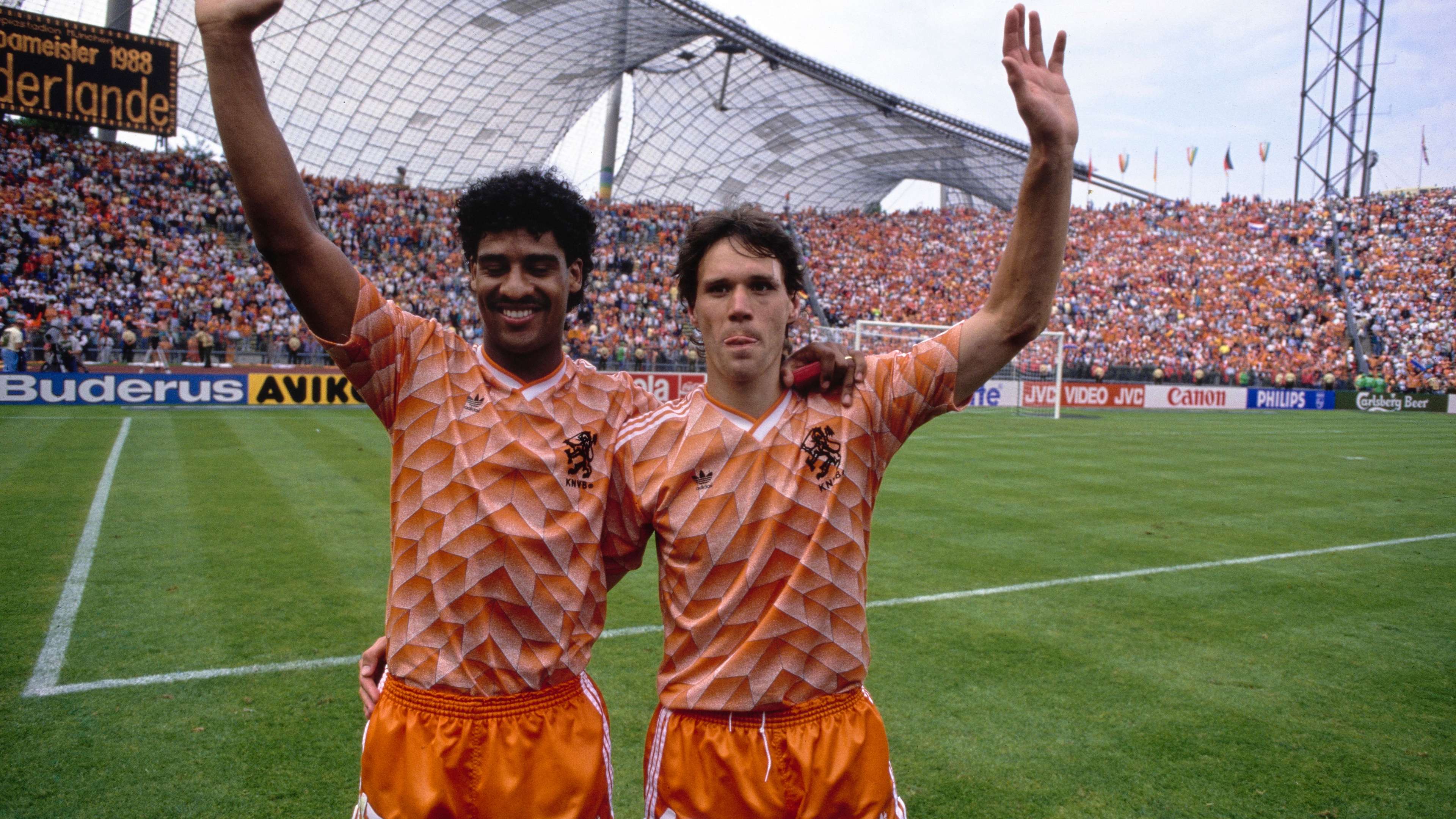
The 1988 European Championship was hosted by West Germany, a football powerhouse with a rich history of tactical discipline and technical excellence. Led by the legendary Lothar Matthäus and guided tactically by Franz Beckenbauer, the Germans entered the match as formidable favorites. Facing them was the new Dutch generation, managed by Rinus Michels— the architect of Total Football—bringing a squad featuring future icons like Ruud Gullit, Frank Rijkaard, and Marco van Basten. This squad was not just a team but a symbol of Dutch resilience and innovation, eager to carve their own chapter in football history.
The First Half: A Tactical Chess Match
The opening 45 minutes was a tense, cagey affair, with both sides wary of making mistakes. The Germans showcased their disciplined approach, effectively neutralizing the creative threats posed by Gullit and Rijkaard. Meanwhile, Van Basten, still finding his rhythm, struggled to influence the game from the outset. Every tackle, every pass was met with fervent applause or collective sighs, illustrating the high stakes and emotional investment from both sets of supporters. The Dutch displayed their technical prowess but were seemingly thwarted by the well-organized German defense, leaving the score deadlocked at halftime, with the specter of 1974 lingering ominously.
The Turning Point: Penalties and Rising Tensions
The second half began with renewed intensity. In the 55th minute, the match’s first major turning point occurred when Jürgen Kohler was adjudged to have fouled Frank Rijkaard in the penalty area. The Romanian referee, Ioan Igna, awarded a penalty, and Lothar Matthäus confidently dispatched the spot-kick, giving West Germany a 1-0 lead. The home crowd erupted, seemingly sealing the Dutch fate once again. However, this was a different Dutch team—one infused with grit, belief, and the unyielding spirit of their footballing philosophy.
Resilience and the Equalizer
Just a few minutes later, a moment of calm amid chaos unfolded. Ronald Koeman, renowned for his composure and powerful left foot, stepped forward to take a penalty awarded after Van Basten was fouled in the German penalty box. Koeman’s precise shot into the top corner leveled the score at 1-1, igniting hope among the Dutch supporters and shifting the momentum. This goal was more than just a response; it was a declaration that the Dutch had come to challenge the invincibility of their rivals. The game was now a contest of will, destiny, and footballing excellence.
Van Basten’s Legendary Strike: The Defining Moment
As the match progressed into its final moments, tension reached its zenith. Then, in the 88th minute, Marco van Basten etched his name into football folklore. A deft, sliding pass from Jan Wouters found Van Basten in space, pursued by Kohler. The striker stretched every sinew to connect with the ball, executing a stunning, low shot across Eike Immel into the far corner of the net. The stadium erupted in euphoria, the culmination of fourteen years of longing and struggle. Van Basten’s goal was not just a match-winner; it was a symbol of Dutch resilience, artistry, and the relentless pursuit of footballing greatness.
The Aftermath and Legacy
The final whistle confirmed a 2-1 victory for the Netherlands, propelling them into the final against the Soviet Union. The celebrations across Amsterdam and the entire country were euphoric—canals flooded with jubilant fans, flags waving, and the Dutch flag flying high. The victory was hailed as a turning point in Dutch football history, breaking free from the shadow of past failures and establishing the Oranje as a dominant force in European football.
In the aftermath, Ronal Koeman’s infamous shirt swap with Olaf Thon became a symbol of the fierce rivalry and playful defiance. Rinus Michels famously remarked that while they ultimately claimed the tournament by beating the Soviet Union in the final, the semi-final was the “real final”—a testament to the emotional and symbolic significance of that night in Hamburg.
The Significance for Football Prediction and Analysis
This historic match remains a benchmark in football prediction and tactical analysis. It exemplifies how underdog teams, when motivated by emotional stakes and strategic discipline, can overcome formidable opponents. For football enthusiasts and analysts, the game offers valuable insights into the importance of resilience, tactical flexibility, and psychological strength—elements that often determine the outcome of high-stakes football matches.
The Match’s Enduring Impact
Decades later, the 1988 semi-final continues to inspire football fans and teams worldwide. It exemplifies that football is about more than just skill; it’s about heart, determination, and the relentless pursuit of glory. For those interested in football prediction, understanding the nuances of such legendary encounters can improve forecasting accuracy and deepen appreciation for the sport’s emotional depth.
Whether analyzing team form, tactical setups, or psychological resilience, this match remains a quintessential case study—highlighting how football can serve as a mirror of national identity and a catalyst for collective pride. As the Netherlands finally stepped out of the shadow of 1974, their victory in Hamburg became a defining moment, celebrating the beautiful game’s power to unite, uplift, and inspire generations.