
Controversy and Clarification in European Football: The Negreira Case and the Response from La Liga
The recent revelations surrounding the Negreira scandal have sent shockwaves through the world of European football. As investigations and accusations unfold, the European Union’s silence on the matter has become a point of contention. According to a recent report by El Debate, the European Union has received no official communication from key Spanish football authorities—including the Spanish government, the Higher Sports Council (Consejo Superior de Deportes), the Spanish Football Federation (RFEF), or La Liga—since the scandal came to light approximately 44 months ago. This silence has fueled debates over transparency, accountability, and the role of regulatory bodies in overseeing integrity within the sport.
The Negreira Scandal: A Brief Overview
Before diving into the responses and ongoing debates, it’s essential to understand the context of the Negreira case. It involves allegations of financial misconduct linked to payments made by FC Barcelona to José María Enríquez Negreira, a former vice president of the Spanish referees’ committee. These payments, reportedly for technical reports and consultancy, have raised suspicions of favoritism and potential manipulation within Spanish football, casting a shadow over the integrity of match officiating and league fairness.
Since the case surfaced publicly in early 2023, it has prompted investigations by judicial authorities, media scrutiny, and calls for transparency from fans and stakeholders alike. Yet, despite the gravity of the allegations, official communication from European football governing bodies has been notably absent, leading some to question whether the matter is being adequately addressed at the regulatory level.
La Liga’s Response: Javier Tebas Breaks Silence
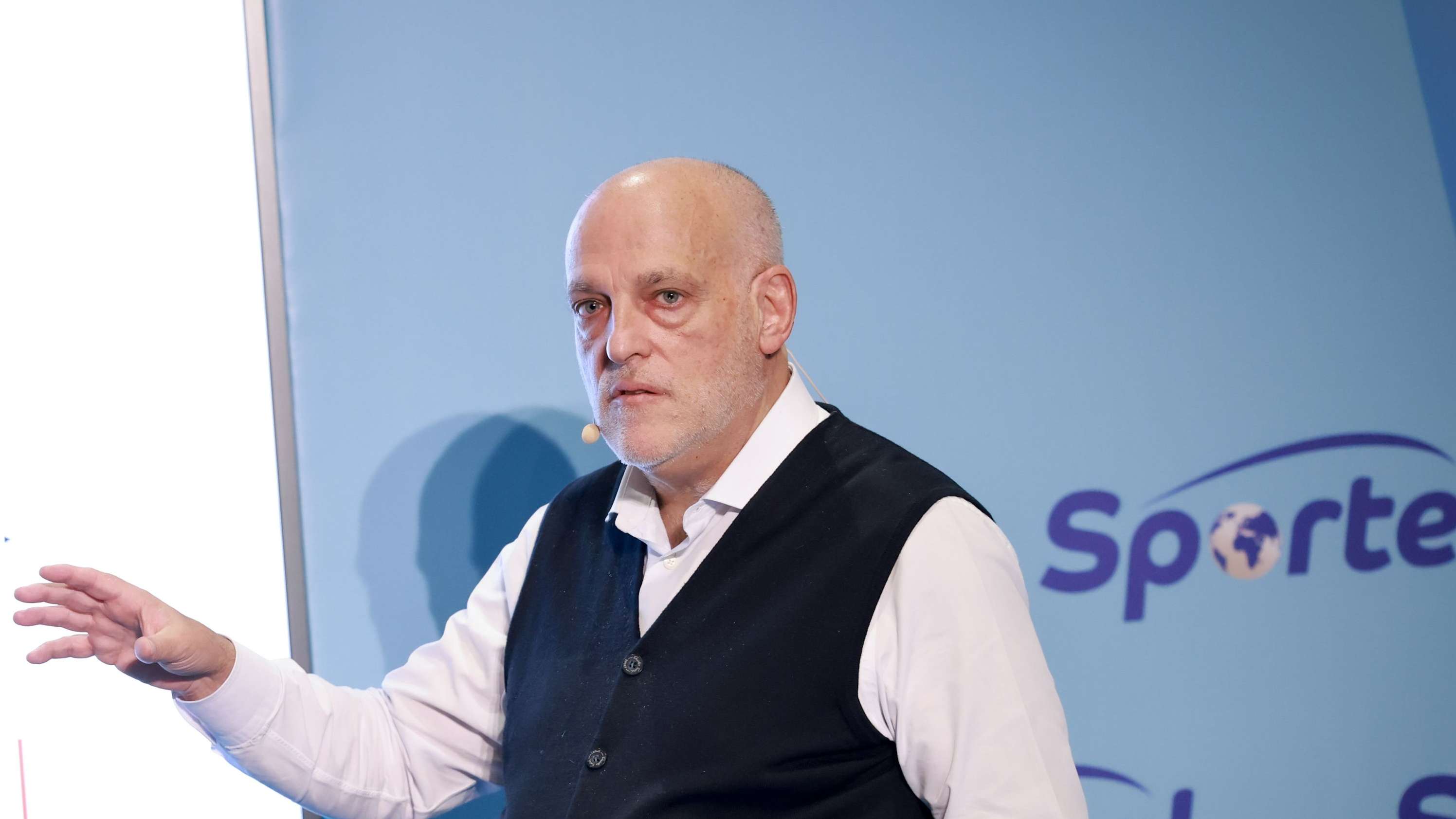
Amid the silence from European authorities, Javier Tebas, president of La Liga, publicly responded to the claims made by El Debate. In a comprehensive statement shared across his social media channels, Tebas vehemently denied the assertion that the Spanish football authorities had failed to communicate or act upon the Negreira case since its emergence.
Key Points from Tebas’s Statement
Tebas clarified, “What El Debate published is not true. The dates and documents prove this.” He elaborated on the timeline, stating that the Negreira case became publicly known on 15 February 2023. Just six days later, on 21 February, Tebas himself took action — a move that underscores the urgency and seriousness with which La Liga responded to the scandal.
According to Tebas, he sent a detailed letter to the Union of European Football Associations (UEFA), including a legal report, documentation of payments, and a press dossier that compiled local and international media coverage of the case. This rapid response demonstrates a proactive stance, aiming to alert European authorities and ensure that the issue was being scrutinized at the highest levels.
The Role of La Liga and Its Commitment to Transparency
Tebas emphasized that La Liga did not merely stand by as spectators but actively engaged with UEFA to address the allegations. “We approached UEFA six days after learning of the facts,” he stated, highlighting the league’s commitment to transparency and integrity. This swift action contrasts sharply with other entities within Spanish football, some of which reportedly took years or months before resigning from their positions amid the scandal.
Furthermore, Tebas dismissed claims that La Liga was passive or indifferent. “It is not true that the La Liga association merely took part in the criminal case,” he insisted. Instead, he pointed out that the league’s leadership took concrete steps early on, submitting relevant documents that are verifiable and date-stamped — evidence that refutes accusations of inaction or cover-up.
The Broader Implications for European Football and Prediction of Future Developments
This controversy raises critical questions about governance, transparency, and the safeguarding of integrity in football, especially within major European leagues like La Liga. Fans, analysts, and stakeholders are now watching closely to see how European football authorities respond to these allegations and whether systemic reforms will follow.
Impact on Football’s Reputation and the Need for Enhanced Oversight
The Negreira scandal has the potential to tarnish the reputation of Spanish football, which has historically been celebrated for its competitive quality and passionate fanbase. Such scandals threaten to undermine public confidence and call into question the fairness of the league’s outcomes. For fans and bettors considering football predictions for upcoming matches, this context adds a layer of complexity and uncertainty. Knowing the integrity of officiating and league management is crucial for accurate football prediction and analysis.
In light of this, many experts and betting enthusiasts are now advocating for increased transparency and independent oversight in football governance. They argue that robust regulatory frameworks and proactive communication from authorities are essential to restore trust and ensure that the sport remains fair and competitive.
The Future of Football Prediction in a Post-Scandal World
As the scandal unfolds, football prediction models will need to adapt to new variables—such as potential biases in officiating, league governance issues, or ongoing investigations—that could influence match outcomes. Bettors and analysts should stay informed about ongoing developments, official statements, and the results of investigations to refine their predictions accurately.
Moreover, the scandal underscores the importance of transparency in the data and information sources used for football prediction. Reliable, verified data from official sources can help mitigate the impact of negative narratives and maintain the integrity of betting markets.
Conclusion: A Call for Accountability and Transparency in European Football
The Negreira case has ignited a crucial debate about accountability within European football governance. While La Liga’s swift response, led by Javier Tebas, demonstrates a commitment to transparency, the broader silence from European authorities raises questions about oversight and coordination across governing bodies.
For fans, bettors, and stakeholders invested in the beautiful game, this scandal serves as a reminder that integrity must be preserved through proactive measures, clear communication, and rigorous oversight. As investigations continue and the football community awaits further developments, the hope remains that transparency and accountability will become the cornerstones of a healthier, more trustworthy sport.
In the meantime, staying informed and vigilant will be key for accurate football prediction and maintaining confidence in the sport’s fairness and competitiveness.