
Cristiano Ronaldo’s Sudden Exit from Portugal National Team: A Political and Cultural Turning Point in Football
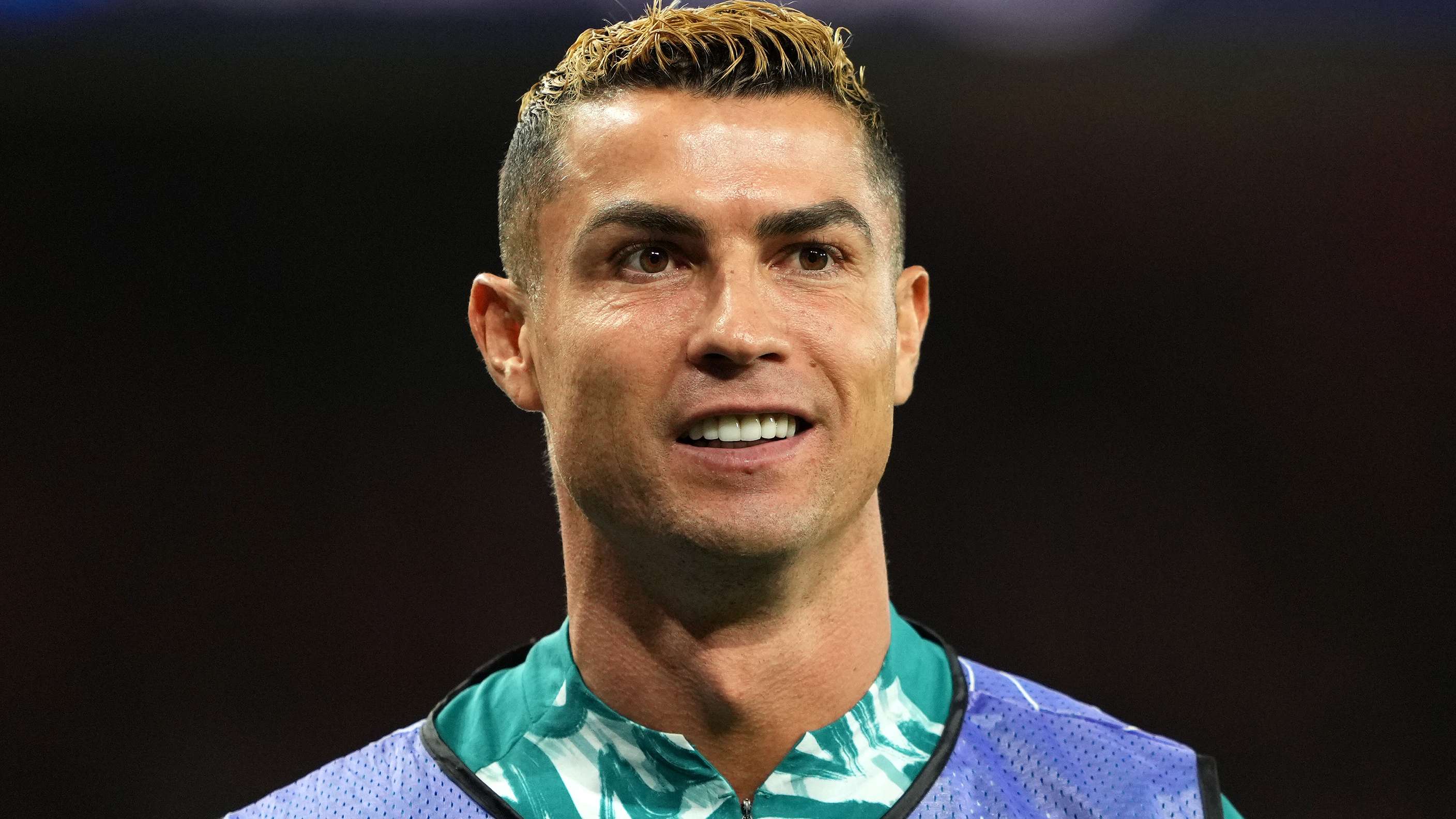
The football world was taken aback when Cristiano Ronaldo, one of the sport’s most iconic figures, abruptly left the Portugal national team camp amid ongoing tensions. This unexpected move has not only sparked intense debate among fans and analysts but has also escalated into a broader political and cultural dialogue within Portugal. As the dust settles, influential government officials are voicing their perspectives, emphasizing Ronaldo’s significance beyond the pitch and highlighting his profound impact on the nation’s identity and economy.
The Background: A Controversial Departure
In recent weeks, Cristiano Ronaldo’s relationship with the Portugal national team has been under scrutiny. Reports of disagreements with coaching staff and internal team dynamics culminated in his decision to leave the camp prematurely. While the specifics remain under wraps, the fallout has been felt across football circles worldwide, prompting predictions about how this upheaval might influence Portugal’s future performances and the country’s football landscape.
Football prediction experts have been analyzing the potential repercussions of Ronaldo’s absence on Portugal’s upcoming matches. Historically, Ronaldo has been the cornerstone of Portugal’s attack, and his leadership on and off the field has often been a decisive factor in their success. With his departure, many pundits are reconsidering their predictions for Portugal’s performance in upcoming tournaments, such as the UEFA European Championship and FIFA World Cup qualifiers.
Political Voices Spotlight Ronaldo’s Cultural and Economic Significance
What makes Ronaldo’s departure particularly noteworthy is the reaction it has elicited from top political figures in Portugal. Economy Minister Manuel Castro Almeida publicly expressed his support for the star, emphasizing that Ronaldo’s influence extends well beyond football. “Cristiano Ronaldo is more than just a player; he is a symbol of our nation’s resilience, ambition, and global identity,” Almeida stated during a recent press conference.
He further elaborated on the cultural importance of Ronaldo, noting that the football icon has become a unifying figure for Portuguese citizens and a source of national pride. “His success stories inspire countless young athletes and serve as a testament to what can be achieved through dedication and perseverance,” Almeida added. This perspective underscores the broader societal impact Ronaldo has, transcending the sport itself.
The Economic Impact: More Than Just a Game
Beyond cultural significance, Ronaldo’s presence has tangible economic benefits for Portugal. His global popularity drives tourism, attracts international investments, and bolsters the country’s brand on the world stage. Experts estimate that Ronaldo’s influence contributes significantly to Portugal’s sports tourism sector, with fans and tourists flocking to see him play or visit landmarks associated with his career.
Furthermore, Ronaldo’s endorsement deals and commercial ventures generate substantial revenue streams, positioning him as a pivotal figure in Portugal’s sports economy. In light of his departure, analysts are now predicting potential dips in related economic activities, highlighting the importance of football prediction models that factor in such shifts.
Football Prediction and Future Outlook for Portugal
As Portugal prepares for upcoming fixtures without their star player, football prediction models are being recalibrated to assess the team’s prospects. Historically, Ronaldo’s presence has been linked to increased chances of victory, especially in high-stakes tournaments. His leadership and experience often tilt the odds in Portugal’s favor during critical moments.
However, the team’s depth and emerging talents suggest that Portugal may still mount a competitive challenge. Young players like João Félix and Rafael Leão have been stepping up, and coaches are emphasizing team cohesion to fill the void left by Ronaldo. Football experts are now analyzing how these dynamics will influence predictions for Portugal’s performance in future matches and tournaments.
Broader Implications for Football and Society
The Ronaldo saga underscores a broader narrative about the interplay between sport, politics, and society. As a globally recognized football icon, Ronaldo has become a symbol of national pride, resilience, and ambition. His departure from the national team camp has ignited discussions about athlete activism, leadership, and the responsibilities of sporting icons in societal debates.
Moreover, the incident raises questions about the future of football prediction models, emphasizing the need for adaptive tools that can account for sudden changes in team dynamics and influential personalities. As football continues to evolve with technological advancements and data analytics, understanding the multifaceted role of players like Ronaldo becomes essential for accurate predictions and strategic planning.
Conclusion: The Road Ahead for Portugal and Ronaldo
Cristiano Ronaldo’s unexpected exit from the Portugal national team camp marks a pivotal moment in football history, intertwining sports performance with cultural and economic narratives. While predictions for Portugal’s future remain uncertain, one thing is clear: Ronaldo’s influence extends far beyond the football pitch. His legacy as a symbol of national pride and a catalyst for economic growth remains intact, even as the team adjusts to new realities.
As fans, analysts, and policymakers watch closely, the situation highlights the importance of understanding the broader implications of sports figures’ decisions. The ongoing developments will undoubtedly shape Portugal’s football trajectory and influence how prediction models are crafted to navigate the complexities of modern sports.
In the end, football is more than just a game—it’s a reflection of society’s aspirations, struggles, and triumphs. The story of Cristiano Ronaldo’s departure is a testament to this, offering fresh insights into the power of sport to inspire, unite, and shape nations.