
Mumbai Indians Continue Coaching Overhaul After Appointing Kieron Pollard
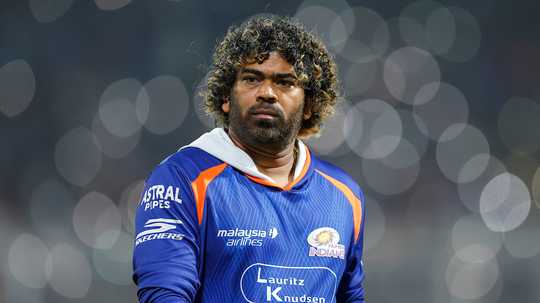
Mumbai Indians are reshaping their coaching staff as the franchise prepares for a new chapter in the Indian Premier League. Bowling coaches Lasith Malinga and Paras Mhambrey, along with fielding coach Carl Hopkinson, have left the setup, extending a series of changes that began with the departure of head coach Mahela Jayawardene. Former MI all-rounder Kieron Pollard has since been appointed head coach, while former India fielding coach T. Dilip is expected to take charge of the team’s fielding work.
The latest exits bring major change to a coaching group that included several figures with deep connections to the franchise and international cricket. For supporters following the team’s preparations, the reshuffle raises questions about how Mumbai will balance continuity with fresh ideas—and how the new staff could shape the side’s approach to the next IPL season.
Lasith Malinga’s Lasting Mumbai Indians Legacy
Malinga’s departure is especially significant given his long association with Mumbai Indians. The former Sri Lankan fast bowler was one of the franchise’s defining players, renowned for his distinctive action, yorkers and ability to deliver under pressure. He played a central role in four IPL title-winning campaigns and was also part of Mumbai’s Champions League T20 triumph in 2011.
After his playing career, Malinga returned to the franchise as a mentor and coach, bringing first-hand knowledge of the team’s culture and competitive standards. His experience offered a valuable link between Mumbai’s successful playing era and its current crop of bowlers.
In a statement, Mumbai Indians described Malinga as “an integral part” of the franchise and praised his passion, competitive spirit and commitment. The team also said his contribution had inspired generations of players, adding that his legacy would remain an important part of its history.
For a bowling group, losing a coach with Malinga’s reputation means more than replacing a familiar name. His expertise in death bowling, execution under pressure and match preparation could be difficult to replicate. The next coaching team will need to build on those strengths while adapting to the changing demands of T20 cricket, where batters increasingly target specific match-ups and bowlers must vary pace and length with precision.
Paras Mhambrey Brings Years of MI Experience
Mhambrey’s exit also closes a long chapter with Mumbai Indians. He first worked with the franchise during the inaugural IPL season in 2008 and later returned for an extended spell from 2010 to 2017. That period included Mumbai’s maiden IPL title and Champions League T20 victories in 2011 and 2013.
He rejoined the organisation in 2024 after being part of India’s coaching staff during the country’s T20 World Cup-winning campaign. Mhambrey served as Mumbai’s bowling coach for two IPL seasons and also worked with MI Emirates. His familiarity with the franchise’s development system and its expectations made him a particularly experienced presence in the setup.
Mumbai praised Mhambrey’s dedication, knowledge of the club’s culture and contribution to developing its bowling talent. The franchise also highlighted the relationships he built during his two spells. His departure leaves the team looking for a new voice to guide its bowlers, while preserving the technical and tactical foundations established over many seasons.
Carl Hopkinson’s Brief Spell Ends
Hopkinson joined Mumbai Indians ahead of the 2025 season, replacing James Pamment as fielding coach. Before moving to the IPL, he served as the England men’s team’s lead fielding coach from 2018 to 2024. He was part of the coaching environment during England’s 2019 Cricket World Cup and 2022 T20 World Cup victories.
His international experience brought insight into high-performance fielding, an area that can have an outsized impact in short-format cricket. A sharp boundary save, a direct hit or a clean catch can shift momentum in a match decided by a handful of runs. Mumbai’s decision to move on from Hopkinson therefore signals another change in the team’s preparation, rather than simply a routine adjustment to its support staff.
What the Coaching Changes Could Mean for Mumbai
Pollard’s appointment as head coach gives Mumbai a leader who understands the franchise from the inside. He spent years as a key player for the team and was known for his power hitting, calmness in pressure situations and experience across global T20 leagues. His challenge will be to translate that playing knowledge into a clear coaching structure, particularly as he takes on responsibility for guiding a squad with high expectations.
The expected arrival of T. Dilip would add another experienced specialist to the staff. As a former India fielding coach, Dilip has worked in an environment where preparation, athletic standards and communication are central to performance. His appointment could provide Mumbai with continuity in one area of expertise, even as other coaching roles change.
For fans and analysts, any early cricket prediction about Mumbai’s prospects should be treated with caution. Coaching changes can refresh a team’s methods, but their effect depends on how quickly players respond to new plans and how well the staff works together. Mumbai’s results will ultimately be shaped by squad balance, player fitness, form and execution in close matches—not just the names in the dugout.
Still, the overhaul points to a franchise willing to reassess its structure after a period of change. Mumbai Indians are moving on from several respected coaches while placing a former champion at the top of the coaching group. The coming season will show whether Pollard and the revised staff can preserve the winning standards associated with the franchise while building a new identity for its next generation of players.