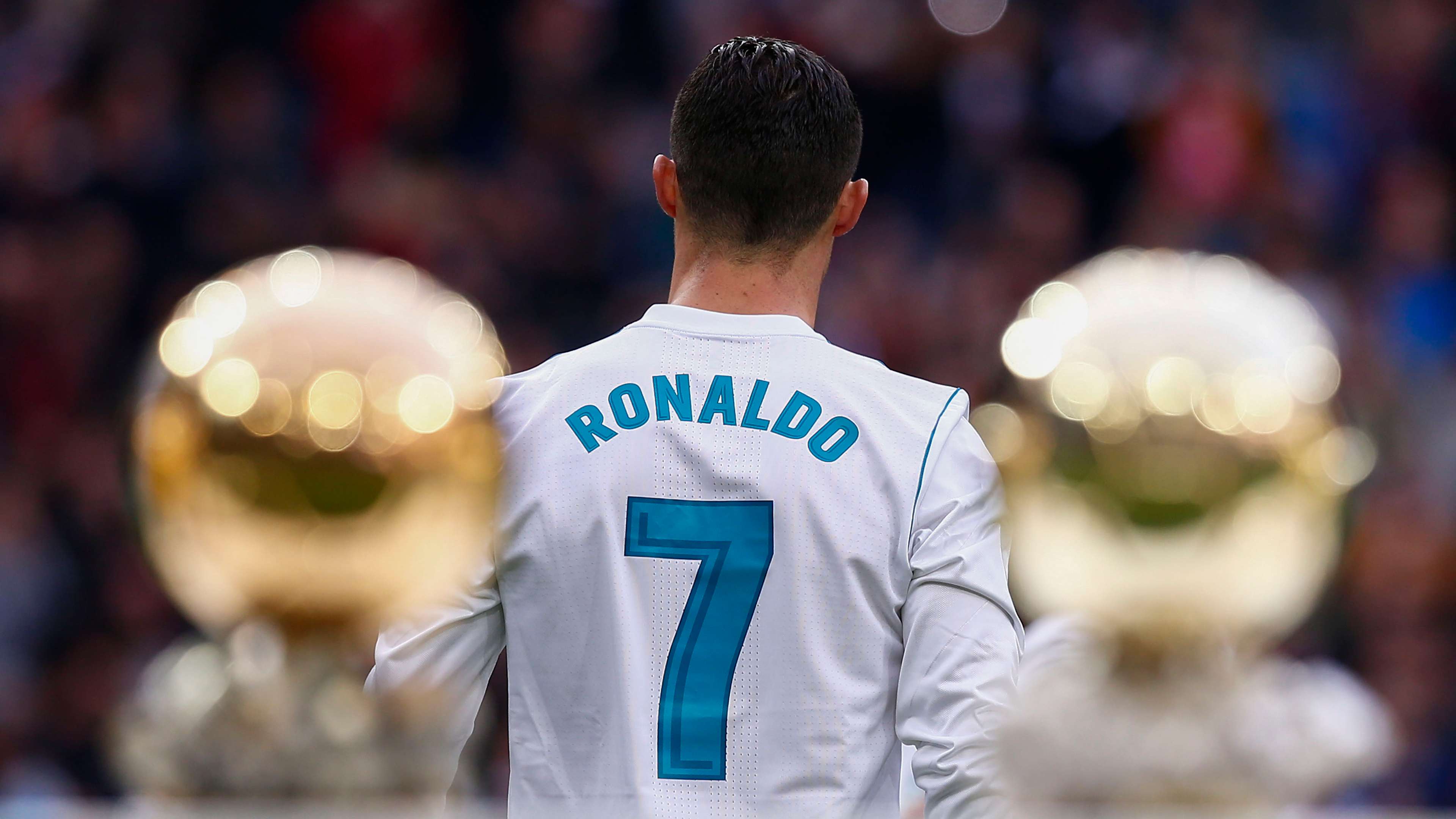

Ronaldo’s Ballon d’Or “BOAT” Award Sparks Debate Over Messi’s Claim
Cristiano Ronaldo’s recognition as the greatest Ballon d’Or winner of all time has reignited one of football’s most enduring arguments: was Lionel Messi more deserving of the honour? The result, announced by France Football, placed Ronaldo first in a vote for the publication’s “Best of All Time” (BOAT) distinction. But questions about how the poll was conducted have quickly become part of the story.
Ronaldo, now captain of Saudi Pro League side Al-Nassr, was recognised for winning the 2008 Ballon d’Or while playing for Manchester United. His long-time rival Messi finished second, with the Argentine’s 2012 award-winning season cited by supporters as evidence that he had the stronger claim. The outcome has prompted fresh discussion about how football greatness should be measured—and whether a popularity vote can settle a debate shaped by different eras, achievements and playing styles.
How the Ballon d’Or BOAT Voting Worked
According to Spanish newspaper Marca, citing France Football, the online voting system allowed participants to submit more than one vote by paying one euro for each additional ballot. That approach meant the final result was not simply based on one vote per person, and it has raised questions about how much influence repeat voting may have had.
The figures reported by Marca show that thousands of participants voted multiple times. Some 5,009 people submitted more than one vote, while 4,665 voted between two and four times. Another 300 people cast between five and nine votes, and 44 participants reportedly voted from 10 to 26 times.
The paid-vote format also generated revenue for France Football, with fans able to spend money to support their preferred player. While paid participation can encourage engagement and give supporters a direct role in a poll, it can also make the result harder to interpret. A high vote total may reflect the strength of a player’s fan base, the willingness of supporters to pay, or the intensity of a campaign—not necessarily a broad consensus about who had the greatest career.
Why the Voting Method Has Become Controversial
The main criticism is not that Ronaldo lacked a compelling case. His five Ballon d’Or titles, extraordinary scoring record and sustained success across several major leagues make him one of the most accomplished players in football history. Instead, the concern is whether a poll allowing paid repeat votes can fairly identify the “best” winner among the award’s past recipients.
When participants can vote more than once, the result may favour the player whose supporters are most organised or most motivated to keep voting. That does not prove the outcome was manipulated, but it does mean the figures should be understood in context. A poll of this kind measures fan preference under its specific rules; it is different from a panel of journalists assessing a season, or a statistical comparison of players’ achievements.
For readers searching for a football prediction about who would win a similar contest, the obvious answer might be that Ronaldo and Messi would dominate again. Yet predicting the result would depend as much on the voting design and fan mobilisation as on the players’ records. Change the rules to one vote per person, use a jury, or compare only peak seasons, and the outcome could look very different.
Messi’s 2012 Case—and Ronaldo’s 2008 Triumph
Messi’s supporters point to his remarkable 2012 calendar year, when he scored a reported 91 goals for club and country. The total became one of the most celebrated individual scoring achievements in modern football and helped reinforce his reputation as a player capable of combining elite finishing with playmaking, close control and exceptional consistency.
His 2012 Ballon d’Or win was also part of an extraordinary run of individual success. Messi has claimed the award eight times, more than any other player. That record gives him a powerful argument in any discussion about the most decorated Ballon d’Or winner, although the BOAT poll asked a broader question than simply who had won the trophy most often.
Ronaldo’s 2008 victory, meanwhile, came after a defining season at Manchester United. He was a central figure in the club’s Premier League and Champions League success, combining goals, athleticism and attacking versatility. That campaign established him as one of the leading players in the world and began a period of individual recognition that would continue for years.
The two seasons are difficult to compare directly. Messi’s case is built around the extraordinary scale of his scoring and his influence across a calendar year. Ronaldo’s rests on a landmark campaign that included major team honours and a decisive role at one of Europe’s biggest clubs. Both performances represent different versions of excellence, which is why the debate remains so compelling.
Ballon d’Or Records Do Not End the GOAT Debate
Ronaldo has won the Ballon d’Or five times, while Messi has won it eight times. Those totals are important, but they do not settle every question about their careers. The award recognises individual achievement within particular voting periods, and its results can reflect team success, reputation, media attention and the standards applied by voters at the time.
The BOAT distinction adds another layer because it asks fans to compare players separated by different eras and footballing contexts. Changes in tactics, competition formats, sports science and media coverage make direct comparisons difficult. Supporters may also value different qualities: some prioritise goal totals and longevity, while others focus on creativity, trophies, influence in decisive matches or technical ability.
A Debate Likely to Continue
France Football’s decision has delivered a clear winner in the poll, but it has not produced a final answer to the Messi-versus-Ronaldo argument. The paid repeat-voting system has given critics a reason to question how representative the result was, while the players’ contrasting achievements ensure both retain a convincing case.
For football fans, that may be the lasting significance of the BOAT award. It has renewed interest in two historic careers and highlighted the difference between a fan poll and a structured sporting assessment. Ronaldo can celebrate another major recognition, while Messi’s record eight Ballon d’Or wins and remarkable 2012 season remain central to his claim. Ultimately, deciding who was “more deserving” depends on the criteria—and on whether the question is about one season, an entire career, or the strength of a global fan vote.