
Jose Mourinho Reignites Barcelona Feud With Criticism of Negreira Investigation
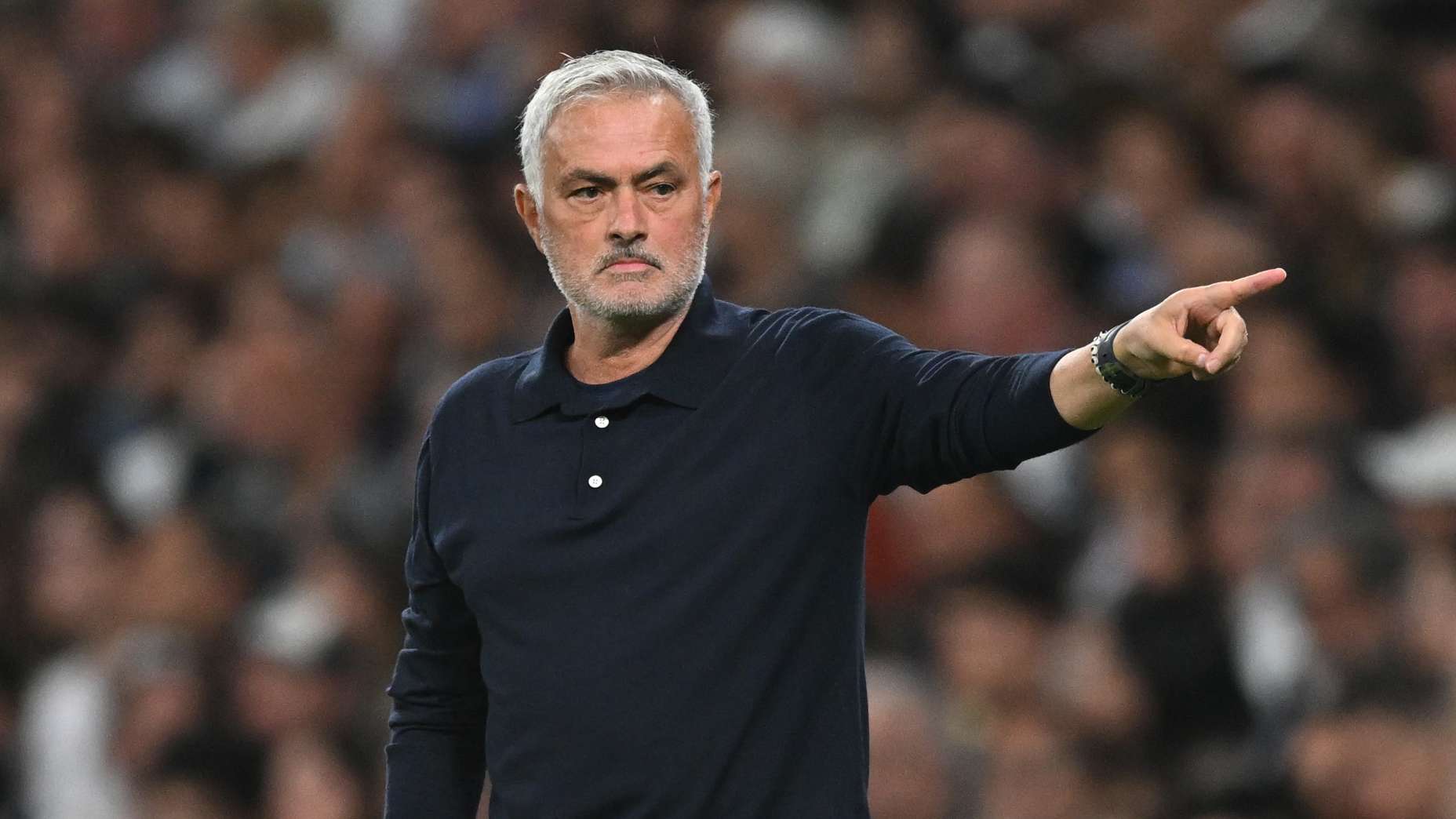
Jose Mourinho has brought one of football’s most enduring rivalries back into the spotlight, delivering a sharp assessment of the investigation involving Barcelona and former refereeing official José María Enríquez Negreira. Speaking during a Champions League media appearance, the Real Madrid head coach compared the case with Italy’s infamous Calciopoli scandal, prompting renewed debate about the allegations, the evidence and the wider consequences for Spanish football.
Mourinho’s comments carry particular weight because of his history with Barcelona. His years as Real Madrid manager placed him at the centre of a fiercely contested period in the rivalry, when matches between the clubs attracted intense scrutiny and his exchanges with Barcelona figures regularly made headlines. His latest intervention therefore reaches beyond a legal investigation: it also revives familiar questions about competitive fairness, institutional accountability and the way football’s biggest disputes are discussed in public.
What Is the Negreira Case?
The investigation concerns payments Barcelona made over a number of years to companies linked to Negreira, who served as a senior official within Spain’s refereeing structure. Prosecutors have examined the purpose of those payments and whether they could have been intended to influence decisions or secure an improper advantage. Barcelona has denied wrongdoing, maintaining that the money was connected to technical reports and advice about referees.
That distinction is central to the case. Payments to an individual associated with refereeing can raise serious questions, but the existence of payments alone does not establish that match officials were influenced or that particular results were manipulated. Investigators must assess documentation, testimony and the wider context before conclusions can be reached. The legal process is therefore more complex than the competing claims often presented in football debate.
For supporters, the issue is especially sensitive because refereeing decisions can shape the outcome of a season. A controversial call in a title race or European tie can remain part of a club’s history for years. That emotional backdrop helps explain why the Negreira investigation has attracted such extensive attention in Spain and beyond, even while its legal questions remain distinct from the arguments made by rival fans.
Mourinho’s Calciopoli Comparison
By invoking Calciopoli, Mourinho drew a comparison with one of the most consequential scandals in modern European football. The Italian case, which came to light in 2006, involved allegations of attempts to influence referee appointments and led to disciplinary action against several clubs. Juventus were stripped of a league title and relegated to Serie B, while other teams also faced sanctions.
The reference is striking, but it should not be mistaken for proof that the two cases are equivalent. Calciopoli involved its own evidence, legal proceedings and sporting penalties. The Negreira investigation has a different factual and legal record, and any comparison must account for those differences. Mourinho’s remark is best understood as a forceful expression of concern about the seriousness of the allegations—not as a judicial finding about Barcelona.
His comments also reflect a broader debate over whether football authorities can respond consistently when questions emerge about the integrity of competition. Fans often compare investigations across countries, looking for signs that powerful clubs are treated differently. Yet each case must ultimately be assessed on its own evidence and under the rules that apply in its jurisdiction.
A Rivalry That Continues to Shape the Story
Mourinho’s history with Barcelona makes his intervention especially newsworthy. During his Real Madrid tenure, the rivalry reached an extraordinary level of intensity, with major domestic and European clashes played amid pressure, controversy and relentless media attention. Mourinho was known for challenging opponents and institutions openly, and his latest remarks fit the confrontational style that made him one of football’s most discussed managers.
That background can influence how audiences receive his words. Real Madrid supporters may view the comments as a necessary demand for transparency, while Barcelona fans may see them as another chapter in a long-running campaign of provocation. Neutral observers, meanwhile, may focus on the distinction between a manager’s opinion and the findings of an investigation. In a story involving high-profile clubs, those perspectives can quickly become entangled.
The rivalry also gives the debate a global reach. Barcelona and Real Madrid have supporters across continents, and questions involving either club can dominate football coverage far beyond Spain. Mourinho’s intervention ensures that the Negreira case remains part of the wider conversation, but it does not resolve the central issues under investigation.
Why the Investigation Matters to Spanish Football
At stake is more than the reputation of one club. The credibility of refereeing and the confidence of supporters depend on the belief that matches are decided by events on the pitch rather than hidden influence. Even the perception of a conflict of interest can damage trust, making transparent procedures and clear communication essential for football authorities.
The case also highlights the importance of governance. Clubs, leagues and refereeing bodies need robust rules covering financial relationships, reporting requirements and potential conflicts. Strong safeguards can help prevent questionable arrangements and provide a clear process for investigating them. When those systems are difficult to understand, uncertainty can fuel speculation and deepen divisions among fans.
There is also a practical difference between sporting, civil and criminal proceedings. Each may consider different standards, rules and consequences. A legal outcome does not automatically settle every sporting or ethical question, just as public criticism does not establish legal responsibility. Keeping these distinctions clear is vital as the case develops.
What Happens Next?
The eventual significance of Mourinho’s comments will depend less on the headlines they generate than on what investigators and football authorities establish. The key questions remain whether the payments can be fully explained, whether any improper purpose can be demonstrated and whether the evidence supports disciplinary or legal consequences. Until those questions are answered, predictions about sanctions or the case’s final outcome should be treated cautiously.
For now, Mourinho has ensured that a complicated investigation is once again being discussed through the lens of football’s most famous rivalries. His Calciopoli comparison raises the stakes rhetorically, but the facts of the Negreira case must stand on their own. As the process continues, supporters will be watching not only for a verdict but also for evidence that Spanish football can investigate sensitive allegations fairly, transparently and without regard to the status of the clubs involved.