
Jorge Jesus’s Lawyer Takes Aim at Cristiano Ronaldo as Portugal Row Deepens
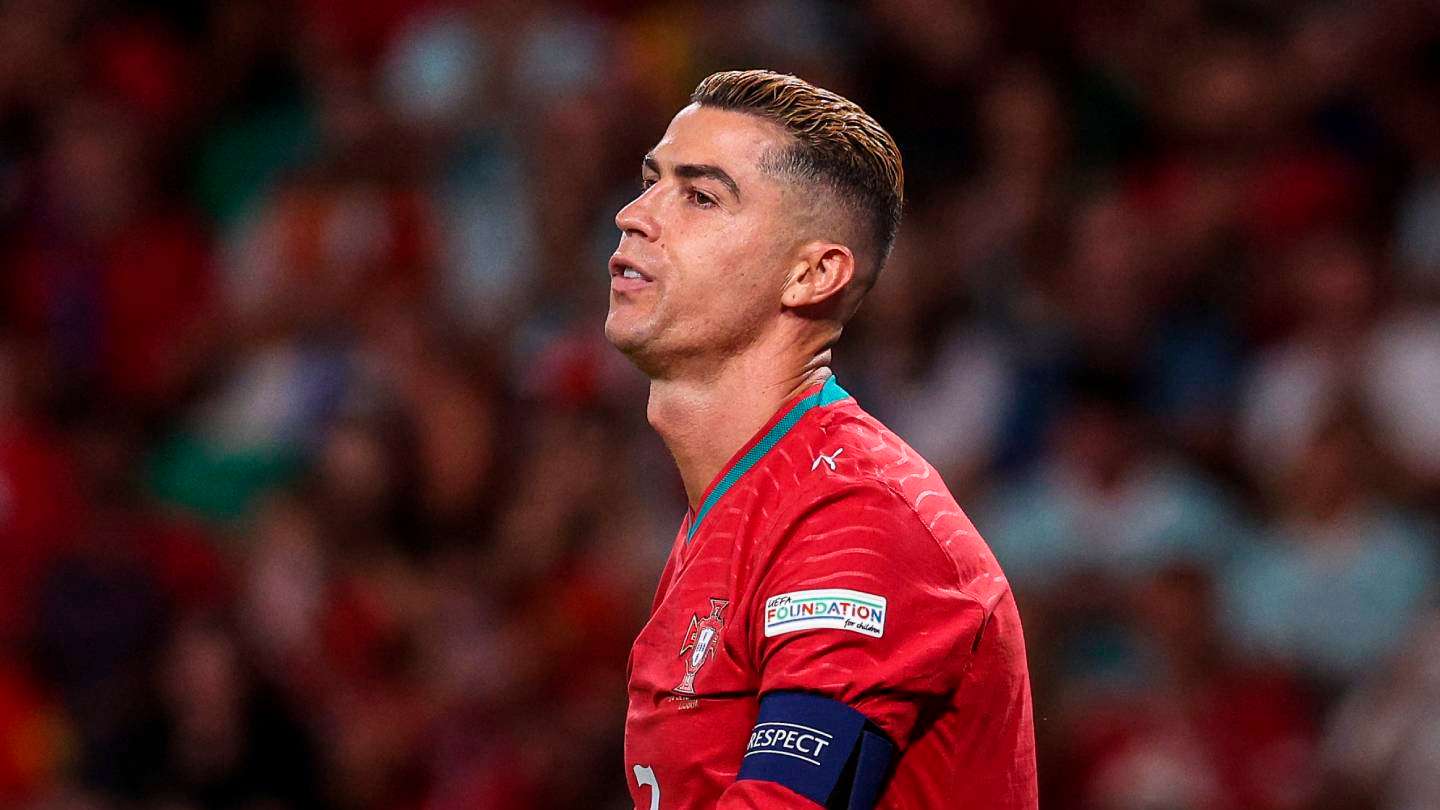
A public dispute involving Cristiano Ronaldo and Portugal coach Jorge Jesus has taken a sharper turn after Jesus’s lawyer, Luis Henrique, criticised the football star’s behaviour and questioned the influence surrounding him. Henrique’s comments have added a new layer to a controversy already drawing attention across Portuguese football, where the argument has prompted debate about leadership, communication and the pressures faced by elite players.
Henrique argued that Ronaldo’s recent conduct—and what he described as an intense focus on personal statistics—risks changing how supporters remember the forward’s achievements. The lawyer’s remarks, reported by Tribuna, were not limited to the disagreement with Jesus. They also touched on Ronaldo’s public image, his circle of advisers and Henrique’s own decision to stop writing for a newspaper connected to a company in which Ronaldo holds a significant stake.
Henrique Says Ronaldo’s Conduct Could Overshadow His Legacy
In his criticism, Henrique said Ronaldo was doing something that opponents had never managed: making it harder for people to focus on the positive contributions he has made throughout his career. He suggested that the player’s actions and apparent concern with certain numbers could affect the public’s view of his wider legacy.
That is a pointed claim given Ronaldo’s extraordinary record and status in the game. For decades, his goals, titles and longevity have made him one of football’s most visible figures. Yet the same profile that magnifies his achievements also ensures that disputes involving him quickly become national talking points. When a player is as famous as Ronaldo, disagreements over selection or playing time can become broader arguments about authority, expectations and the balance between individual ambition and team needs.
Henrique also raised concerns about the people around the Portugal captain. He said Ronaldo appeared to be increasingly surrounded by those willing to tell him what he wanted to hear, rather than those prepared to offer difficult advice. The lawyer framed the issue as a warning about isolation at the top of public life, using an image of powerful figures left alone among mirrors.
A Debate About Advice, Influence and Leadership
Henrique’s language was deliberately dramatic, but the underlying question is familiar in elite sport: how does a celebrated athlete remain open to criticism while operating within a close circle of trusted advisers? Supporters may see loyalty and confidence as essential to a champion’s success. Critics, meanwhile, may argue that a lack of honest feedback can make disagreements harder to resolve.
For Portugal, the issue is especially sensitive because Ronaldo is both a key figure in the national team’s history and a player whose role must be managed within a changing squad. Coaches have to weigh experience, fitness, tactics and the development of younger players. A public dispute can complicate those decisions, even when the original disagreement concerns a single match or a limited number of minutes.
Why Henrique Left Record
Henrique also explained why he had ended his work as a contributor to Record, a Portuguese newspaper owned by Medialivre. Ronaldo has a substantial stake in the company, and Henrique said continuing to write for a business linked to the player would create a conflict of interest while he was publicly criticising him.
He argued that independence of opinion depends in part on financial independence. In his view, people who comment on powerful figures should not rely financially on those same figures or their business interests. Henrique said he preferred to remove any possibility that readers might believe his work could be influenced—or that consequences could be imposed because of his criticism.
His departure therefore became part of the story in its own right. Media ownership and editorial independence are recurring concerns in modern journalism, particularly when prominent athletes, business leaders or public figures have interests in media companies. Henrique presented his decision as a matter of principle, saying that speaking freely matters most when doing so carries a cost.
How the Ronaldo–Jesus Dispute Began
The tension between Ronaldo and Jesus reportedly developed during the latest international break, following Portugal’s match against Norway in the UEFA Nations League. Ronaldo’s account was that he and the coach had discussed managing his involvement because of his physical condition. He believed their understanding meant he would not be asked to take part in the match.
Ronaldo said the situation changed when Jesus asked him to warm up during the second half, but ultimately did not send him onto the pitch. The forward viewed that sequence as a failure to honour their agreement. From a coach’s perspective, however, a player warming up does not necessarily guarantee a substitution; tactical changes, match circumstances and fitness assessments can all influence a decision. The available account does not resolve precisely how the conversation was understood by both men.
The disagreement escalated when Ronaldo left Portugal’s camp before the team’s meeting with Denmark. He accused Jesus of not keeping his word and said he would accept whatever punishment the authorities decided to impose. His departure shifted the matter from a private disagreement between player and coach into a formal issue for the national football federation.
Disciplinary Proceedings and What Happens Next
After Ronaldo left camp, the Portuguese Football Federation opened disciplinary proceedings and announced that the player had been provisionally suspended. The decision places the dispute within the federation’s process, where officials will assess the circumstances and determine any further response. Until that process concludes, the final sporting or disciplinary consequences remain uncertain.
For Portugal, the immediate challenge is to prevent an individual conflict from overshadowing the team’s preparations and results. The national side must manage the situation carefully, balancing respect for Ronaldo’s contribution with the need for clear standards that apply to every player. How Jesus, the federation and the squad handle the fallout could shape perceptions of the team’s unity as much as the original disagreement did.
What the Controversy Could Mean for Portugal
Any prediction about the long-term impact should be cautious. The dispute may cool once the federation’s review is complete, or it could remain a source of friction if the coach and captain cannot agree on expectations. Much will depend on whether the two sides can clarify what was discussed before the Norway match and establish a workable understanding for future selection decisions.
The wider lesson is that even the most accomplished footballers remain part of a team governed by shared plans and decisions. Ronaldo’s record gives him exceptional influence, but the coach must still make tactical and fitness calls. At the same time, transparent communication is crucial when a player believes an agreement has been broken.
Henrique’s attack has ensured that the story now extends beyond playing time. It has become a debate about legacy, influence, media independence and the responsibilities that come with sporting fame. Whether the controversy fades or develops into a longer-running rift, the next steps from Ronaldo, Jesus and the Portuguese federation will be closely watched by supporters seeking clarity—and by anyone making a prediction about Portugal’s prospects in the months ahead.