
Mourinho reveals the “other key” behind Real Madrid’s victories: a renewed focus on set pieces
Real Madrid’s latest run of success has highlighted a familiar truth in elite football: matches are not always decided by open-play brilliance. Corners and free kicks can be just as influential, particularly when opponents are well organised and chances are scarce. This season, Madrid have made those situations a major attacking weapon—and José Mourinho’s detailed preparation is emerging as one of the reasons why.
The numbers underline the change. Madrid have already scored seven goals from set pieces this season, compared with 12 across the whole of last season. That improvement has been especially striking in Europe. During their Champions League visit to Rome, the Spanish side scored three times from corners, with each delivery coming from Arda Güler. The performance offered a vivid example of how carefully rehearsed routines can turn a dead-ball situation into a decisive advantage.
From a supporting detail to a tactical weapon
Set pieces are often treated as an extra element of a team’s attacking plan. Under Mourinho, they have become a central part of Madrid’s preparation. According to Spanish newspaper AS, the coach dedicates several hours each week to practising them at Valdebebas, the club’s training centre. Players also receive a final reminder of the planned routines during the session immediately before a match.
That attention makes sense in high-pressure fixtures. In a major European tie, the difference between progressing and going home can come down to one well-placed corner, a clever block or a run that catches a defender off balance. Rehearsed movements can help players react quickly and confidently, while also forcing opponents to defend several threats at once.
Madrid’s early-season return is already varied. Four of their seven set-piece goals have come in La Liga: one from a corner and three from free kicks. The other three arrived in Rome, where Güler’s deliveries repeatedly found their intended targets. The contrast with last season is notable. Madrid scored 12 set-piece goals then, all in La Liga, split evenly between corners and free kicks.
A shared project across Mourinho’s coaching staff
The work is not the responsibility of one coach alone. Pedro Machado leads Madrid’s attacking set-piece preparation, while the wider coaching staff contributes ideas and helps shape the routines. Mourinho oversees the process and has the final say on which plans the team will use. On the defensive side, Sami Khedira is responsible for organising the team’s work when opponents have a dead-ball opportunity.
That division of duties reflects a broader approach: set pieces are treated as a collective football project, with attacking and defensive details receiving equal attention. Coaches must consider where to position players, how to create space, which runs to use and how to respond if the first delivery is cleared. The best routines are not simply rehearsed movements; they are plans with alternatives built in.
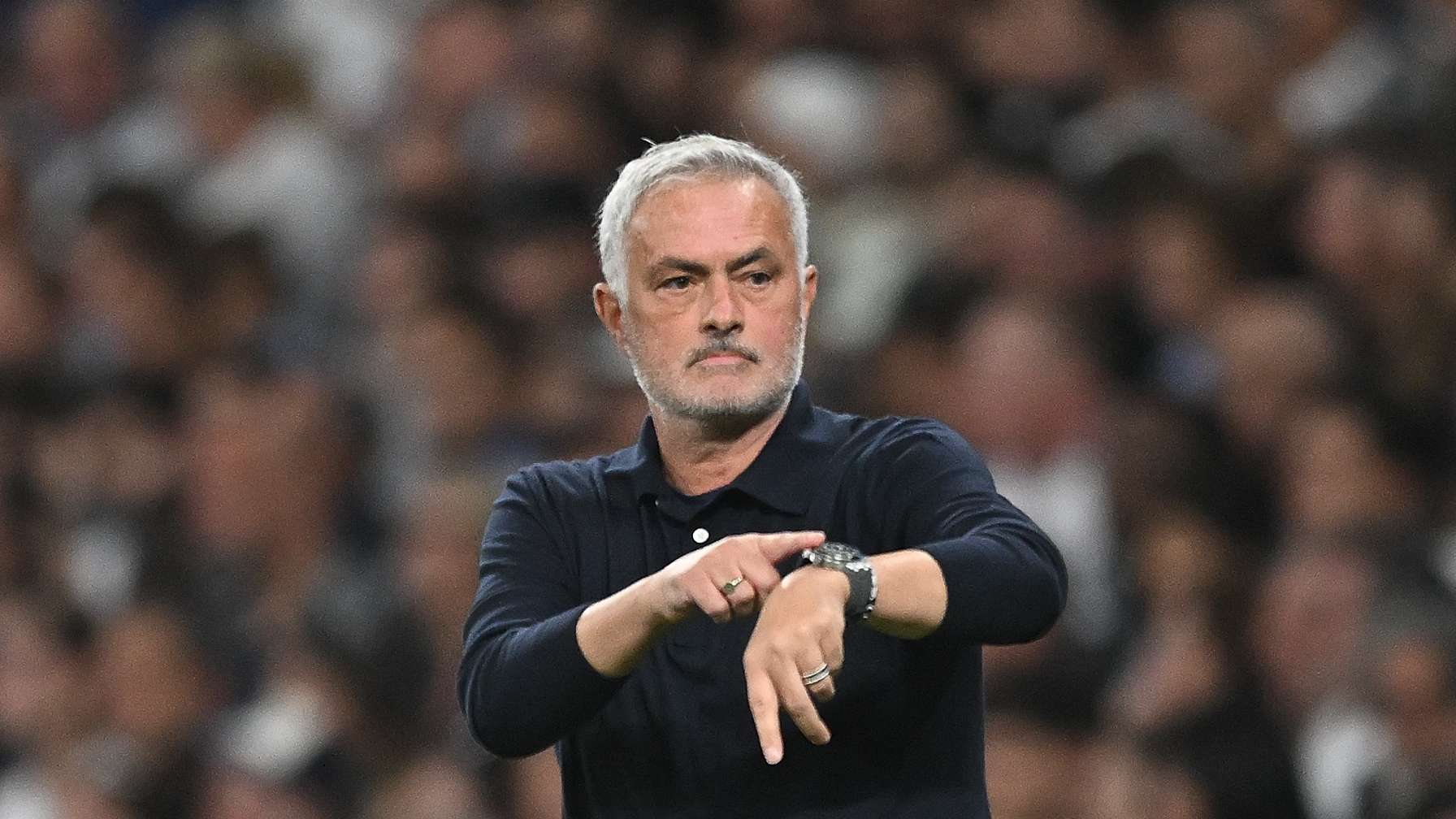
Mourinho made the collaborative nature of the work visible during the match at Cornellà-El Prat. Just nine minutes into his second spell, Güler delivered a free kick and Jude Bellingham powered a header into the net. Mourinho celebrated by leaving the technical area and embracing his assistants—a gesture that drew attention to the staff behind the goal as well as the players who finished the move.
Machado and João Tralhão are among Mourinho’s closest coaching aides. The pair began working with him during his time at Fenerbahçe, and Machado later followed the Portuguese coach to Benfica and then Real Madrid. Over the past two seasons, Mourinho has assembled a staff combining experienced professionals with younger coaches looking to establish themselves at the highest level.
Güler’s left foot gives Madrid a major advantage
The quality of the delivery is just as important as the design of a routine. Güler has become Madrid’s primary set-piece taker whenever he is available, and his left foot gives the team a reliable source of pace, bend and accuracy. His three corner assists in Rome showed how consistently he can put the ball into dangerous areas, allowing Madrid’s attackers to time their movement rather than chase an unpredictable delivery.
Güler has also demonstrated that he can score directly. He found the net from a free kick against Elche, adding another dimension to Madrid’s threat. Opponents must now weigh the risk of defending a cross against the possibility that the young midfielder will attempt a shot himself. That uncertainty can influence the goalkeeper’s positioning and the defensive wall before the ball is even struck.
Bernardo Silva has also contributed to Madrid’s set-piece output, supplying the deliveries for goals by Antonio Rüdiger and Kylian Mbappé. One came from a corner and the other from a free kick. Trent Alexander-Arnold is another option in the delivery rotation, while Diomande can also take responsibility for starting an attacking move. Having several capable takers allows Madrid to vary the angle and type of service rather than rely on one predictable approach.
Why set pieces matter for Madrid’s season
For teams competing across La Liga and the Champions League, dead-ball efficiency can be particularly valuable. Opponents often defend deep against Madrid, limiting the space available for through balls and quick combinations. A corner or free kick offers a different route to goal, and a well-drilled team can exploit even a brief lapse in concentration.
The current figures are still an early-season snapshot, not a guarantee of how the campaign will finish. But they point to a clear tactical emphasis. Madrid are combining individual quality with structured preparation, and Mourinho’s staff are working to make every delivery count. If the team continues to convert corners and free kicks at this rate, set pieces could prove to be a decisive advantage in tight matches.
For supporters looking ahead to upcoming fixtures, that development also adds an intriguing layer to every football prediction. Madrid’s attacking threat is no longer limited to their forwards and open-play combinations. With Güler’s delivery, multiple aerial targets and rehearsed movement, a dead ball can quickly become a scoring opportunity—and another key to the club’s pursuit of victories.