
Mourinho Rejects AC Milan’s January Loan Approach for Endrick
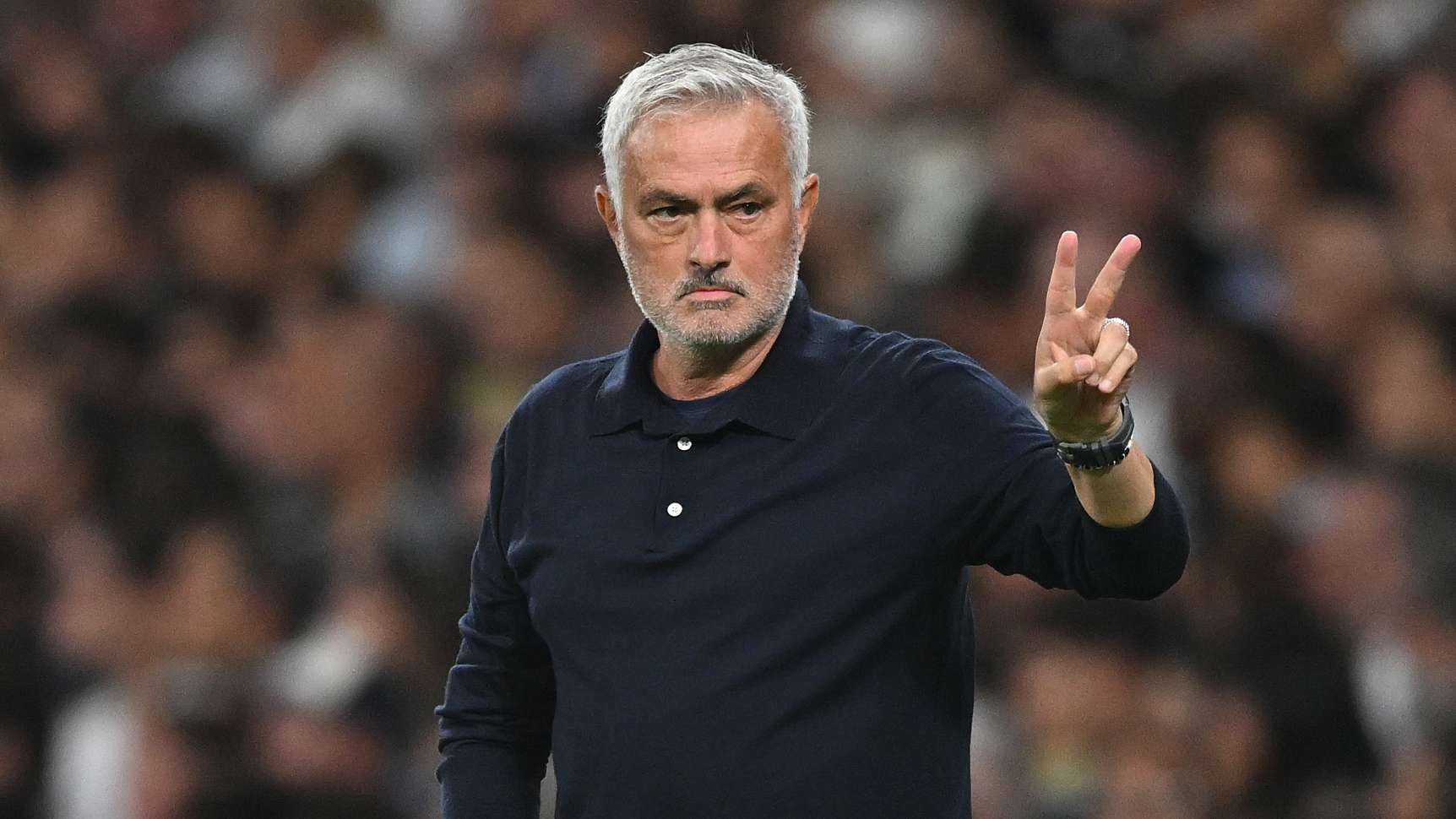
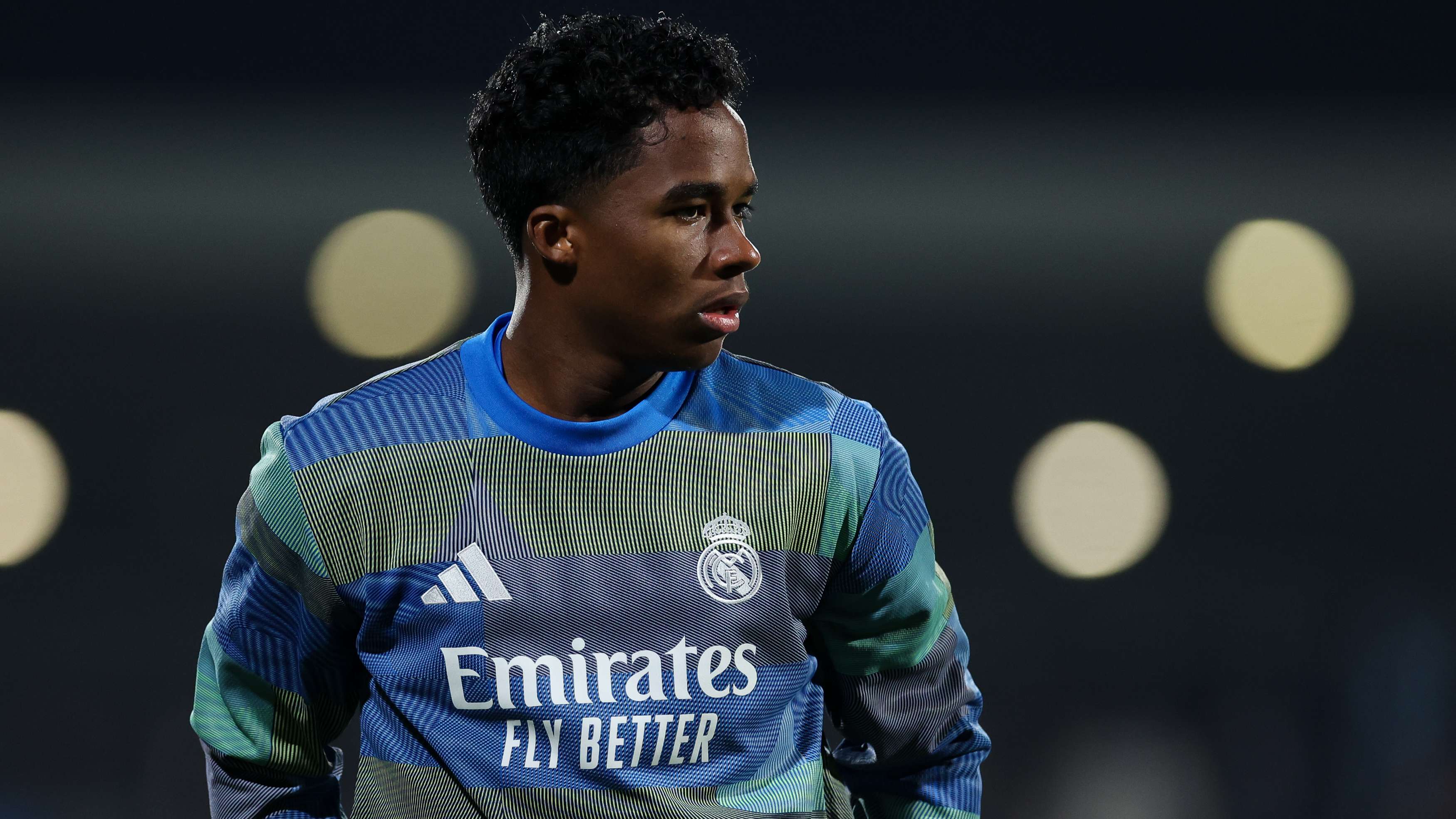
Jose Mourinho has reportedly made his position clear: Endrick will not leave his squad on a short-term loan in January, despite AC Milan’s interest in the young Brazilian forward. The Italian club had been considering a temporary transfer as a way to strengthen its attacking options, but Mourinho is unwilling to approve a move during the winter window.
Endrick’s limited recent playing time has naturally prompted questions about his immediate future. A frustrating pre-season injury disrupted his preparations and made it harder for him to build momentum. Even so, Mourinho’s stance suggests that the forward remains part of his plans and that the club would rather manage his development internally than send him elsewhere for a few months.
Why AC Milan Were Interested in a Temporary Transfer
AC Milan’s reported pursuit reflects a familiar January strategy: add attacking depth without committing to a costly permanent signing. A loan can provide a club with short-term cover, flexibility and the chance to assess how a player fits into its system before considering a longer-term deal.
For Milan, Endrick’s pace, close control and willingness to attack defenders could offer a different dimension in the final third. The Brazilian has attracted attention because of his potential to become a decisive forward, and a move to Serie A might have offered him opportunities to gain experience in another demanding European competition.
However, a transfer is not simply a question of whether a player needs minutes. It also depends on the parent club’s priorities, the terms of any agreement and the timing of the move. If Mourinho believes Endrick can still contribute to his squad, Milan’s interest alone may not be enough to open negotiations.
Injury Has Complicated Endrick’s Start
The forward’s lack of recent action has been linked to a pre-season injury that interrupted his preparation. For a young player, missing valuable training and match time can make it difficult to establish rhythm, adapt to a coach’s demands and compete with teammates who have been available throughout the campaign.
That disruption can also shape perceptions from outside the club. When a promising player is not regularly appearing in matchday plans, speculation about a loan or transfer tends to follow. Yet limited minutes do not necessarily mean a manager has lost confidence. In Endrick’s case, Mourinho’s reported refusal to sanction a January departure points to a belief that the forward still has a role to play.
A careful return from injury may be more important than rushing into a new environment. Moving clubs mid-season can bring fresh opportunities, but it also requires a player to adapt quickly to different tactics, teammates and expectations. For someone rebuilding fitness and match sharpness, stability may be valuable.
Mourinho’s Decision and Endrick’s Development
Mourinho’s stance appears to prioritise control over Endrick’s development. Keeping the forward at the club allows the manager and coaching staff to oversee his training, recovery and gradual integration into the squad. It also means they can respond if injuries, fixture congestion or changes in form create a need for additional attacking options.
There is a balance to strike. Young forwards generally benefit from regular competitive minutes, but a loan is only useful if the destination offers a suitable role and a clear development pathway. A temporary move that brings uncertain playing time could do little to help Endrick. Staying with his current team may prove the better option if Mourinho can provide a realistic route into the first team.
The decision also highlights how quickly a January transfer plan can change. A club may identify a target, explore the possibility of a loan and still find that the player’s manager has no intention of letting him go. In this situation, Milan may need to consider other options if it wants to add depth before the window closes.
What the January Transfer Prediction Means for Milan
For now, the transfer prediction is that Endrick will remain where he is, with Mourinho’s position acting as a significant obstacle to any Milan move. Unless circumstances change, such as a shift in the player’s role or a revised decision from the manager, a short-term loan appears unlikely.
Milan’s next step may be to reassess its priorities. The club could pursue another forward on loan, look for a permanent signing or rely on its existing attacking group. Each route carries different costs and risks, particularly in the winter market, when clubs often demand a premium for players who are difficult to replace mid-season.
Endrick’s situation is also worth monitoring beyond January. If he remains short of playing time after regaining full fitness, interest from other clubs could return in a future transfer window. A summer move would allow more time for negotiations and planning, although any decision would still depend on Mourinho’s assessment, the player’s progress and the club’s wider squad needs.
A Decision That Could Shape the Rest of the Season
Rejecting AC Milan’s reported loan approach does not guarantee Endrick a major role, but it does indicate that Mourinho is not ready to give up on him. The coming weeks will show whether the forward can turn his recovery into meaningful opportunities and demonstrate why the manager wants him to stay.
For Milan, the episode is a reminder that an attractive target is not always an available one. For Endrick, remaining with his current squad could provide continuity at a crucial stage of his development—provided he receives the minutes and support needed to build confidence. As the January window progresses, his fitness, training performances and place in Mourinho’s plans will be key factors in determining whether the transfer speculation fades or returns in the future.