
No Spanish Referees Appointed for This Week’s European Football Matches
Spanish referees will be absent from the field for all 54 matches taking place across this week’s UEFA club competitions. No official from Spain has been appointed as the on-field referee in the Champions League, Europa League or Europa Conference League, a decision that has attracted attention amid growing debate about the standard of officiating in LaLiga.
Spain will still have a limited presence in Europe through video review. Referee César Soto Grado is set to serve as the video assistant referee for Feyenoord’s match against Como, with Carlos del Cerro Grande assisting him. Lithuanian official Donatas Rumsas will take charge of the match on the pitch, according to Spanish newspaper OK Diario.
Spanish Officials Missing from the Champions League Schedule
The absence is especially notable because Spain has three referees in UEFA’s elite category, the group eligible to officiate Champions League fixtures. Jesús Gil Manzano, José María Sánchez Martínez and Alejandro Hernández Hernández have all worked at the highest level of European football, but none has been selected for this week’s 18 Champions League matches.
Javier Alberola Rojas is also missing from the appointments. He belongs to UEFA’s first category, which makes officials eligible for Europa League and Conference League games. His omission means that Spanish referees will not take charge of a match in any of the three competitions during this round.
For supporters, referee appointments can be an important part of the build-up to a European fixture. Officials influence how a match is managed, from the threshold for awarding fouls to decisions involving penalties, dismissals and video review. UEFA’s selections are therefore closely watched, particularly when a major football league is experiencing a period of intense scrutiny over refereeing.
LaLiga Controversy Fuels Speculation
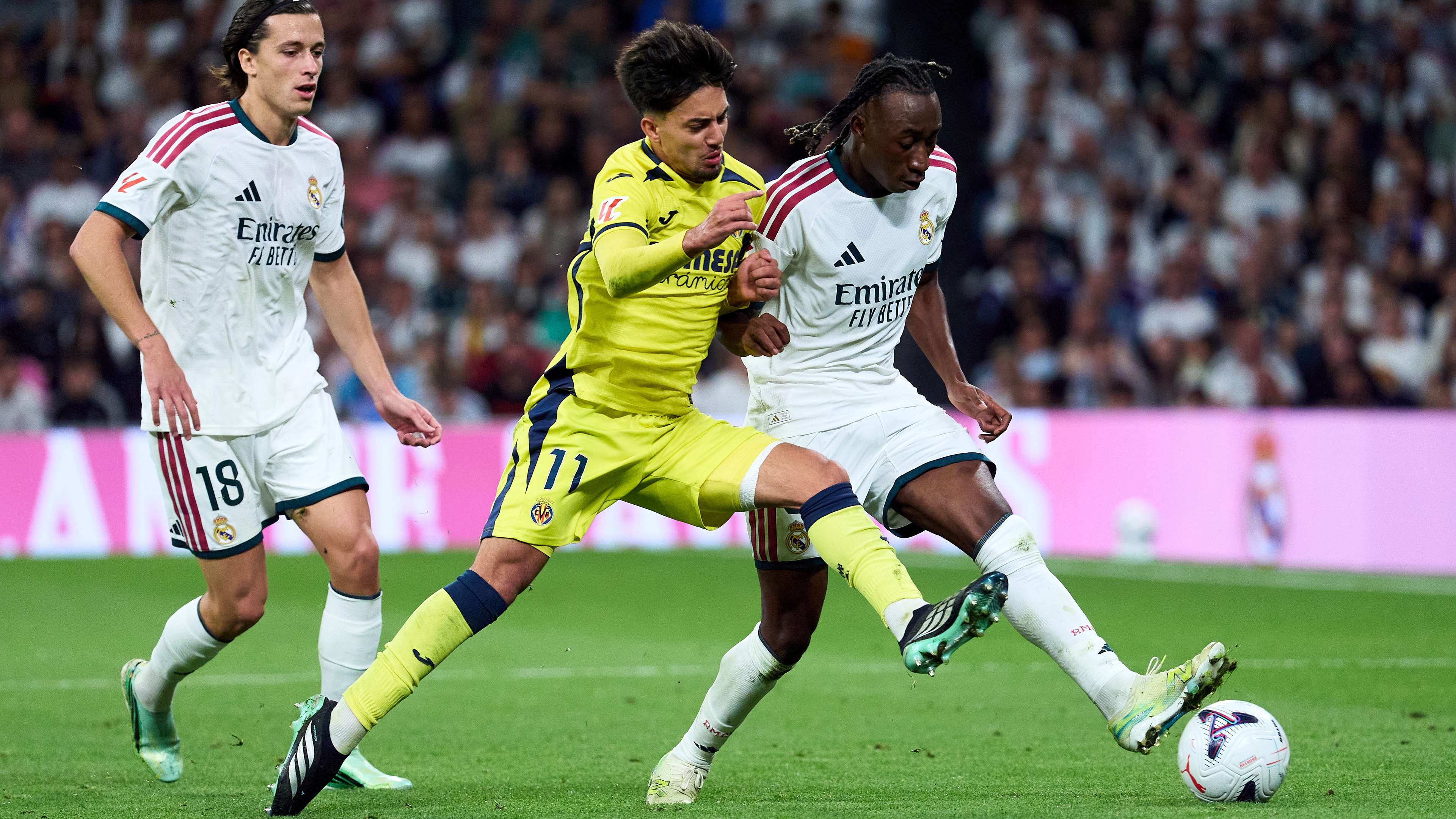
OK Diario linked the lack of Spanish appointments to what it described as a decline in the standard of refereeing in Spain. The report pointed to recent controversy in LaLiga, including incidents surrounding the Madrid derby and the dismissal of Vinícius Júnior during Real Madrid’s match against Villarreal.
Those moments have intensified discussion among fans, clubs and commentators about consistency in Spanish officiating. Disagreement over disciplinary decisions is common across top-level football, but criticism can become particularly loud when decisions involve high-profile teams or players. In such cases, a single call may dominate post-match coverage and shape perceptions of the referee’s performance.
However, there is no confirmed evidence that the LaLiga controversies directly caused UEFA to leave Spanish referees out of this week’s schedule. UEFA has not publicly explained the appointments or connected them to recent domestic incidents. Referee selection can depend on several factors, including performance assessments, availability, competition requirements and the need to distribute appointments across national associations.
That distinction matters. The timing of the decision has encouraged speculation, but without an official statement, any link between domestic criticism and UEFA’s choices remains unverified. The appointments are a development worth watching, rather than proof of a formal sanction against Spanish officials.
A Previous Gap in UEFA Appointments
This is not the first time Spanish referees have been left out of a European round. In January 2026, UEFA appointed no Spanish on-field official for the penultimate matchday of the Champions League or Europa League league phases. That earlier omission also prompted questions about Spain’s standing among Europe’s refereeing teams.
UEFA’s choices changed for the final round. According to the Spanish federation’s official website, Gil Manzano, Sánchez Martínez and Hernández Hernández were each assigned a match. Their appointments included Eintracht Frankfurt against Tottenham, Monaco against Juventus, and Manchester City against Galatasaray.
The sequence suggests that a missed round does not necessarily signal a lasting loss of trust. European appointments can vary from one matchday to another, and a referee’s absence during a particular week may be followed by a return to high-profile duty. Still, repeated gaps are likely to keep attention focused on how Spanish officials are evaluated at international level.
What the Decision Means for Spanish Football
For Spanish referees, working in UEFA competitions offers valuable experience and international visibility. Champions League and Europa League fixtures bring different tactical demands, varied playing styles and intense pressure, making them an important measure of an official’s ability to manage elite football. A week without on-field appointments is not, by itself, a verdict on the quality of an entire refereeing system, but it can add to existing concerns when domestic decisions are already under debate.
For fans looking ahead to this week’s matches, the key point is straightforward: Spanish officials will not be in the middle for any of the 54 fixtures. Spain’s contribution will instead come through video assistance in Feyenoord’s meeting with Como. Whether this is simply a scheduling decision or part of a broader assessment of refereeing performances remains unclear.
Until UEFA offers further explanation, the most cautious prediction is that the situation will be judged over time rather than by one round of appointments. Future selections—especially the return of Spanish referees to Champions League and Europa League matches—may provide a clearer indication of their current standing. For now, the decision has added another talking point to an already heated conversation about refereeing, accountability and consistency in European football.