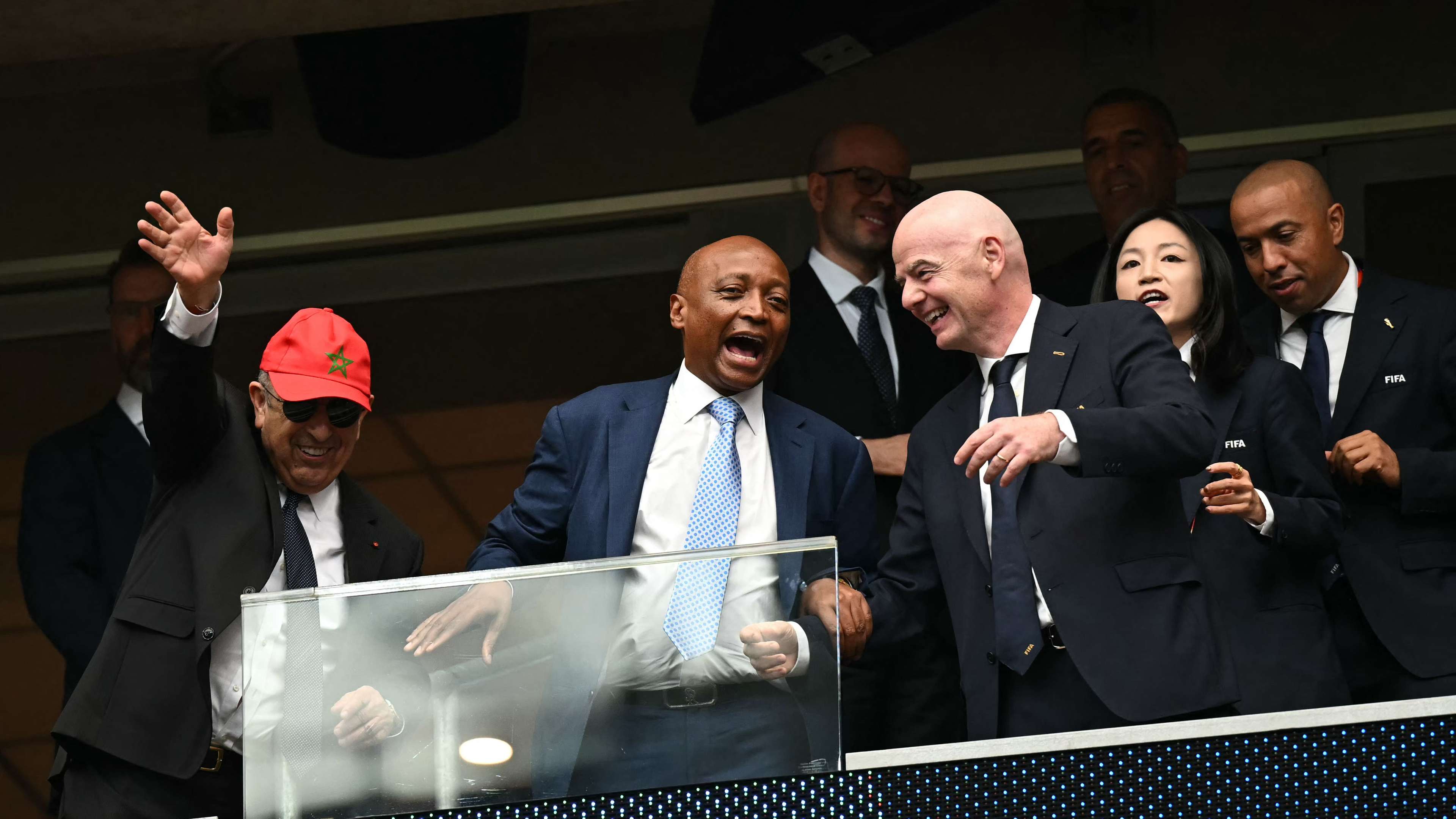

CAF Reconsiders Africa Cup of Nations Schedule as Financial Concerns Grow
The Confederation of African Football (CAF) is reconsidering one of its biggest recent decisions: whether the Africa Cup of Nations (AFCON) should return to a biennial schedule. CAF president Patrice Motsepe says the organisation is examining all available options, less than a year after approving a move to hold the tournament every four years from 2028.
Speaking at the CAF General Assembly in Cape Verde on Friday, Motsepe said discussions had taken place in recent days and that a return to an AFCON every two years was among the possibilities under review. His comments were met with applause, signalling that the issue remains important to football leaders across the continent.
The debate is about more than dates. It touches on tournament revenue, national-team preparation, club commitments, sponsorship and the place of African football in an increasingly crowded international calendar. Any change could affect federations, players, broadcasters and supporters well beyond the tournament itself.
Why CAF Is Reviewing the Four-Year Plan
In December 2025, CAF announced that AFCON would move from its traditional two-year cycle to a four-year schedule beginning in 2028. The stated aim was to align the competition more closely with the international football calendar and reduce clashes with major club fixtures and other national-team tournaments.
That approach reflected a wider challenge facing modern football: international competitions must find room in a calendar already packed with domestic leagues, continental club tournaments and global events. A four-year cycle could make AFCON easier to schedule and potentially help protect players from an excessive workload.
However, the decision also drew strong objections. For many African supporters, AFCON is not simply another tournament; it is a regular celebration of national identity and football culture. Holding it every two years gives more generations of players the chance to compete and creates a dependable rhythm for fans, sponsors and broadcasters.
Critics of the longer interval have also questioned whether fewer tournaments could reduce opportunities for African teams to build momentum. A biennial competition offers frequent high-profile matches, encourages investment in national teams and gives emerging players a regular stage on which to establish themselves.
AFCON’s Financial Stakes
Money is central to the discussion. The Guardian reported last August that CAF could lose around $1 billion after shifting AFCON from a two-year to a four-year cycle. That figure highlights how much the competition contributes through broadcasting rights, sponsorship, ticket sales and commercial partnerships.
AFCON is one of the continent’s most valuable sporting properties. Its matches attract audiences across Africa and around the world, while the tournament gives sponsors a rare opportunity to reach a large, diverse football audience. Fewer editions could mean fewer commercial cycles and less frequent income for CAF and the national associations that rely on football-related revenue.
Yet the financial comparison is not as simple as counting how many tournaments take place. A four-year cycle might allow organisers to build anticipation, secure longer-term partnerships and position each edition as an even bigger global event. The key question is whether higher value per tournament could compensate for the revenue lost by staging AFCON less often.
CAF will also need to consider how any schedule affects its members. Many national federations depend on tournament-related funding to support youth development, coaching, facilities and domestic football. A change that improves the central organisation’s calendar but reduces resources available to national associations could prove difficult to sustain.
Reputation and Tournament Governance Under Scrutiny
The scheduling debate comes as AFCON’s public image faces renewed scrutiny. The final of the most recent edition, between Morocco and Senegal, was followed by controversy and criticism, according to French broadcaster RMC. Such incidents can influence how audiences, commercial partners and international observers view the tournament.
For CAF, protecting AFCON’s reputation is therefore part of the wider challenge. Reliable organisation, clear decision-making and strong matchday management help build confidence in the competition. The calendar question may be drawing headlines, but the tournament’s long-term appeal will also depend on the quality of its administration and the experience offered to teams and supporters.
There is a prediction that the eventual decision will be shaped by a combination of commercial realities and political consensus among CAF’s member associations. A return to a two-year cycle could satisfy those who value frequent competition and recurring revenue. Keeping a four-year schedule, meanwhile, could appeal to those seeking better alignment with the global football calendar. CAF may also explore a compromise, although any alternative would need to be clearly explained and workable for teams and organisers.
What Happens Next for AFCON?
The next Africa Cup of Nations is scheduled to take place from 19 June to 18 July 2027, with Kenya, Uganda and Tanzania set to host the tournament. That edition remains the immediate focus for teams preparing to qualify and for organisers working on venues, travel arrangements and tournament operations.
The future of the 2028 edition is less certain. It had been expected to take place before the move to a four-year cycle, but its host nation or host nations have not yet been decided. CAF’s review of the competition’s frequency could therefore affect both the timing and planning of the event.
For players and coaches, certainty matters. National teams need a stable calendar to plan qualifying campaigns, training camps and squad development. Clubs also need advance notice to manage player availability, while host countries require years of preparation to deliver infrastructure and security for a major international tournament.
CAF has not yet confirmed whether it will formally reverse the four-year decision. Motsepe’s comments indicate that the organisation is open to reconsideration, but the final outcome will depend on further discussions and an assessment of the financial, sporting and logistical consequences.
A Defining Decision for African Football
The AFCON schedule debate captures a broader question about how African football should grow. A more frequent tournament can sustain excitement, create commercial opportunities and preserve a cherished tradition. A longer interval may ease calendar pressure and help each edition command greater attention.
Whichever model CAF chooses, the decision will shape the competition’s future and influence the resources available to football across the continent. Supporters will be watching not only for a final prediction on when AFCON returns, but also for a plan that balances financial sustainability with the tournament’s cultural importance and sporting value.