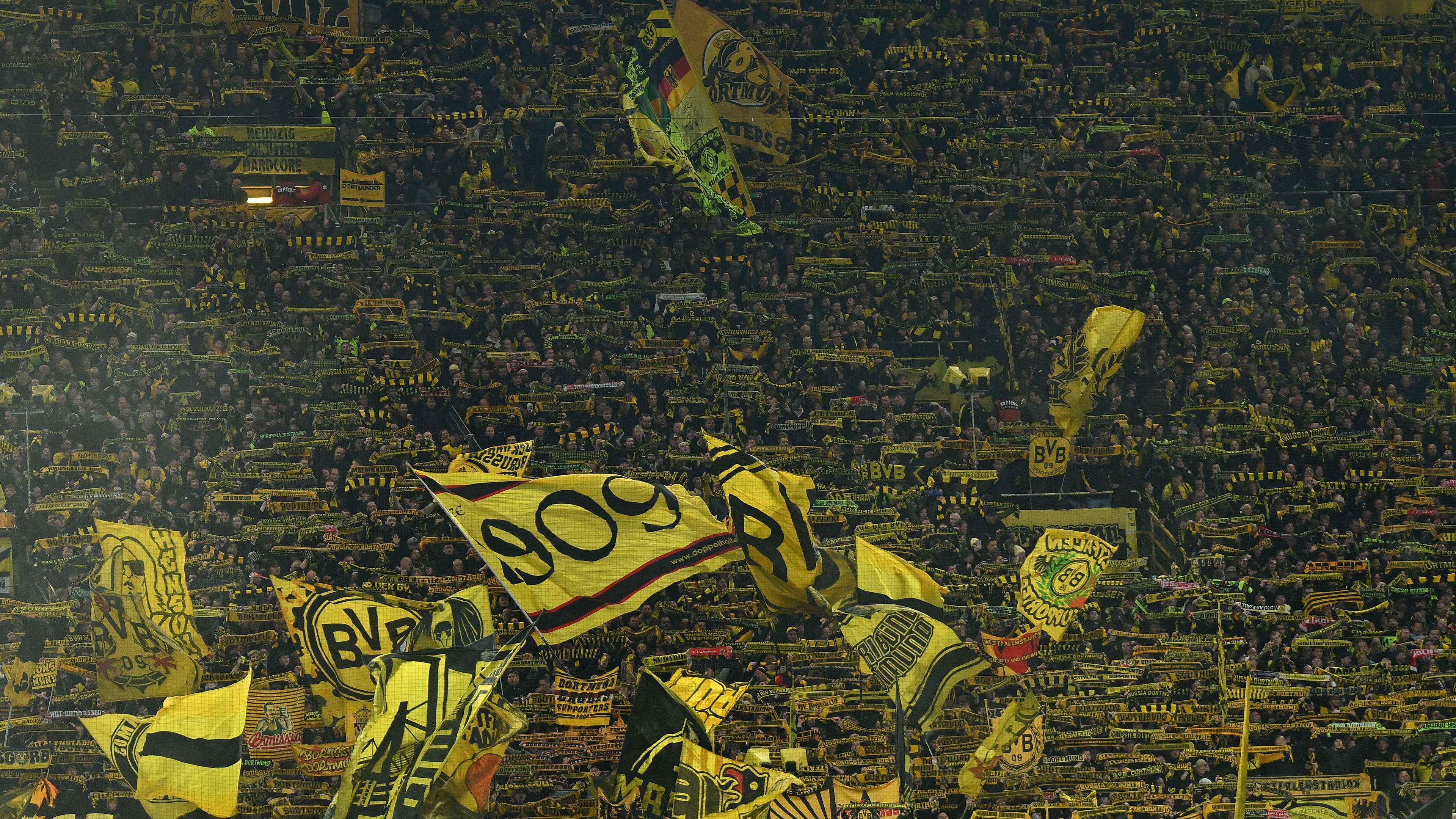

Borussia Dortmund Wants Fans to Put Their Phones Away and Watch the Football
A visit to a football stadium has always promised more than ninety minutes of action. It is the roar before kick-off, the collective gasp when a shot flies toward goal, and the celebration that sweeps through the stands when the net ripples. But as smartphones become part of everyday life, some supporters are experiencing those moments through a screen rather than watching them unfold directly.
That shift has prompted one of Europe’s most recognisable clubs to try something different. Borussia Dortmund is encouraging fans to keep their phones in their pockets during matches, offering rewards to supporters who give their attention to the pitch. The idea is simple: bring the focus back to the football and help restore the shared, in-the-moment atmosphere that makes live sport special.
From the stands to the smartphone screen
Phones have changed the way people follow football. Supporters can film a goal, post a reaction, check statistics, message friends or follow commentary while the match is still being played. Those tools can enrich the experience, especially for fans who want to share their excitement or keep up with developments elsewhere. Yet constant screen time can also pull attention away from the action happening just metres away.
A supporter trying to capture the perfect video may miss the build-up to a chance. Someone checking a notification might look up only after the crowd has already erupted. Even a brief glance away can mean losing the subtle details that make a match compelling: a clever run, a defensive adjustment or the tension spreading through the stadium as the clock runs down.
The issue is not that fans should never take a photograph or share a memorable moment. Rather, the question is whether recording the experience has begun to replace experiencing it. In a stadium, the atmosphere is created collectively, and attention is part of that exchange. When thousands of people are watching through their cameras, the live event can start to feel like a backdrop for online content.
Dortmund’s attempt to revive the live-match experience
Borussia Dortmund’s initiative responds to this concern by giving supporters an incentive to disconnect, at least for a while. Instead of treating phone use only as a problem, the club is making phone-free attention something fans can choose and be rewarded for. The aim is to make looking up feel worthwhile, not to turn the stadium into a place where technology is automatically unwelcome.
Dortmund is particularly well placed to make that appeal. The German club is famous for its passionate support and the powerful atmosphere generated by its home crowd. For many fans, the stadium’s energy is as memorable as the result itself. Encouraging supporters to watch together, rather than through individual screens, aligns with that tradition and highlights the value of being present among fellow fans.
Spanish newspaper AS has drawn attention to the initiative as part of a wider discussion about smartphones, social media and modern football culture. The debate reaches beyond one club: teams, leagues and supporters everywhere are considering how digital habits are changing the way people experience matches.
Why presence matters in football
Football is unpredictable, and that is a major part of its appeal. A match can turn on a deflection, a late substitution, a moment of individual skill or a decision that changes the mood of an entire stadium. Watching live allows supporters to absorb the rhythm of the contest, including the quieter stretches that make a sudden breakthrough feel even more dramatic.
There is also a social dimension. Stadiums bring people together across generations and backgrounds, creating a shared reaction that is difficult to reproduce at home. A chant gathering pace, strangers celebrating side by side, or a crowd collectively urging the team forward are not simply details to record. They are part of the event itself.
For younger fans, the challenge may be especially familiar. Social platforms reward quick posts and striking clips, while live sport asks people to stay attentive for the full match. A phone-free period could therefore offer a different kind of engagement: less emphasis on producing content and more opportunity to notice the game, the crowd and the people around them.
Technology still has a place in the stadium
Encouraging fans to put their phones away does not mean rejecting technology altogether. Mobile devices remain useful for digital tickets, travel information, accessibility services and club updates. Many supporters also rely on them to coordinate with family or friends. A practical approach recognises those needs while inviting fans to limit unnecessary scrolling and filming during play.
Clubs could support that balance by making the choice flexible. For example, supporters might be encouraged to keep phones away during the match but use them at half-time, or to capture a brief keepsake without recording every attack. Clear messaging can also help fans understand that the goal is not to police behaviour, but to protect the quality of the shared experience.
For clubs, the initiative may offer benefits beyond atmosphere. A more engaged crowd can strengthen the emotional connection between supporters and the team, while a distinctive stadium experience can help attract visitors who want something more memorable than watching the game through a screen. Still, success will depend on whether fans see the rewards as appealing and the request as respectful.
What this means for football fans
Dortmund’s phone-free push raises a useful question for anyone attending a match: what do you most want to remember afterward—the video on your camera roll, or the feeling of being there when the decisive moment happened? There is no single answer, and different supporters will make different choices. But the club’s approach invites fans to consider how much of their attention they want to give away.
For those who enjoy analysing fixtures, checking team news or making a football prediction, smartphones can be part of the wider matchday routine. Once the whistle blows, however, the game offers its own unfolding story. Watching closely may reveal tactical changes, shifts in momentum and details that no pre-match prediction can fully capture.
As football continues to adapt to digital life, the challenge is not to choose between technology and tradition. It is to find a balance that lets supporters share the excitement without missing it. Borussia Dortmund’s initiative is a reminder that sometimes the best way to keep a moment is not to record it, but to look up and live it.