
AC Milan Choose Markus Krösche as New Sporting Director
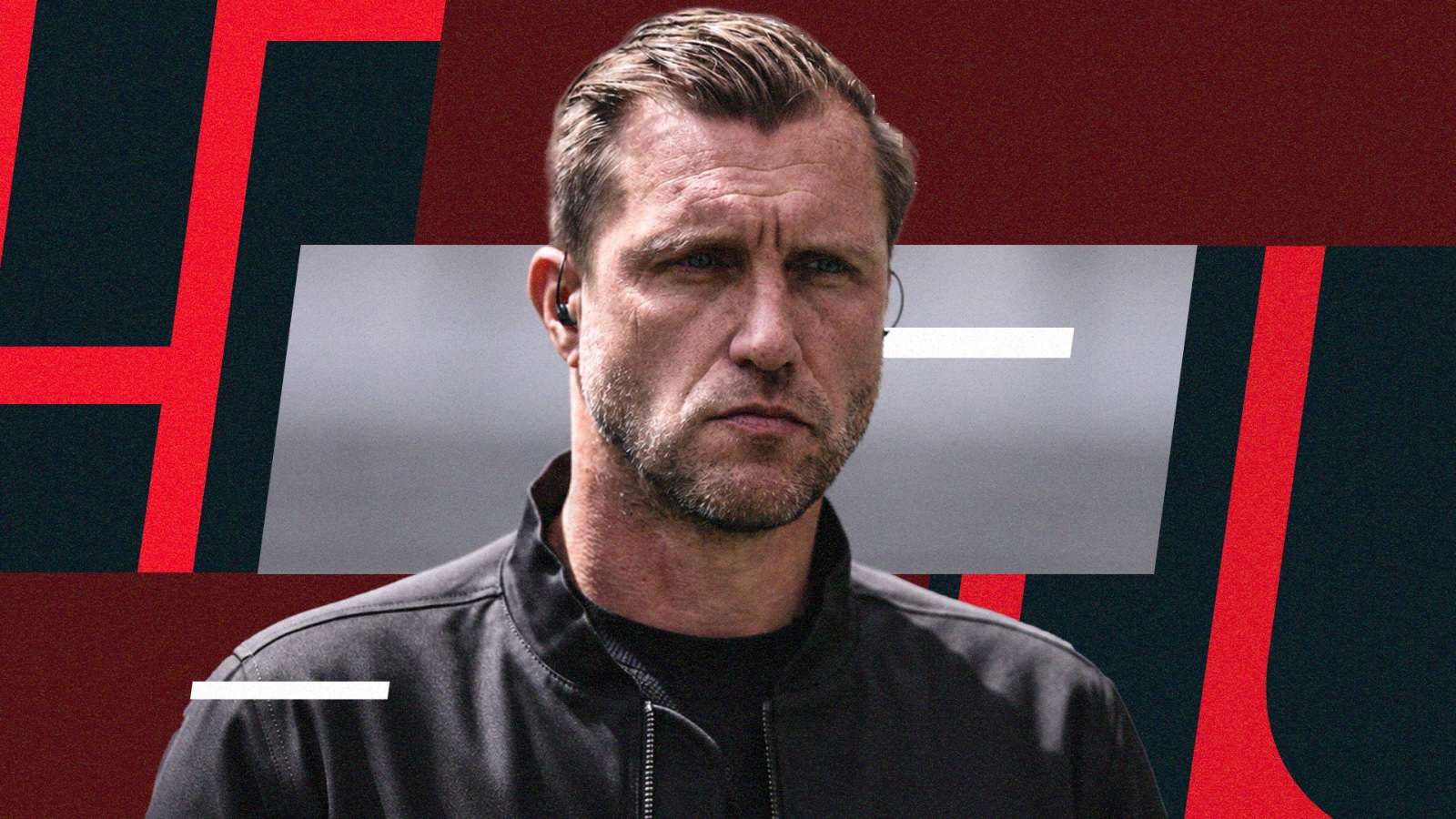
AC Milan’s search for a new sporting director has reached its conclusion. After months of rumours, reported contacts and speculation about the club’s next move, the Rossoneri have selected Markus Krösche to strengthen their executive structure. According to journalist Matteo Moretto, an agreement was finalised today, with Krösche expected to begin work in January.
The appointment gives Milan a significant figure to oversee the sporting side of the club, from squad planning and recruitment to the broader strategy that shapes the first team. Club owner Gerry Cardinale is understood to have chosen Krösche for the role, bringing an end to an extended search that had kept supporters and observers guessing.
A Long Search Ends at San Siro
The sporting director position is among the most influential roles in modern football. While the head coach sets the team’s approach on the pitch, the sporting director helps determine which players arrive, which contracts are renewed and how the squad develops over several seasons. For a club with Milan’s history and ambitions, the appointment is about more than filling a vacancy: it is a decision that can shape the team’s competitive direction.
Reports and speculation had gathered pace in recent weeks as Milan’s search moved closer to a resolution. Krösche’s name emerged amid that discussion, and the reported agreement now points to a clear choice by Cardinale and the club’s leadership. His arrival in January will give Milan time to prepare for the transition and define how his responsibilities fit within the existing management structure.
Why the Appointment Matters
Milan are competing in an era when recruitment decisions can have an immediate impact on results and a lasting effect on a club’s finances. Identifying players who suit the team, negotiating effectively and planning for future needs are all central parts of a sporting director’s work. The role also demands close coordination with the coaching staff, particularly when a club wants its transfer strategy and playing style to move in the same direction.
Krösche’s appointment will therefore be watched closely by supporters looking for signs of a consistent plan. His influence may become visible through the club’s transfer priorities, its approach to contract decisions and the balance between experienced players and emerging talent. Those choices can affect not only the first team but also the pathway for young footballers hoping to establish themselves at senior level.
January Start Offers a Chance to Plan Ahead
With Krösche due to start in January, his arrival could coincide with a useful period for assessing Milan’s needs. The winter transfer window often presents difficult conditions: clubs may be reluctant to sell key players, prices can rise, and opportunities may depend on injuries or unexpected changes elsewhere. A new sporting director will need to decide whether immediate additions are necessary or whether the more important work lies in preparing for the summer.
That distinction will be important. A January signing can address a pressing weakness, but short-term recruitment does not always provide the best value. Milan’s new executive will be expected to weigh the demands of the current campaign against the need to build a squad capable of competing over the longer term. A careful review of the team’s depth, age profile and contract situation could help establish those priorities.
What Milan Supporters Will Be Watching
The first major test may not be a headline-grabbing transfer. Supporters will also look for evidence that the club can make decisions early, communicate a clear sporting vision and avoid building a squad through disconnected short-term fixes. Consistency between recruitment, coaching and player development is often what separates a sustainable project from a series of individual transfer-market gambles.
There will also be interest in how Krösche works with Milan’s existing decision-makers. A sporting director’s effectiveness depends not only on experience but on the authority, resources and collaboration available within the club. The details of his remit have not been outlined in the reported announcement, so the practical division of responsibilities will be one area to follow as his start date approaches.
Early Prediction: The Real Impact Will Take Time
Any prediction about the effect of a new sporting director should be cautious. An appointment alone cannot guarantee improved results, and transfer decisions usually need time to influence the team. The clearest early indicators may be the quality of Milan’s planning, the logic behind recruitment and the club’s ability to keep its sporting objectives aligned across different departments.
If the agreement is completed as reported and Krösche begins in January, Milan will have a new executive in place as the club considers its next steps. For fans, the key question will be whether his arrival leads to a more coherent approach to squad building. The answer is likely to emerge gradually, through future transfer windows and the development of the team rather than through one isolated signing.
A New Chapter for Milan’s Sporting Project
Krösche’s reported appointment closes a lengthy search and opens a new chapter in Milan’s management. His expected January start provides a clear timeframe, while the months ahead should offer more information about his responsibilities and the club’s priorities. For now, the decision signals that Cardinale has settled on the executive he wants to help guide Milan’s sporting operations.
As the Rossoneri pursue their ambitions in domestic and European football, attention will turn from the appointment itself to the strategy that follows. Milan supporters will be looking for thoughtful recruitment, a balanced squad and a long-term plan capable of supporting success on the pitch. The next phase begins in January, but the impact of the choice may be measured over several seasons.