
Michael Bracewell’s Transition to Casual Contract with New Zealand Cricket: Implications for Future Cricket Prediction and Team Strategy
In a strategic move that highlights New Zealand Cricket’s evolving approach to player management and the increasing importance of franchise cricket opportunities, all-rounder Michael Bracewell has announced his transition from a central contract to a casual contract for the 2026-27 season. This decision not only opens new avenues for Bracewell’s cricketing career but also sparks interesting discussions around future cricket prediction, team dynamics, and the evolving landscape of international cricket.
Understanding the Shift: From Central to Casual Contract
Traditionally, central contracts are awarded to players considered vital to the national team, providing them with job security, financial stability, and priority selection in international fixtures. However, in recent years, cricket boards worldwide, including New Zealand Cricket, have adopted more flexible contracting models to accommodate emerging franchise opportunities and individual career aspirations.
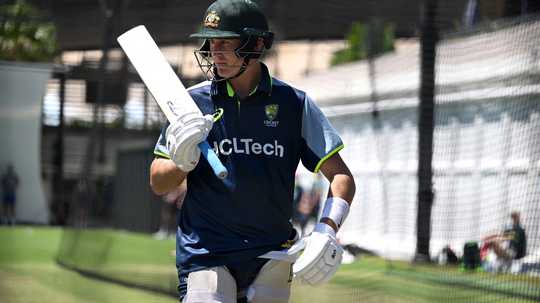
Michael Bracewell, aged 35, is set to join a select group of New Zealand cricketers—Finn Allen, Mark Chapman, Lockie Ferguson, Adam Milne, and Tim Seifert—who are on casual contracts. This arrangement allows Bracewell to remain available for national selection while pursuing lucrative opportunities in franchise-based leagues, particularly the Australian Big Bash League (BBL). Such moves are increasingly common as players seek to balance international commitments with franchise cricket, which offers both financial incentives and a platform to showcase their talent on a global stage.
The Significance of Bracewell’s Move for Cricket Prediction and Team Composition
Bracewell’s transition to a casual contract holds profound implications for the future of cricket prediction models and team composition strategies. As cricket prediction relies heavily on player availability, form, and adaptability, understanding such contractual shifts becomes crucial for analysts and enthusiasts alike.
Bracewell’s ability to remain part of the New Zealand setup despite moving off the central contract list means he will continue to contribute with his versatile all-round skills—batting, bowling, and fielding—especially in white-ball formats. His flexibility is valuable in predicting team strategies for upcoming series, such as the anticipated five-match T20 International series against India. His experience and current form could be decisive factors in forecasting team performance and match outcomes.
Furthermore, Bracewell’s move reflects a broader trend where players are increasingly leveraging franchise cricket to enhance their skills, gain exposure, and increase their marketability, which can influence future cricket prediction models by emphasizing the importance of player versatility and adaptability across different cricketing environments.
New Zealand’s Strategic Player Management and Future Outlook
Bracewell’s decision to accept a casual contract underscores New Zealand Cricket’s progressive approach to player management, balancing national team needs with individual career development. The move also signals a recognition of the shifting landscape of international cricket, where franchise leagues like the BBL, IPL, and others are becoming integral to a player’s growth trajectory.
Replacing Bracewell on the central contract list is Nick Kelly, a promising 33-year-old batter from Northern Districts. Kelly’s elevation to a full contract after 11 years of perseverance and strong domestic performances exemplifies New Zealand’s commitment to nurturing talent from within and adapting to evolving cricket prediction insights.
Spotlight on Nick Kelly: The Rising Star in New Zealand Cricket
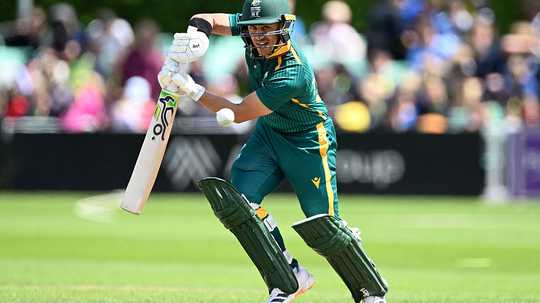
Nick Kelly’s journey to international cricket is a testament to perseverance and dedication. Making his debut in March 2025, Kelly has quickly established himself as a dependable middle-order batsman in limited-overs formats. With eight ODIs and seven T20Is to his name, Kelly has already demonstrated his ability to perform under pressure, notably leading New Zealand in two T20Is against Bangladesh earlier this year in the absence of injured captain Tom Latham.
His recent stint with Leicestershire, where he amassed an impressive 950 runs across formats, has further cemented his reputation as a consistent performer. Kelly’s recent performances include scoring his sixth List A century in the One Day Cup final against Middlesex, showcasing his capacity to handle high-pressure situations—a vital trait for future cricket prediction models that prioritize experience and mental resilience.
Expert Insights: Why Kelly’s Inclusion Matters
Rob Walter, New Zealand’s head coach and former Otago coach, has been vocal about Kelly’s potential. He emphasizes that Kelly’s domestic cricket success and leadership qualities make him a valuable addition to the national setup. Walter notes, “Nick’s consistent performances in domestic cricket over several seasons have earned him this first contract, and his experience under pressure will be a significant asset for upcoming white-ball series.”
Kelly’s recent performances, including multiple fifties in his last four ODIs, suggest he’s ready to take on more responsibility at the international level. His fielding skills, often regarded as some of the best in the country, add further depth to the squad—a crucial factor in predicting the success of New Zealand in upcoming cricket tournaments.
The Broader Context: Impact on Cricket Prediction and Future Series
The strategic move to casual contracts by players like Bracewell reflects an evolving paradigm in cricket, where flexibility and franchise opportunities are increasingly influencing team composition and performance forecasts. This shift necessitates a nuanced approach to cricket prediction, considering not only current form but also players’ adaptability, exposure to different playing conditions, and their potential for growth.
As New Zealand prepares for high-stakes series against formidable opponents like India, understanding the nuances behind player contracts and their career trajectories becomes vital for accurate cricket prediction. Analysts are now factoring in the impact of franchise cricket, player versatility, and emerging talents like Kelly to make more informed forecasts about team performance and tournament outcomes.
Looking Ahead: The Future of New Zealand Cricket and the Role of Franchise Leagues
The inclusion of players on casual contracts signifies a broader shift in international cricket, where balancing national duties with franchise commitments is becoming the norm. This approach benefits players’ development and the overall competitiveness of teams, as they bring diverse experiences and skills into the mix.
For fans and cricket prediction enthusiasts, these developments mean keeping a close eye on contract announcements, player performances across domestic and franchise leagues, and emerging talents. Such insights will be crucial in predicting the outcomes of future cricket series, especially in white-ball formats that are increasingly popular among global audiences.
Final Thoughts: Embracing Change in Cricket Strategy and Prediction
The evolving landscape of cricket, exemplified by Michael Bracewell’s move to a casual contract and Nick Kelly’s rise through domestic ranks, underscores the importance of adaptability and strategic foresight. As cricket prediction models become more sophisticated, incorporating factors such as player flexibility, franchise experience, and mental resilience will be essential for accurate forecasts.
With New Zealand’s cricketing future looking bright, and talented players like Bracewell and Kelly ready to make their mark, the upcoming series against India and beyond promise to be thrilling. Fans, analysts, and enthusiasts alike will benefit from understanding these strategic shifts, which are shaping the next era of international cricket prediction and team success.