
Ralf Fährmann Questions Jonas Urbig’s Readiness to Become Bayern Munich’s No. 1
Bayern Munich’s long-term goalkeeping plans have become a talking point as Manuel Neuer approaches the later stages of his career. Former Bundesliga goalkeeper Ralf Fährmann believes Jonas Urbig has considerable potential, but doubts the young German is ready to take on the pressure of being the club’s undisputed first choice. His prediction: Bayern may enter the transfer market for an established, high-profile goalkeeper rather than rely solely on Urbig.
The debate has intensified after Neuer missed Bayern’s recent matches with a foot problem. Urbig stepped in for the 3-3 draw against Viking Stavanger and the emphatic 6-1 win over RB Leipzig, prompting discussion about whether he could be promoted sooner than expected. With Neuer’s future beyond next summer still a major question, Bayern’s decision could shape one of the most important positions in the squad.
Fährmann: Bayern’s No. 1 needs more than technical ability
Speaking on Sport1-Doppelpass, Fährmann described himself as “very sceptical” about Urbig immediately succeeding Neuer. The former Schalke goalkeeper praised the 23-year-old’s ability and composure, but argued that Bayern’s demands extend beyond making saves and following a goalkeeper’s routine.
At a club competing for the Bundesliga title and the Champions League, Fährmann said, a number one also needs authority, experience and a commanding presence. Those qualities matter particularly during difficult spells, when a goalkeeper must organise the defence and remain calm under intense scrutiny. Urbig may be talented, Fährmann’s point was, but Bayern is an unusually demanding place to learn the job.
Urbig joined Bayern from 1. FC Köln in early 2025 and is contracted until 2029. He has already gained valuable experience, including appearances in major competitions, but remains relatively early in his senior career. His recent opportunities have offered a glimpse of his potential while also placing the wider succession question in the spotlight.
Why Bayern’s past goalkeeper transitions matter
To explain his caution, Fährmann pointed to previous Bayern goalkeepers who struggled to turn promising careers into lasting success as the club’s first choice. Michael Rensing spent years learning behind Oliver Kahn and was positioned as Kahn’s successor, but did not establish himself long term and left in 2010.
Thomas Kraft also had a brief opportunity to take the gloves. He displaced Hans-Jörg Butt in early 2011, only for Bayern to sign Manuel Neuer from Schalke that summer. Kraft moved to Hertha BSC, while Neuer became the club’s defining goalkeeper for more than a decade.
Fährmann also cited Yann Sommer, who joined Bayern in 2023 during Neuer’s recovery from injury. Sommer arrived with extensive experience, yet still faced criticism during his short spell in Munich before moving to Inter Milan. He now plays for Club Brugge. For Fährmann, these examples underline how difficult it can be to meet Bayern’s expectations, even for goalkeepers with established reputations.
He rejected a direct comparison between Urbig and Neuer’s arrival. Neuer had already played extensively for Schalke, featured in the Champions League and represented Germany. He also arrived with a strong standing at his previous club. Fährmann believes Urbig has not yet built the same record or presence.
Effenberg backs Urbig’s development at Bayern
Former Bayern captain Stefan Effenberg disagreed with the suggestion that the club must sign an expensive replacement. He argued that Urbig has already played Bundesliga football and appeared in Champions League knockout matches, giving him a stronger foundation than Fährmann’s assessment implies.
Effenberg also highlighted the value of learning alongside Neuer. Training with an experienced, world-class goalkeeper can help Urbig develop his decision-making, positioning and communication. In Effenberg’s view, Neuer’s willingness to support a younger teammate is an important reason Bayern can trust the succession process.
The contrasting opinions leave Bayern with a genuine strategic choice. A major transfer could provide immediate security, but it might limit Urbig’s playing time and complicate his development. Giving him the role, meanwhile, would demonstrate confidence in the club’s investment while accepting the risks that come with a young goalkeeper taking over at one of Europe’s most scrutinised teams.
Neuer’s fitness could influence the timing
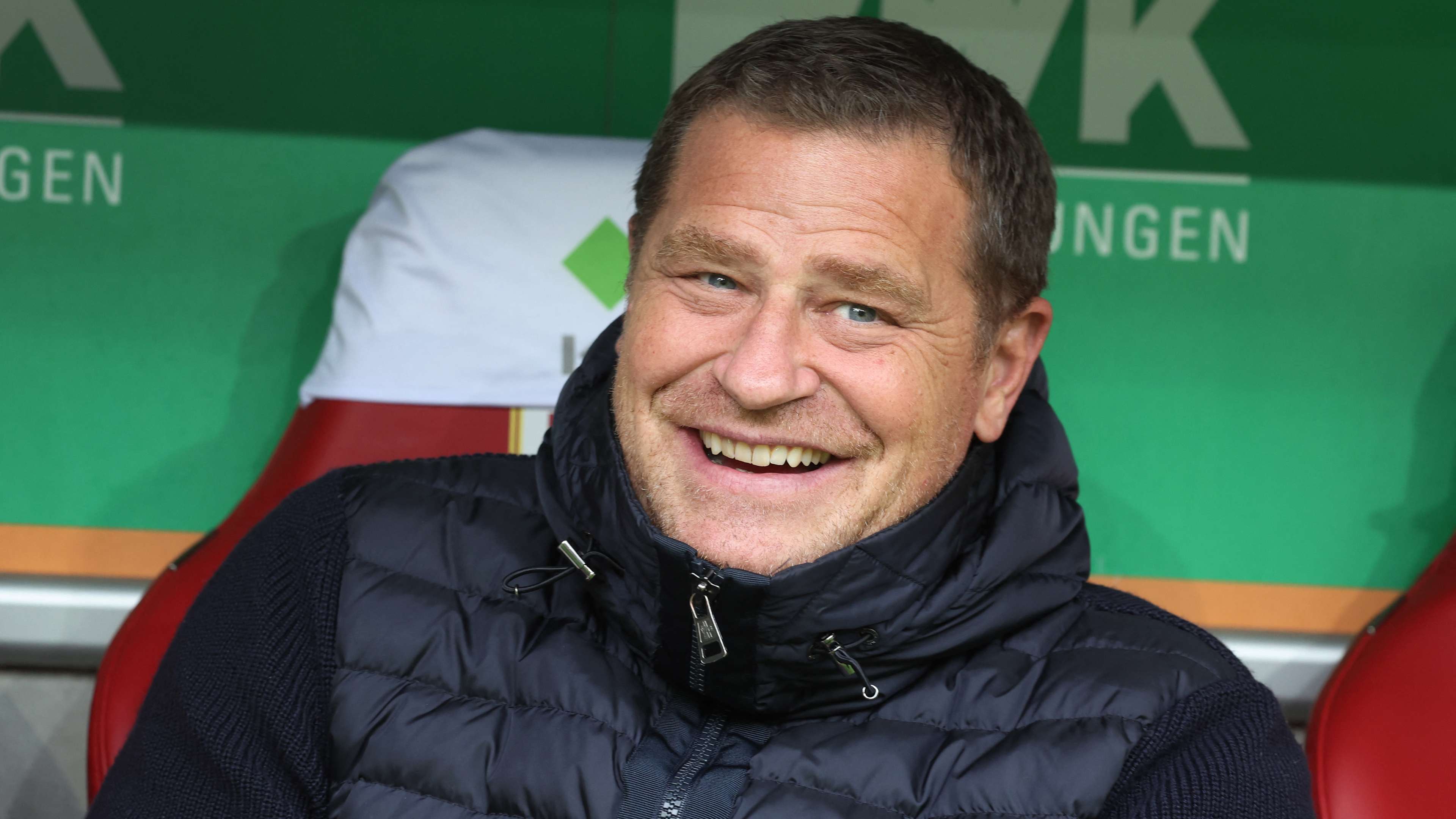
Neuer missed the Viking Stavanger and RB Leipzig fixtures after fluid developed in his foot. Bayern sporting director Max Eberl said the club would assess whether the 40-year-old could return for the Champions League meeting with Arsenal. Reports from Germany suggested there was optimism, but Bayern had not publicly confirmed his availability.
If Neuer is ruled out again, Urbig is expected to deputise. That would give him another high-profile opportunity, although a short-term stand-in role is not the same as being named the permanent No. 1. Bayern will need to weigh Neuer’s fitness, Urbig’s progress and the availability of potential transfer targets before making a long-term decision.
Boey remains a possible Bayern transfer departure
Goalkeeping is not the only squad issue under discussion. Right-back Sacha Boey returned to action against RB Leipzig after spending the second half of last season on loan at Galatasaray. Bayern had expected the Frenchman to leave permanently in the summer, but no transfer was completed.
Eberl praised Boey’s professionalism, saying the defender continued to work hard in training despite knowing his position in the squad was difficult. Coach Vincent Kompany brought him on late against Leipzig after Min-jae Kim experienced discomfort. According to reports, Bayern’s broader plan has not changed: the club could still seek a sale during the winter transfer window. Boey’s contract runs until 2028.
Bayern’s upcoming fixtures
Bayern’s schedule offers little room for a quiet transition. The club is due to face Arsenal in the Champions League, travel to SC Freiburg in the Bundesliga, meet 1. FC Magdeburg in the DFB Cup and host Borussia Dortmund before another European trip to Atlético Madrid. Each match will add pressure to the goalkeeping conversation, particularly if Neuer’s foot problem persists.
For now, Bayern have not confirmed a major goalkeeper transfer plan. Fährmann’s prediction of an expensive signing has been challenged by Effenberg’s confidence in Urbig, leaving the succession debate unresolved. Urbig’s recent performances and continued development could strengthen his case, but the club’s final decision will depend on more than potential: Bayern must decide how much responsibility he is ready to carry—and whether Neuer can remain available long enough to guide him through the transition.